
Maluku: Unveiling the Enigmatic Spice Islands of Indonesia
Maluku, Indonesia

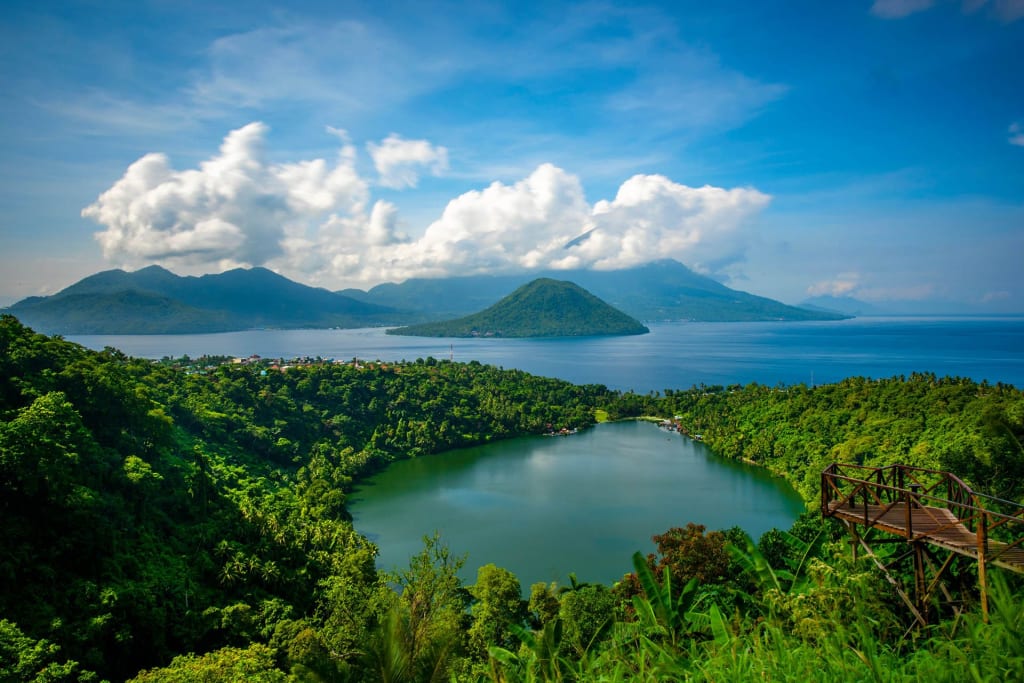
Often whispered about in hushed tones as the legendary "Spice Islands," Maluku (or the Moluccas) in eastern Indonesia offers an unparalleled adventure for those seeking pristine natural beauty, a rich historical tapestry, and a vibrant cultural experience far from the well-trodden tourist paths. Once the global epicenter of the spice trade, this archipelago holds a captivating allure that continues to mesmerize travelers.
A Journey Through History: The Legacy of Spice
For centuries, Maluku was the sole source of highly prized nutmeg and cloves, commodities that fueled empires and sparked fierce colonial rivalries. The Portuguese, Dutch, and English all vied for control over these lucrative islands, leaving behind a fascinating legacy of forts and historical sites.
Start your historical exploration in Banda Neira, the main island of the tiny Banda archipelago. Here, the impressive Fort Belgica, a formidable star-shaped fortress built by the Dutch East India Company (VOC) in the 17th century, stands as a stark reminder of the brutal spice monopoly. You can wander through its ancient walls, imagining the strategic battles fought for control over nutmeg production. Other significant forts like Fort Nassau and Fort Duurstede on Saparua Island also tell tales of a bygone era.
In North Maluku, Ternate and Tidore were once powerful sultanates that played crucial roles in the spice trade. Ternate, a bustling island city beneath an active volcano, offers the Sultan of Ternate Kedaton Museum, housing ancient relics. Tidore, its quieter sister island, provides a serene contrast with its peaceful villages and historic sites.
Underwater Wonders: A Diver's Paradise
Beyond its compelling history, Maluku truly shines for its spectacular marine biodiversity. The untouched coral reefs and crystal-clear waters make it a diver's and snorkeler's dream, often compared to the famed Raja Ampat, but with fewer crowds.
The Banda Islands are particularly renowned for their world-class diving and snorkeling spots. Here, you can swim over ancient lava flows, surrounded by hundreds of fish species, groupers, turtles, and even sharks. The intricate coral gardens and macro life, including delicate mandarinfish, offer endless opportunities for underwater photography.
For a unique experience, consider muck diving in areas like Ambon, known for its diverse macro life, where you can spot bizarre and beautiful creatures like frogfish, colorful sea slugs, and miniature octopi on the sandy seabed. Halmahera Island also boasts incredible dive sites, with untouched coral, mangrove forests, and the chance to encounter manta rays at Manta Bay.
Pristine Beaches and Natural Escapes
Maluku is dotted with powdery white-sand beaches and secluded coves that promise tranquility and breathtaking scenery.
Ora Beach on Seram Island is often touted as Maluku's answer to the Maldives or Bora Bora, with its eco-resort built on stilts over the water, offering a peaceful haven amidst lush mountains. Nearby, the dramatic Hatupia Cliffs provide stunning views and excellent snorkeling opportunities in their clear waters.
In the Southeast Maluku district, the Kai Islands are emerging as a destination for their exquisite beaches like Pasir Panjang (Long Sand Beach), stretching for kilometers with its impossibly soft white sand. Pantai Ngurtavur, with its unique sandbar extending far into the sea, offers a truly isolated tropical paradise.
Culinary Journey: Flavors of the Spice Islands
Maluku's cuisine is a direct reflection of its heritage, brimming with fresh seafood and, of course, the aromatic spices that shaped its destiny.
A must-try is Papeda, a staple sago-based porridge, typically served with a flavorful yellow spiced fish soup (ikan kuah kuning). It's a unique gelatinous dish that reflects the region's reliance on sago palms. You'll also find exquisite Ikan Bakar (grilled fish), marinated with local spices and served with a zesty Sambal Colo-Colo, a fiery chili sauce often made with shallots, tomatoes, and basil. Don't miss Gohu Ikan, a local delicacy of raw tuna cubes marinated in lime juice and seasoned with shallots, cayenne pepper, and basil – a Malukan ceviche!
Planning Your Maluku Adventure
- Best Time to Visit: The dry season, generally from April to September, offers the most pleasant weather for exploring and diving. However, Maluku's climate can vary between islands, so it's wise to check specific forecasts.
- Getting There: The main gateway to Maluku is Ambon (AMQ), with flights from major Indonesian cities like Jakarta and Makassar. From Ambon, you can take domestic flights or ferries to other islands like the Bandas, Ternate, or Kei Islands.
- Getting Around: Inter-island travel usually involves ferries or smaller boats. Within islands, local transport like ojek (motorbike taxis) or private car rentals are available.
- Language: Bahasa Indonesia is universally spoken. While English might be understood in tourist-centric accommodations, learning a few basic Indonesian phrases will greatly enhance your experience.
Maluku is more than just a destination; it's an immersive experience that transports you back in time and connects you with nature in its purest form. If you're an adventurous traveler looking to uncover hidden gems, delve into a fascinating history, and swim in some of the most pristine waters on Earth, the Spice Islands of Maluku are calling your name.
About the Creator
Keep reading
More stories from Restu Marlani and writers in Journal and other communities.
Medan: Your Gateway to North Sumatra's Charms
Medan, the capital of North Sumatra, is often seen by travelers as merely a transit point to the highlands of Berastagi or the serene Lake Toba. But to overlook Medan itself is to miss out on a vibrant city brimming with history, culinary delights, and a unique cultural tapestry. As a bustling hub, Medan offers an authentic Indonesian urban experience, distinct from the popular tourist trails.
By Restu Marlani7 months ago in Journal
Piergiorgio Corallo: when rock turns gentle
Piergiorgio Corallo is not an artist who rushes to occupy space. Not because he lacks things to say, but because he seems careful about when and how to say them. In a time when visibility is often confused with relevance, Corallo moves differently, almost laterally. In via di sviluppo is an album that exposes uncertainty, internal tension, and emotional imbalance, yet its author keeps a measured public presence, almost deliberately restrained. It’s a position that feels increasingly rare, especially within independent music scenes shaped by constant exposure.
By The Global Verge3 days ago in Journal



Comments
There are no comments for this story
Be the first to respond and start the conversation.