
Malaysia Logistics Market Overview and Forecast 2025-2033 | Trends, Drivers, and Regional Insights
The Malaysia logistics market reached USD 23.82 Billion in 2024 and expects the market to reach USD 33.87 Billion by 2033, growing at a CAGR of 3.99% during 2025-2033.

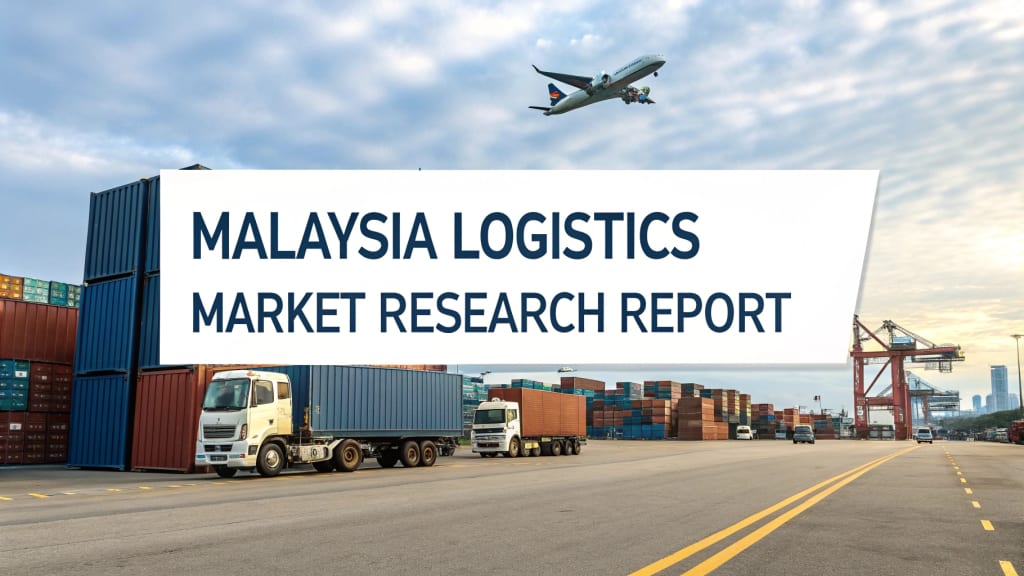
Industry Overview
The logistics industry in Malaysia plays a vital role in facilitating trade, supporting manufacturing, and ensuring seamless movement of goods across domestic and international supply chains. Encompassing services such as transportation, warehousing, freight forwarding, and value-added logistics, the sector has become an essential backbone for economic development. Malaysia’s strategic geographical location at the heart of Southeast Asia, coupled with well-developed infrastructure and growing digital capabilities, makes it a regional logistics hub. As global supply chains evolve and e-commerce demand surges, the Malaysian logistics industry is rapidly adapting through automation, multimodal connectivity, and integrated logistics solutions.
Market Size & Growth
The Malaysia logistics market reached USD 23.82 Billion in 2024 and expects the market to reach USD 33.87 Billion by 2033, growing at a CAGR of 3.99% during 2025-2033. This steady expansion is driven by rising domestic consumption, booming cross-border trade, robust e-commerce growth, and supportive government initiatives aimed at improving logistics infrastructure and digital integration.
Get Your Free "Malaysia logistics market" Sample PDF Report Now!
Key Trends in the Malaysia Logistics Market
The Malaysian logistics landscape is undergoing significant transformation, driven by both global shifts and localized innovation. Key trends highlight a move toward greater digitization, sustainability, and customized services.
● E-commerce and Last-Mile Delivery Expansion
The explosive growth of e-commerce in Malaysia is reshaping logistics priorities, with a strong focus on last-mile delivery efficiency. Online retail platforms, fueled by increasing internet penetration and mobile commerce, are demanding faster, more reliable, and cost-effective fulfillment solutions. As a result, logistics providers are investing in urban micro-fulfillment centers, AI-enabled route optimization, and gig economy-based delivery models. This trend is particularly evident in urban centers like Kuala Lumpur and Penang, where consumer expectations around same-day or next-day delivery are accelerating innovation in last-mile operations.
● Integrated Digital Logistics Solutions
Malaysia is witnessing a shift toward integrated, technology-driven logistics platforms that combine transport management, warehouse control, and supply chain visibility in a single system. Cloud computing, real-time tracking, and IoT-enabled devices are improving operational transparency and decision-making. Many logistics companies are offering digital dashboards to customers, enabling them to monitor shipments in real-time, automate invoicing, and reduce paperwork. This digital transformation is enhancing efficiency, reducing costs, and enabling greater flexibility for clients.
● Multimodal Connectivity and Infrastructure Development
The Malaysian government continues to prioritize the expansion and modernization of multimodal transport networks. Investments in ports, railways, highways, and free trade zones under initiatives like the National Transport Policy and the East Coast Rail Link (ECRL) are improving connectivity between inland manufacturing zones and international gateways. Multimodal logistics hubs and seamless port-to-door integration are enhancing Malaysia’s attractiveness as a regional transit and re-export hub.
● Green Logistics and Sustainability
Sustainability is emerging as a crucial concern among Malaysian logistics providers, driven by environmental regulations and growing corporate social responsibility mandates. Companies are adopting eco-friendly vehicles, route optimization to reduce carbon emissions, and energy-efficient warehousing systems. Many are also pursuing green certifications and exploring carbon offset programs. Sustainable logistics practices are becoming a differentiating factor for gaining trust among environmentally conscious clients.
Growth Drivers
Several key factors are propelling the growth of the Malaysia logistics market, ranging from trade flows and infrastructure investments to digital adoption and consumer behavior shifts.
● Strategic Geographical Location
Malaysia’s central location in Southeast Asia, with access to major maritime trade routes via the Strait of Malacca, positions it as a natural logistics hub. The country serves as a gateway for regional trade among ASEAN nations, China, India, and beyond, attracting foreign investment in transport and warehousing infrastructure.
● Government Support and Policy Reforms
Public sector support through the Logistics and Trade Facilitation Masterplan, National eCommerce Strategic Roadmap, and the Digital Free Trade Zone (DFTZ) is instrumental in boosting logistics capabilities. These policies aim to reduce logistics costs, improve customs clearance processes, promote digitalization, and enhance regional competitiveness.
● Rise in Cross-Border and Halal Logistics
Malaysia’s role in global halal trade is creating unique opportunities in halal-certified logistics. The growth in demand for compliant supply chains – particularly in food, pharmaceuticals, and cosmetics – is encouraging logistics providers to develop halal hubs, specialized cold chains, and certification services. Simultaneously, the ASEAN Free Trade Area (AFTA) is spurring cross-border trade, pushing the demand for regional logistics providers that offer fast and compliant customs and delivery services.
● Growing Demand for Cold Chain Logistics
Rising demand for temperature-sensitive goods – such as fresh produce, frozen foods, vaccines, and biologics – is fueling investments in cold chain logistics infrastructure. Advanced refrigerated storage, real-time monitoring, and thermal packaging solutions are becoming essential components of the logistics value chain, particularly in healthcare, agriculture, and F&B sectors.
Get Instant Access to the Full Report with a Special Discount!
Segment Analysis
The Malaysia logistics market can be segmented by function and mode of transport, each playing a key role in the supply chain.
By Function:
Transportation: This is the largest function segment, encompassing road, sea, air, and rail freight. Road transport dominates domestic deliveries, while sea and air freight support international trade.
Warehousing: Warehousing is experiencing rapid growth due to the expansion of e-commerce and 3PL services. Modern warehousing solutions, including automated storage and retrieval systems (ASRS), are increasingly in demand.
Value-Added Services: Services such as inventory management, packaging, labelling, and reverse logistics are growing as clients seek end-to-end logistics support to reduce overhead and enhance supply chain agility.
By Mode of Transport:
Roadways: Dominant in last-mile delivery and domestic distribution, supported by Malaysia’s extensive highway network.
Seaways: Crucial for international trade, with Port Klang and Port of Tanjung Pelepas (PTP) serving as major transshipment hubs.
Airways: Preferred for high-value, urgent, or time-sensitive cargo, facilitated by KLIA and Penang International Airport.
Railways: Set to gain momentum with the completion of ECRL and growing intermodal logistics integration.
Regional Analysis
Logistics demand varies significantly across Malaysia, driven by industrial activity, port access, and urban development.
Central Region (Selangor, Kuala Lumpur):
As Malaysia’s commercial and industrial heart, the Central Region commands the largest logistics demand. Port Klang, the country’s busiest port, and Kuala Lumpur’s proximity to major expressways make it the epicenter of warehousing and transportation services.
Northern Region (Penang, Perak, Kedah):
Home to key manufacturing and electronics hubs, the Northern Region is an important logistics zone. Penang Port and Penang International Airport support robust export and import activity, while industrial parks in Bayan Lepas and Kulim contribute to strong intra-regional logistics demand.
Southern Region (Johor):
Johor, particularly near Iskandar Malaysia and the Port of Tanjung Pelepas, benefits from cross-border logistics with Singapore. It is a growing logistics corridor for manufacturing and re-export activities.
East Coast and East Malaysia:
While less developed logistically, regions like Sabah and Sarawak are seeing increased logistics investment to support resource extraction, agriculture, and retail delivery. The completion of infrastructure projects like the Pan Borneo Highway will improve connectivity.
Future Opportunities
The Malaysia logistics market presents robust future prospects as it evolves into a high-tech, sustainable, and integrated ecosystem.
● Expansion of Smart Warehousing
AI-powered robotics, warehouse management systems (WMS), and big data analytics are set to transform warehousing efficiency. Automated systems will reduce errors, lower operational costs, and support faster fulfillment.
● Growth of 4PL and End-to-End Logistics
With supply chains becoming more complex, companies are increasingly turning to fourth-party logistics (4PL) providers who manage entire logistics operations, integrate IT systems, and coordinate multiple 3PLs on behalf of clients. This model is expected to gain ground, especially among MNCs and large retailers.
● Investment in Logistics Startups and Tech Platforms
The rise of logistics tech startups and digital freight platforms is bringing innovation to route planning, fleet management, and freight matching. Venture capital interest is rising, creating fertile ground for disruptive business models and smarter supply chains.
● Integration with Regional Trade Corridors
As initiatives like the Regional Comprehensive Economic Partnership (RCEP) and the ASEAN Smart Logistics Network gain traction, Malaysia’s logistics players can expand services regionally, becoming integral to Asia-Pacific trade flows.
Conclusion
The Malaysia logistics market is on a dynamic growth path, fueled by digital transformation, infrastructure modernization, and strategic government support. As demand rises across e-commerce, cold chain, and cross-border trade, logistics providers must invest in automation, multimodal transport, and customer-centric solutions. With its advantageous location and growing regional integration, Malaysia is poised to strengthen its role as a premier logistics hub in Southeast Asia, offering substantial opportunities for both domestic and global logistics stakeholders.
FAQs
Q1: What factors are driving the growth of the Malaysia logistics market?
A1: Key growth drivers include rising e-commerce demand, government infrastructure investments, cross-border trade expansion, and increasing adoption of digital logistics technologies.
Q2: How is e-commerce impacting the logistics sector in Malaysia?
A2: E-commerce is significantly reshaping logistics by driving demand for faster last-mile delivery, smart warehousing, and integrated fulfillment solutions, especially in urban regions.
Q3: What are the fastest-growing segments in the Malaysian logistics industry?
A3: Cold chain logistics, value-added warehousing services, and 4PL solutions are among the fastest-growing segments, driven by demand for efficiency and specialized handling.
Q4: Which regions in Malaysia are the most important for logistics activity?
A4: The Central Region (Kuala Lumpur and Selangor), Northern Region (Penang), and Southern Region (Johor) are the key logistics hubs, supported by port access, industrial zones, and infrastructure development.
About the Creator
Sam walter
As a Market Researcher at IMARC Services Private Limited, I lead strategic initiatives to deliver in-depth market analysis and insights.
Keep reading
More stories from Sam walter and writers in Journal and other communities.
Indonesia Footwear Market Outlook: Emerging Trends, Segment Analysis, and Future Opportunities
Industry Overview The footwear industry in Indonesia encompasses a wide array of products, including formal shoes, casual shoes, athletic footwear, sandals, slippers, and specialty shoes. As one of the largest producers and exporters of footwear globally, Indonesia’s domestic market is simultaneously experiencing rapid growth due to rising disposable incomes, evolving fashion trends, and increasing urbanization. While the country’s export potential remains strong, the growing appetite for branded and fashionable footwear among Indonesia’s young population is transforming the local landscape, encouraging both international and local brands to expand their presence.
By Sam walter6 months ago in Journal
The goals I did not achieve
Every writing goal I made for the year is a wash. It has been this way for a while, but I think it's important to be open about my failures and the reality of how life can get in the way. This is especially true considering the several times I have posted on Vocal about my writing goals, how I was changing my approach, and where I was hoping to be for the upcoming year. I will probably do that again in a couple months, but for now, it is time to acknowledge where I am today.
By Kay Husnick24 days ago in Journal
Diary of Anony Elle
If you are reading this the battle has begun. I have packed a small suitcase, a small duffle bag, and a bookbag to begin my travels from Chicago to the Orlando area. I am looking for my babies and I will go to the highest mountain and the DEPTHS OF HELL to find them!
By Anony Elle7 days ago in Journal



Comments
There are no comments for this story
Be the first to respond and start the conversation.