
Indonesia Footwear Market Outlook: Emerging Trends, Segment Analysis, and Future Opportunities
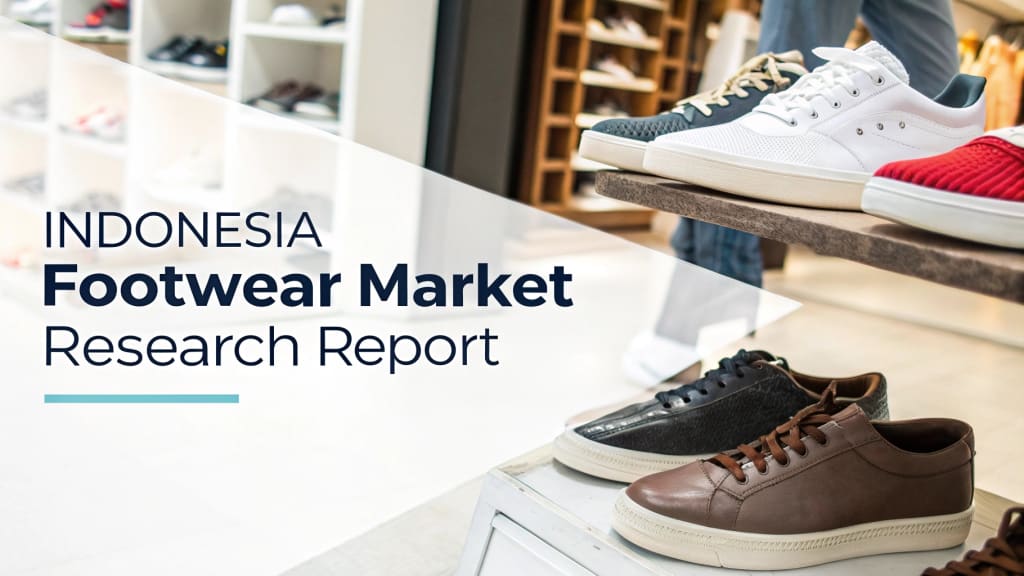
The Indonesia footwear market size reached USD 3.02 Billion in 2024 and expects the market to reach USD 4.59 Billion by 2033, growing at a CAGR of 4.26% during 2025-2033.

Industry Overview
The footwear industry in Indonesia encompasses a wide array of products, including formal shoes, casual shoes, athletic footwear, sandals, slippers, and specialty shoes. As one of the largest producers and exporters of footwear globally, Indonesia’s domestic market is simultaneously experiencing rapid growth due to rising disposable incomes, evolving fashion trends, and increasing urbanization. While the country’s export potential remains strong, the growing appetite for branded and fashionable footwear among Indonesia’s young population is transforming the local landscape, encouraging both international and local brands to expand their presence.
Market Size & Growth
The Indonesia footwear market size reached USD 3.02 Billion in 2024 and expects the market to reach USD 4.59 Billion by 2033, growing at a CAGR of 4.26% during 2025-2033. This growth reflects the dual momentum of a booming youth-driven consumer base and strategic government support for domestic manufacturing and retail expansion.
Get Your Free "Indonesia footwear market" Sample PDF Report Now
Key Trends in the Indonesia Footwear Market
The footwear market in Indonesia is evolving rapidly, shaped by the convergence of digitalization, lifestyle changes, and growing brand awareness. These trends are not only redefining consumer behavior but also compelling manufacturers and retailers to innovate and adapt.
● Rise of E-Commerce and Omnichannel Retailing
Digital transformation is a key catalyst in reshaping Indonesia’s footwear landscape. The increasing penetration of smartphones, coupled with the rise of platforms like Tokopedia, Shopee, and Lazada, has enabled brands to reach consumers across urban and rural areas alike. Footwear companies are investing in omnichannel strategies, seamlessly integrating online and offline experiences. Features such as virtual try-ons, flexible returns, and customer reviews enhance trust and purchasing confidence, particularly among Gen Z and millennials.
● Sustainable and Ethical Fashion
Sustainability is emerging as a major theme in Indonesia’s footwear market, especially among eco-conscious urban consumers. Brands are incorporating environmentally friendly materials, such as recycled rubber and plant-based leathers, into their product lines. Ethical production processes and transparency in sourcing are also gaining traction, influencing brand perception and purchase intent. Local startups and artisanal brands are capitalizing on this trend by offering handcrafted, low-carbon alternatives that resonate with green values.
● Athleisure and Performance Footwear Boom
The line between athletic and casual footwear continues to blur, driven by the rising popularity of health-conscious lifestyles, home fitness, and streetwear culture. Sneakers and performance shoes have become everyday essentials, not just functional items. Global brands are responding with specialized collections for Indonesian consumers, while local brands are gaining ground with affordable, stylish, and durable offerings.
● Influence of Pop Culture and Social Media
Pop culture, K-pop, and influencer-driven marketing have an outsized impact on footwear preferences in Indonesia. Social media platforms like Instagram, TikTok, and YouTube are key to product discovery and brand engagement. Limited-edition drops, influencer collaborations, and fashion-forward aesthetics play a significant role in driving sales, particularly among younger demographics.
Get Instant Access to the Full Report with a Special Discount!
Growth Drivers
Several structural and socio-economic factors are fueling the robust growth of Indonesia’s footwear industry, from shifting consumer priorities to enhanced production capabilities.
● Young and Urbanizing Population
Indonesia has one of the youngest populations in Southeast Asia, with a median age under 30. Urbanization and a growing middle class are increasing the demand for stylish, functional, and branded footwear. Consumers are no longer prioritizing price alone—they seek identity, comfort, and lifestyle alignment in their purchases.
● Government Initiatives and Domestic Manufacturing
Government support through initiatives like “Making Indonesia 4.0” is strengthening the domestic manufacturing base, encouraging investments in automation, local sourcing, and export competitiveness. The availability of skilled labor and raw materials makes Indonesia an attractive hub for footwear production, both for local consumption and international markets.
● Expanding Retail Infrastructure
Rapid development of malls, specialty footwear stores, and multi-brand retail chains is enhancing the physical retail ecosystem. Brands are also leveraging pop-up stores and concept outlets to provide immersive customer experiences and real-time feedback on product demand.
● International Brand Entry and Collaborations
Indonesia’s expanding consumer base is attracting global footwear giants who are entering through direct investment, local partnerships, or exclusive distribution agreements. These collaborations bring not only capital but also innovation and competitive dynamics that uplift overall industry standards.
Segment Analysis
The Indonesia footwear market can be segmented by product type, end user, material, and distribution channel, each reflecting varied consumer needs and industry trends.
By Product Type:
Non-Athletic Footwear: Includes formal, casual, sandals, and fashion shoes. This segment dominates due to its broad applicability across daily and professional settings.
Athletic Footwear: Growing rapidly as Indonesians embrace active lifestyles and global sneaker culture.
By End User:
Men: Demand is driven by workwear and increasingly by athleisure.
Women: Leading segment in terms of style diversity, fashion focus, and disposable income allocation to footwear.
Children: A steady-growing segment, supported by parental spending and school-related purchases.
By Material:
Rubber and Synthetic: Dominant due to affordability and suitability for tropical weather.
Leather: Valued for durability and premium positioning but slightly limited by pricing and climate suitability.
Others: Includes eco-friendly and textile-based materials gaining popularity.
By Distribution Channel:
Online Stores: Fastest-growing segment, especially in tier 2 and 3 cities where physical access is limited.
Footwear Retailers & Brand Outlets: Mainstay of urban markets; trusted by consumers for fit and service.
Supermarkets and Hypermarkets: Carry budget and basic footwear lines.
Department Stores and Fashion Chains: Feature mid-range and premium collections in metropolitan areas.
Regional Analysis
The footwear market in Indonesia exhibits regional variations based on urbanization, income levels, and infrastructure development.
Java (Jakarta, Surabaya, Bandung): The most prominent regional market due to its dense population, high purchasing power, and retail concentration. Jakarta is the industry’s epicenter.
Sumatra: A growing region for both manufacturing and consumption, supported by improved logistics.
Bali and Nusa Tenggara: Tourism-driven demand for casual and beachwear footwear, especially among international and domestic travelers.
Eastern Indonesia (Sulawesi, Papua): Emerging markets where online retail is playing a pivotal role in market penetration due to lower offline retail presence.
Future Opportunities
Despite existing market maturity in major urban centers, numerous untapped opportunities remain in Indonesia’s footwear sector.
● Customization and Tech Integration
As consumers seek personalization, there’s a growing demand for custom sizing, 3D printed soles, and AR-based virtual try-ons. Brands investing in such innovations can differentiate themselves and boost customer loyalty.
● Local Brand Development
There’s strong potential for homegrown brands that combine traditional Indonesian design elements with contemporary fashion. Government support and rising national pride could further accelerate this trend.
● Export Expansion
With increasing global demand for cost-effective and quality footwear, Indonesia is well-positioned to expand exports. Strategic trade partnerships and logistics infrastructure upgrades will be key enablers.
● Gender-Neutral and Inclusive Designs
Expanding product lines to include unisex and inclusive footwear can attract broader market segments and align with global values of diversity and representation.
Conclusion
The Indonesia footwear market is stepping into a phase of dynamic transformation, driven by digitization, evolving lifestyles, and an increasingly fashion-savvy population. As both a major global supplier and a fast-growing domestic consumer base, the country presents immense opportunities for innovation, investment, and brand-building. With strategic alignment to sustainability, technology, and inclusivity, the market is poised for robust, long-term growth.
FAQs
Q1: What are the key factors driving the growth of the Indonesia footwear market?
A1: The market is driven by rising disposable incomes, a young urban population, digital retail expansion, and supportive government initiatives to boost domestic manufacturing and exports.
Q2: Which product types are witnessing the highest demand in Indonesia’s footwear market?
A2: Non-athletic footwear continues to dominate due to its everyday use, but athletic footwear is growing rapidly due to the health and fitness trend and influence of global sneaker culture.
Q3: How important is e-commerce for the footwear industry in Indonesia?
A3: E-commerce is extremely important, offering convenience, broader product choices, and access to consumers in remote or underserved regions. It is the fastest-growing distribution channel.
Q4: What are some emerging trends in the Indonesia footwear market?
A4: Key trends include sustainable and eco-friendly materials, athleisure fashion, influencer-led marketing, and tech-driven features like virtual try-ons and online customization.
Q5: Which regions are leading the market demand for footwear in Indonesia?
A5: Java, especially Jakarta, leads the market due to its dense population and high purchasing power. Sumatra and Bali are also important markets, with Bali driven by tourism and Sumatra by economic development.
About the Creator
Sam walter
As a Market Researcher at IMARC Services Private Limited, I lead strategic initiatives to deliver in-depth market analysis and insights.
Keep reading
More stories from Sam walter and writers in Journal and other communities.
Malaysia Medical Tourism Market Size, Growth & Future Outlook (2025–2033)
Industry Overview The Malaysia medical tourism market represents a dynamic and fast-evolving sector that offers a blend of high-quality healthcare services and competitive pricing, attracting patients from across Asia and beyond. Malaysia has gained global recognition for its world-class medical infrastructure, internationally accredited hospitals, and skilled healthcare professionals. The country provides a wide spectrum of medical services, including cosmetic surgery, orthopedics, cardiology, oncology, fertility treatments, and wellness therapies. Coupled with English-speaking staff, seamless travel access, and favorable government policies, Malaysia is positioned as a top destination for affordable, high-quality healthcare experiences.
By Sam walter8 months ago in Journal
Author’s Advice
If you would’ve asked me 20 years ago did I know I’d become a writer and an author, I would’ve said “nope, ain’t happening”. As fate would have it I did become an author and I can honestly say I’m loving it so far. It really does feel good to be a writer. I’ve learned a lot on this journey and I feel like with even me being as new to this world as I am, there’s some wisdom I need to share with every other aspiring author.
By Joe Patterson5 days ago in Journal
10 Things You Should Do Now to Prepare for an AI-Dominated Future
Artificial intelligence is no longer something that exists in science fiction. It writes articles, composes music, diagnoses medical conditions, generates art, and can even run businesses. Some economists believe AI could transform the economy faster than the internet did.
By Navigating the World4 days ago in Journal




Comments
There are no comments for this story
Be the first to respond and start the conversation.