
Make Your Building Breathe
A Philadelphia Guide to Reliable Heat and Hot Water

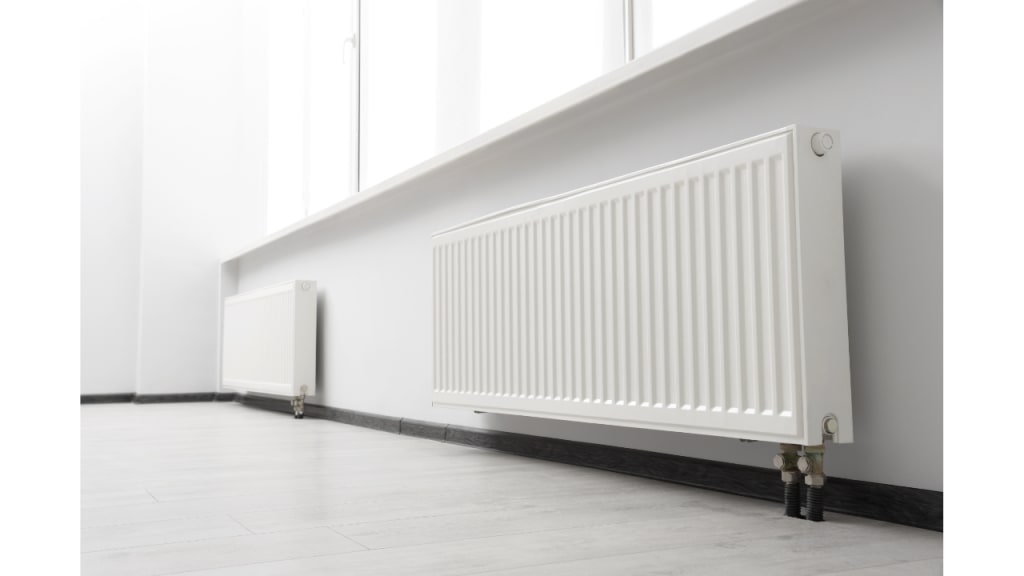
If you’ve ever had a winter morning derailed by a lukewarm shower or a Monday rush interrupted by a rooftop unit that won’t start, you know comfort isn’t a luxury—it’s the backbone of a smooth day. In Philadelphia, the swing from humid summers to brittle winter cold exposes weaknesses fast. Older brick buildings, eclectic renovations, and rooftop equipment that lives through everything from pollen to nor’easters make maintenance more than a checklist. This guide lays out a simple, repeatable plan to keep heat steady, water hot, and costs predictable—without turning building operations into a second job.
Why Philly’s Building Stock Is Tough on HVAC and Hot Water
Local climate and construction do more than set the mood; they define your system’s workload. Summer humidity loads evaporator coils with biofilm and dust. Winter freeze–thaw cycles reveal weak ignitors, sluggish inducer motors, and clogged condensate traps. Historic rowhomes often have long supply runs and undersized returns, starving airflow upstairs in January and roasting bedrooms in August. Mixed-use buildings inherit ductwork and controls layered across decades, each upgrade solving yesterday’s problem while creating today’s balancing act.
Water heaters tell a similar story. City water chemistry leaves mineral scale in tanks and heat exchangers, blunting performance long before failure. Tanks rumble as sediment traps steam; tankless units start to “cold sandwich” showers and throw error codes when exchangers are coated and inlet screens clog. If your plan is “wait until it breaks,” you’ll spend more, sweat more, and fix less.
The Cost of Doing Nothing
Short cycling, drifting setpoints, and surprise shutdowns aren’t quirks; they’re expensive symptoms. A partially plugged filter pushes a furnace into a too-high temperature rise and repeated limit trips. A dirty outdoor coil forces a heat pump to defrost constantly. A clogged condensate line can halt a furnace on the coldest night. On the hot water side, scale forces burners or elements to run longer for the same result, spiking gas or electric bills and shortening equipment life.
There’s a better way to spend the same dollars: stabilize performance, document baseline measurements, and decide from a position of comfort—not crisis. If you’re already seeing uneven rooms, longer run times, or error codes, schedule a service visit now, not in the season’s first cold snap. For hot water, inconsistent temperature or slow delivery is your cue to book tankless water heater repair in Philadelphia before a hectic week turns into a cold shower roulette.
A Practical Playbook That Works Year-Round
Start with an assessment that goes beyond “it turns on.” Ask for airflow readings (static pressure), coil cleanliness, refrigerant measurements where applicable, and temperature rise on furnaces. Clear drains, clean flame sensors and burners, replace tired capacitors and belts, and set blower speeds to match duct capacity. Document filter sizes and change intervals; put them on your calendar like meetings.
For water heaters, descaling a tankless unit and cleaning inlet screens, burners, and flame sensors often restores like-new behavior. Verify gas pressure and venting. For tanks, flush sediment, inspect or replace the anode, and test the relief valve. If expansion control is missing in a system with a pressure-reducing valve, add an expansion tank and stop the “mystery drip” that ruins pans and floors.
Home Hot Water Confidence Without Drama
Residential comfort hinges on predictability. If your family overlaps two showers with a dishwasher or laundry, sizing and installation details matter. A tankless water heater eliminates standby loss and “we ran out” moments—so long as its gallons per minute rating at your needed temperature rise actually matches your peak demand. Gas-fired models need adequate line capacity while other appliances run; sometimes that means upsizing a short section. Vent routing, condensate neutralization for condensing models, and recirculation (either a dedicated return line or a far-fixture crossover) keep waits short and temperatures steady.
If you’re not ready to replace, don’t skip maintenance. Scale is the enemy of tight temperature control, and descaling once a year in the city can turn a temperamental unit into a boringly dependable one. When symptoms show up—temperature swings at low flows, ignition stumbles, error codes—prompt Philadelphia tankless water heater repair is the calmer, cheaper path.
What Businesses and Landlords Should Expect from a Solid Plan
For cafés, salons, retail, and offices, HVAC is part of your brand whether you want it to be or not. Rooftop units need seasonal cleaning of coils, burners, and economizers, along with belt and filter schedules that match reality, not wishful thinking. Ventilation should track occupancy; fresh air at 10 a.m. on a quiet Wednesday can be lower than Friday rush levels without sacrificing indoor air quality. Chronic hot conference rooms or cold open-plan zones usually trace to airflow, diffuser choice, and balancing—not raw capacity.
Landlords and property managers win with documentation. An inventory of equipment, filters, and belts; baseline measurements like static pressure and temperature rise; and a seasonal schedule keep you out of emergency mode. When replacement is on the table, commissioning—verifying airflow, charge, temperature rise, and control sequences before handoff—is the line between “new equipment” and “new equipment that works right.” If your operations depend on quick response and accountability, partner with a commercial HVAC contractor in Philadelphia who measures first, explains in plain language, and stands behind a written scope.
Repair or Replace? A Calm Decision Framework
Most systems tell you the answer if you know where to look. If issues are confined to wear parts (ignitors, sensors, capacitors), and mid-life equipment otherwise performs well, repair and cleaning are smart money. If breakdowns pile up, if major components fail (compressor, heat exchanger), or if energy use climbs without a utility rate increase, consider replacement. Renovations that changed loads—finished basements, new additions—can push a once-adequate system out of its depth, too.
Gather a short dossier: age and model numbers, recent repairs, baseline measurements, and a list of spaces that struggle at what times. With that in hand, compare the cost of another season of repairs against the value of a right-sized replacement. Schedule upgrades for shoulder seasons—faster installs, lower stress, better pricing leverage.
Safety That’s Not Optional
Fuel-burning appliances in older buildings need eyes on them. Flues must be intact and unobstructed; combustion air provisions must be adequate; CO detectors must be on each floor and near sleeping areas. Furnaces should show proper draft and temperature rise; water heater relief valves need a safe discharge path; and expansion control protects tanks and fixtures. These checks prevent the rare but catastrophic problems that undo years of good planning.
Where This Is Headed (And How to Start)
Expect incremental gains that matter in the real world: quieter equipment, better dehumidification in summer, tighter control in shoulder seasons, and more attention to ventilation that balances air quality with cost. Refrigerants and codes will keep evolving in the background while the fundamentals—clean heat transfer, correct airflow, safe venting—continue to deliver most of the benefit.
If your system is already hinting at trouble—uneven rooms, new noises, a bill that made you blink—fix the baseline first. A thorough tune-up and diagnostic stabilize comfort and buy you time. If you run a business or manage a property, get on a maintenance schedule with a Philadelphia commercial HVAC contractor and turn surprises into scheduled service. And if hot water is the pain point at home, book a tankless water heater repair in Philadelphia before a hectic week turns into a cold start.
Comfort should be boring, bills should be predictable, and your building should breathe without constant supervision. With a measured plan and the right partners, you can get there—and stay there.
About the Creator
Keep reading
More stories from The Weekend Project and writers in Journal and other communities.
Heat For The Home Office
Vancouver’s work‑from‑home scene is here to stay, and so are the comfort complaints: cold feet, noisy fans on video calls, rooms that go from stuffy to chilly between meetings, and afternoon slumps when the damp just won’t quit. Your workspace doesn’t need to feel like a greenhouse or a cave. With a few targeted moves—and, if needed, a small upgrade—you can turn a fussy room into a reliable office.
By The Weekend Project5 months ago in Journal
Early March 2026: 4 Goals Accomplished
It's early March and I've now accomplished my 4th writing goal for the year of 2026. Before diving into the behind-the-scenes of it... why not tell you up front what that accomplishment was? I was published in a 2nd publication for this year. Published in Helix Literary Magazine out of Central Connecticut State University. You can read it for free right now!
By Stephen Kramer Avitabile4 days ago in Writers




Comments
There are no comments for this story
Be the first to respond and start the conversation.