
Heat For The Home Office
Quiet, Focused Comfort For Vancouver Workdays


Vancouver’s work‑from‑home scene is here to stay, and so are the comfort complaints: cold feet, noisy fans on video calls, rooms that go from stuffy to chilly between meetings, and afternoon slumps when the damp just won’t quit. Your workspace doesn’t need to feel like a greenhouse or a cave. With a few targeted moves—and, if needed, a small upgrade—you can turn a fussy room into a reliable office.
Why Offices At Home Feel Different
A bedroom‑turned‑office isn’t a conference room. It’s often at the end of a duct run, over a carport, or in a converted attic. That means long supply lines that lose heat, weak returns that don’t pull stale air out, or radiant chill from uninsulated exterior walls. Meanwhile, oversized whole‑home systems kick on loudly, overshoot, and shut off—perfect for distracting your train of thought and giving you cool hands on the keyboard.
Quick Wins Before You Spend
Calibrate your thermostat schedule to match your work hours. Longer, gentler cycles keep the room steady and keep the fan quieter. If the office has a single supply register, add a subtle diffuser that spreads air across the room rather than a narrow blast at your knees.
Fix the envelope. A drafty window, a bare exterior wall, or a gap under the door can undo a lot of your heating efficiency. Weatherstrip the door, add a rug over cold floors, and consider a roll of peel‑and‑stick insulation film for older windows during the wettest months. These low‑cost steps change how heat feels at your desk.
Dehumidify smartly. If the room feels cool at 21°C, it might be due to high humidity. A small, efficient dehumidifier set to a reasonable target can make the space feel warmer without raising the thermostat. Don’t overdo it—Vancouver isn’t a desert, and too‑dry air isn’t comfortable either.
When The System Needs A Hand
If the office never matches the rest of the home, a small ductless mini‑split dedicated to the room is a quiet and efficient solution. It gives you precise control without cranking the whole house. Modern heads are whisper‑quiet—great for video calls—and offer gentle, steady heat that keeps your focus intact.
If adding equipment isn’t in the budget, a technician can often tune the room with duct adjustments. Slightly opening a balancing damper, adding a small return, or insulating a long supply run can transform comfort. If your system has grown louder or struggles to hold setpoint, book a heating repair in Vancouver and ask for airflow measurement, coil cleaning, and a static pressure check. Fixing the root causes of noise and drift beats living with a noisy soundtrack to your meetings.
Planning An Upgrade The Right Way
If you’re replacing your main system, treat heating installation as a fit job. Request a load calculation that takes into account your office’s unique characteristics—such as exposure, insulation, and hours of use. Variable-speed heat pumps excel in work-from-home schedules because they operate quietly throughout the day, maintaining a consistent temperature and humidity level. Duct tweaks during the install—bigger returns where needed, sealed and insulated runs—make the home office behave like the rest of the house.
Don’t Forget Air Quality
Long hours inside mean you notice stuffy air faster. If your home is tight, planned ventilation helps—an HRV or ERV exchanges stale indoor air with fresh outdoor air while conserving heat. At a minimum, run bath fans on timers after showers and crack a window briefly between calls when the weather allows. A MERV 11–13 filter (if your system can handle it) keeps dust down and keeps your mind clearer.
Noise: The Hidden Productivity Killer
Aim for a sound backdrop under 40 dB in your office. If the air handler is located on the other side of a thin wall, consider adding a duct liner or vibration isolation. A ductless head’s “quiet” mode can drop to library levels while still warming the space. When you compare options, ask for sound ratings at typical, not maximum, output levels.
What You’ll Notice When It’s Right
Calls become the only thing you hear. Your hands stay warm, your brain stays sharper, and the room feels like it disappears beneath your work. You’ll nudge the thermostat less because the office doesn’t see-saw. And if you’ve added a small dedicated unit, you can turn it off at day’s end and stop conditioning a rarely used room after hours.
Next Steps
Tackle the low‑cost fixes first, then bring in help if the room still fights you. A targeted visit for heating repair in Vancouver, which measures airflow and pressure and cleans coils, can restore quiet performance. If it’s time to invest, plan your heating installation with your workday in mind—variable speed, smart zoning, or a small ductless head are the go‑to tools. The goal is simple: a room that supports your best work every single day.
About the Creator
Keep reading
More stories from The Weekend Project and writers in Journal and other communities.
Boiler Safety Regulations
When it comes to the comfort and warmth of your home, few things are as vital as a properly functioning boiler. But beyond the immediate comfort, there is a more critical aspect to consider: safety. The regulations governing boiler installation, maintenance, and repair have been put in place to prevent catastrophic failures, carbon monoxide leaks, and other hazards. Yet, as technology advances and home construction methods evolve, a pertinent question arises: Are the current boiler safety regulations keeping pace, or are they outdated for today’s homes? For residents in major metropolitan areas, ensuring your system is up to code is paramount, and a reliable boiler repair in Philadelphia is often the first step to peace of mind.
By The Weekend Project6 months ago in Journal
Time for China to Move From ‘Product Export’ to ‘System Export’ in Aviation Arms Trade: NPC Deputy
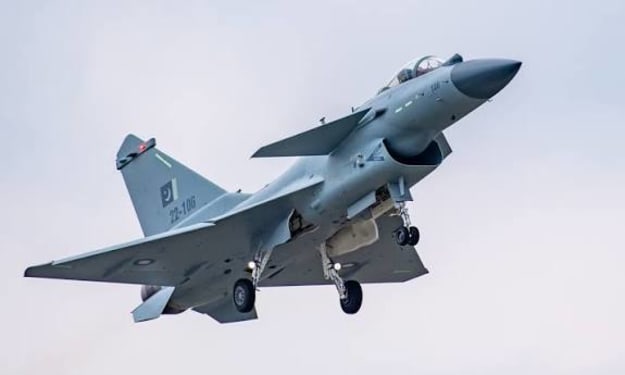
China is increasingly pushing for a strategic shift in its defence industry — moving beyond simply exporting military products to becoming a global exporter of fully integrated defence systems. That was the message delivered this week by NPC Deputy Zhang Wei, a member of the National People’s Congress, during a high‑profile defence industry forum in Beijing. Zhang’s comments underscore China’s ambitions to compete more directly with the United States and other major arms exporters in the global aviation and military hardware market. “The era in which we are content to sell standalone products — fighters, missiles, radars — must give way to a pursuit of complete systems that integrate across air, space, and cyberspace,” Zhang told delegates. “This is not just an industrial upgrade, but a strategic imperative if China is to deepen partnerships with foreign militaries and contribute to international security.” From “Product” to “System” Export For decades, Chinese defence exports have primarily consisted of “products”: individual platforms such as aircraft, helicopters, surface‑to‑air missiles, and naval vessels. Many of these offerings — notably the Chengdu J‑10, Hongdu L‑15, and various drone types — have found buyers in Africa, Southeast Asia, and the Middle East, particularly among countries seeking more affordable alternatives to Western hardware. However, the global arms trade has increasingly shifted toward integrated systems — packages that include not just the hardware itself but command‑and‑control infrastructure, logistics support, training, and ongoing upgrades. Western defence firms, particularly those in the United States and Europe, now sell such systems to allied militaries, bolstered by long‑term service contracts and interoperability with existing Western military networks. Zhang emphasised that China must position itself to offer not just platforms, but “complete solutions” for prospective buyers. “Our emphasis must move from what the hardware can do on its own to what it can achieve in the context of a broader defence ecosystem,” he said, echoing similar calls from senior equipment designers and People’s Liberation Army (PLA) strategists. Strategic Rationale and Global Context China’s defence industry has made impressive strides in recent decades. Its jets, UAVs, and missiles now rival many Western designs on performance metrics, and Beijing has steadily improved its ability to produce advanced microelectronics, sensors, and propulsion systems. Yet its share of the international arms market remains significantly smaller than that of the United States Department of Defense and European exporters such as France’s Dassault Aviation and the United Kingdom’s BAE Systems. According to SIPRI arms transfer data, China accounted for roughly 5 per cent of global major arms exports in recent years, compared with about 37 per cent for the United States. European exporters together held another large share. China’s market presence is strongest in nations that often face sanctions or restrictions on Western equipment, including Pakistan, Myanmar, and some African states. By promoting system exports, China hopes to expand beyond these traditional markets and appeal to countries seeking high‑end, interoperable defence solutions without political restrictions tied to Western alliances. This could include emerging aviation systems tied to integrated air‑defence networks, logistics‑management suites, and even cyber‑enabled maintenance systems that increase uptime and reduce lifecycle costs. Aviation and the Arms Trade Aviation remains at the centre of this strategic shift. Integrated solutions in the aviation domain now include not just the aircraft themselves but weapons payloads, datalinks, sensor fusion packages, and training simulators that allow air forces to operate effectively as part of multi‑domain battle networks. Zhang cited recent advances by China’s defence conglomerates — including Aviation Industry Corporation of China (AVIC) and China Aerospace Science and Industry Corporation (CASIC) — as evidence that China now has the industrial base to pursue integrated offerings. “We have matured to the point where we can offer not just discrete aircraft but entire aerial ecosystems that include surveillance, strike, and defensive capabilities working in concert,” he said. Challenges and Skepticism Despite the ambition, analysts warn that China faces several obstacles in making the leap from product to system exporter. These include questions about interoperability with existing military frameworks in buyer countries, intellectual property concerns, and political apprehension — particularly among nations wary of close ties with Beijing. There are also internal challenges. China’s defence industry has historically focused on producing equipment for its own PLA needs, which do not always translate directly to export markets. Building robust after‑sales support networks — critical for system exports — requires investment in foreign infrastructure and long‑term commitments that many Chinese firms have historically been reluctant to make. What This Means for the Global Arms Market If China succeeds, the implications for the global arms trade could be significant. Western exporters, which have long dominated the market for integrated defence systems, could face increased competition in regions where cost, neutrality, and fewer political strings are attractive to buyers. Additionally, a more competitive Chinese offer could encourage buyers to demand better terms and interoperability regardless of source, potentially raising capabilities across multiple regions. Zhang’s comments signal a strategic recalibration within China: an effort to redefine its role not just as a producer of defence hardware, but as a provider of complex, sustained defence solutions. Whether that shift takes hold will depend on China’s ability to build trust with buyers, invest in global support infrastructure, and continue improving the technological sophistication of its offerings.
By Fiaz Ahmed 4 days ago in Journal


Comments
There are no comments for this story
Be the first to respond and start the conversation.