
Luxury E-Commerce: Does Discount Disgrace the Brand Value?
Luxury brands follow the concept of "value over price" and rarely sell their products at a discount; because discounts disgrace brand value.


Unlike common retailers who use e-commerce website builders for a lower online store cost, luxury brands have always believed in the concept that "quality comes at a cost."
Luxury brands tend to attract high-end consumers who value the brand and buy it to consume its superior quality and high social standing. These consumers are ready to pay a fortune to buy the brand. Such high-end brands further create an impeccable experience for their loyal consumers.
When we think of luxury brands, Louis Vuitton, Prada, Gucci, and Burberry are some of the names that are likely to pop up in our heads.
Speaking of Louis Vuitton, the premium brand offers the finest bag quality. The brand believes that if customers trust the quality, they will pay the full price for it. Louis Vuitton would most likely crush the unsold products at the end of the year rather than sell them at a discounted price to move out the aging inventory.
But why is it that Louis Vuitton does not want to put up discounts on its products? This article discusses the idea behind luxury brands.
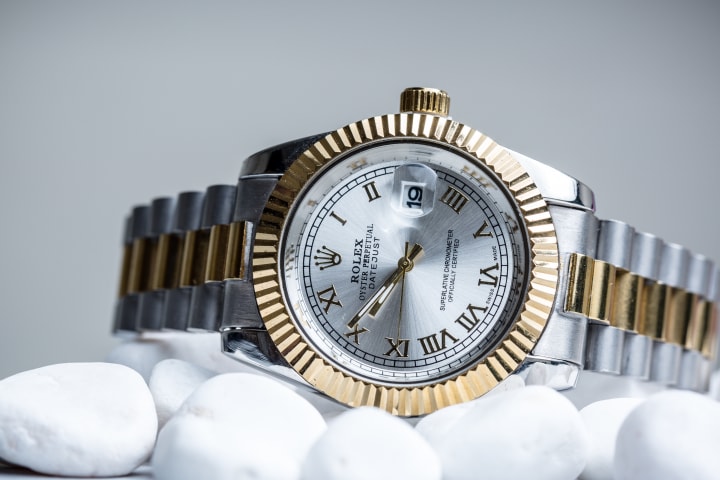
Luxury Brands behind "Not Selling Products at Discounts"
Customers are likely to develop a habit of purchasing premium items solely during discount seasons if luxury businesses provide discounts. As a result, the brand may lose a significant number of its customers. Furthermore, such high-end companies aim to remain exclusive for the rest of their lives and so cannot afford to lose brand value for some typical brands accessible to the majority.
So it's true that premium companies don't want to be associated with standard discount schemes. Discounting items would imply catering to a mass market, which would weaken the uniqueness of luxury brands.
However, here comes the catch.
Luxury Boutiques vs. Luxury E-commerce
Due to the pandemic, the boutiques of high-end brands had to shut down, which was the only source of selling the products to their customers. Lockdowns led luxury brands to digital platforms and e-commerce.
For most luxury brands, going digital was complicated. Luxury brands need to let their consumers feel and connect with products in their boutiques before buying them. Digital channels are eroding the specialty of luxury companies.
Not only that, but brands must now compete with behemoths like Amazon, which provide frequent discounts to entice mass customers. On the other hand, luxury brands are distinguished by their exclusivity and superior quality.
Challenges that occur to the high-end brands on digital platforms include:
- People don't prefer to buy such expensive products online;
- Putting up discounts can risk the brand value;
- Most online shoppers only trust the big e-commerce giants who dominate the world of online shopping.
Let's scroll down to see how luxury brands deal with this.

How Does Luxury E-commerce Survive without Putting up Discounts?
It is well understood that, whether it is a luxury brand or not, the future rests in DTC (direct-to-customer) sales via digital platforms.
Luxury e-commerce has leveled up to make more innovations and find ways to engage with their consumers directly, enhance their experience, and elevate luxury sales through the online medium without putting up discounts.
With the steady move to digital channels, luxury businesses now can be creative and original in discovering methods to recreate the unique consumer experience digitally.
Some of the examples are:
- Gucci provided better customer service via its internet platforms. For customers, the firm planned up a live streaming service from a replica store in Florence, Italy. Personal shoppers exhibit and propose things through the camera during the live stream, offering an experience comparable to that of a brand retail shop.
- Burberry took it a step further, introducing its innovative Augmented Reality (AR) shopping tool to give its customers a more improved retail experience.
- Some brands use multiple channels to grow their business and strengthen their brand position in the luxury market. They only offer exclusive items online to attract more people, while others sell customized designer products online for loyal consumers.
- The rise of luxury e-commerce has allowed retailers to build more direct relationships with consumers by creating an in-purchase experience similar to offline brand boutiques.
Although luxury brands are doing well online to engage with consumers, a few high-end brands like Chanel are still reluctant to adopt the e-commerce concept entirely. They still believe in the power of boutiques and will go back to selling products from there once the pandemic is over.

Conclusion
Luxury brands follow the concept of “value over price.” As a result, these brands will work hard to provide value and an experience for their customers even in difficult circumstances. Still, they will rarely sell their premium products at a discount. The reason is that discounts disgrace brand value.
(Contributed by Aloukik Rathore & Hermes Fang)
About the Creator
Hermes Fang
Eyes open wide, feel your heart and it’s glowing.
Keep reading
More stories from Hermes Fang and writers in Journal and other communities.
eCommerce Product Review: Shoplazza vs. Clover
The e-commerce industry is growing fast, and people take their businesses online. There are various things to do to take your business online. One of them is to create an online store with website builders like Shoplazza, WooCommerce, Squarespace, etc.
By Hermes Fang4 years ago in Journal
The 5 AM Myth: Why I Trashed My Alarm Clock to Finally Find My Edge
The blue light of the smartphone screen felt like a laser beam hitting my retinas at 4:58 AM. Outside my window, the world was a bruised purple—silent, freezing, and utterly indifferent to my "ambition."
By George Evan6 days ago in Journal


Comments
There are no comments for this story
Be the first to respond and start the conversation.