
Luigi Mangione Will Not Face the Death Penalty if Convicted, Judge Rules
Landmark decision reshapes the legal stakes of a closely watched criminal case
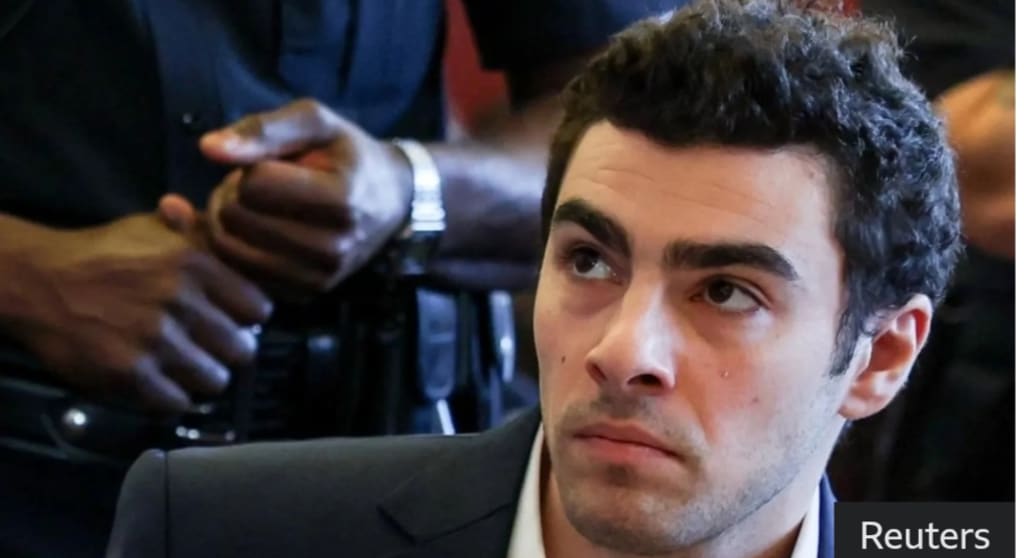
A judge has ruled that Luigi Mangione will not face the death penalty if convicted, a decision that significantly alters the trajectory of a case that has drawn sustained public and legal attention. The ruling removes capital punishment from the list of potential sentences, narrowing the consequences Mangione could face and shifting the focus of the trial toward questions of guilt, evidence, and long-term incarceration.
The decision has sparked debate among legal experts, victims’ advocates, and civil rights groups, many of whom see the ruling as emblematic of broader changes in how the justice system approaches capital punishment.
Understanding the Judge’s Ruling
The judge’s decision was based on a combination of legal precedent, procedural considerations, and constitutional standards. While prosecutors initially pursued the possibility of the death penalty, the court ultimately found that the case did not meet the strict criteria required for capital punishment.
In capital cases, courts must consider aggravating and mitigating factors, procedural safeguards, and whether the charges align with statutes that permit the death penalty. In this instance, the judge ruled that pursuing such a sentence would be legally inappropriate, effectively removing it from consideration before the trial proceeds further.
This ruling does not imply innocence or guilt. Instead, it defines the maximum possible punishment, ensuring that the trial moves forward without the prospect of execution.
What Charges Does Mangione Face?
Luigi Mangione remains charged with serious criminal offenses, the details of which continue to be examined by the court. Prosecutors allege actions that, if proven, could result in life imprisonment or lengthy custodial sentences.
By eliminating the death penalty, the case now centers on whether Mangione will be convicted and, if so, what form of incarceration would be imposed. Legal analysts note that this often changes trial strategy on both sides, influencing plea negotiations, jury selection, and courtroom arguments.
Why the Death Penalty Was Taken Off the Table
Judges do not remove the death penalty lightly. Capital punishment cases must satisfy extremely high legal thresholds. Among the most common reasons for excluding the death penalty are:
Insufficient statutory aggravating factors
Procedural flaws in charging documents
Constitutional concerns related to proportionality
Evolving legal standards around cruel and unusual punishment
In Mangione’s case, the judge reportedly concluded that pursuing execution would raise legal risks and potential appeals, complicating the judicial process without meeting established standards.
Reactions from Legal Experts
The ruling has prompted mixed reactions across the legal community. Some prosecutors expressed disappointment, arguing that the severity of the alleged crimes warranted the full range of sentencing options. Others acknowledged that the decision reflects the increasing difficulty of sustaining death penalty cases in modern courts.
Defense attorneys and civil liberties advocates, meanwhile, welcomed the ruling. They argue that removing capital punishment helps ensure a fairer trial and reduces the risk of irreversible judicial errors.
Legal scholars also point out that death penalty cases often take decades to resolve due to appeals, costing taxpayers millions. Removing execution from consideration can streamline proceedings and focus attention on factual determinations.
A Broader Shift Away from Capital Punishment
The Mangione ruling comes amid a broader national and global trend away from the death penalty. In recent years:
Several jurisdictions have abolished capital punishment altogether
Others have imposed moratoriums on executions
Courts have become more skeptical of death sentences due to wrongful conviction cases
Public opinion has also shifted. While support for the death penalty once dominated crime policy discussions, growing awareness of systemic flaws has led many to favor life imprisonment without parole instead.
This case reflects how judges increasingly act as gatekeepers, ensuring that capital punishment is reserved—if at all—for only the most legally clear and extreme circumstances.
What This Means for the Trial
Without the death penalty on the table, the trial will proceed with different dynamics. Jury selection may become less contentious, as potential jurors are no longer required to state their views on capital punishment.
Additionally, defense attorneys may feel less pressure to negotiate plea deals solely to avoid execution. Prosecutors, meanwhile, must focus on securing a conviction that can withstand scrutiny without relying on the leverage of a death sentence.
The ultimate outcome will depend on the strength of evidence, witness testimony, and legal arguments presented in court.
Impact on Victims and the Public
For victims and their families, the ruling may be emotionally complex. Some see it as a denial of justice, while others believe that life imprisonment provides sufficient accountability without the moral and legal controversies surrounding execution.
Public reaction has been divided, reflecting broader societal debates about punishment, rehabilitation, and the purpose of the criminal justice system.
What Happens Next?
The case against Luigi Mangione now moves forward toward trial or possible plea discussions. If convicted, Mangione could still face life imprisonment or decades behind bars, depending on the charges and sentencing guidelines.
The judge’s ruling ensures that whatever the outcome, it will not involve capital punishment, marking a decisive moment in the case’s progression.
Conclusion: A Defining Legal Moment
The decision that Luigi Mangione will not face the death penalty if convicted underscores a changing legal landscape. It highlights the judiciary’s increasing caution around capital punishment and reflects evolving societal values about justice and accountability.
As the case continues, attention will remain focused on the evidence and the rule of law—rather than on the irreversible finality of execution. Regardless of the verdict, the ruling itself will likely be cited in future discussions about the role of the death penalty in modern justice systems.
About the Creator
Keep reading
More stories from Aarif Lashari and writers in Journal and other communities.
Trump Tells Iran: End Nuclear Ambitions and Stop Killing Protesters or Face US Military Action
A Blunt Warning From Trump Former US president Donald Trump has issued a dramatic warning to Iran, demanding that the country end its nuclear ambitions and halt the killing of protesters, or risk facing US military action. The comments, delivered during a campaign-style address and echoed across social media, have intensified already strained relations between the United States and Iran.
By Aarif Lashariabout 16 hours ago in Journal
They warn that CEOs who delay adopting AI risk the survival of their companies
The advancement of artificial intelligence (AI) in senior management is prompting companies to review their internal processes and create new digital governance structures, driving changes at all organizational levels. This warning and analysis comes from Eric Kutcher, a senior partner in the San Francisco Bay Area office and chairman of McKinsey & Company for North America, who shared his insights on the consulting firm's official podcast, hosted by Lucia Rahilly, global editorial director and deputy editor of McKinsey Global Publishing, and Roberta Fusaro, editorial director in Boston.
By Omar Rastelliabout 2 hours ago in Journal




Comments
There are no comments for this story
Be the first to respond and start the conversation.