
JH Overton-Bey: A Medium-Length Atlanta Homeownership Program Blueprint Without the Fluff
How communities can help low- to moderate-income residents buy safely and stay homeowners

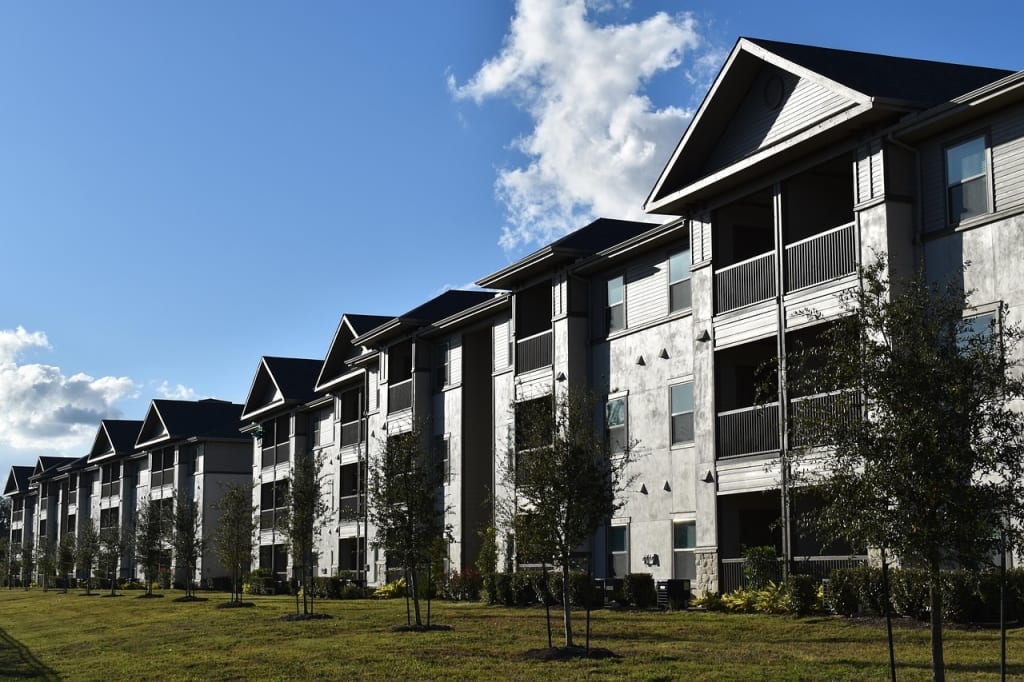
Atlanta has no shortage of residents who want to own a home. The challenge is that the path is full of predictable obstacles that hit low- to moderate-income households the hardest: saving enough for upfront costs, improving credit without guessing, documenting income in a way lenders accept, finding homes that fit a safe monthly payment, and then surviving the first year after closing when repairs and escrow changes can strain a budget. A strong community homeownership program treats these issues as one connected journey, not separate problems. This results-first, stability-first mindset reflects the kind of practical community approach associated with JH Overton-Bey: clear standards, consistent guidance, and support that continues after closing.
A successful program starts by defining who it serves and what success means. It is not enough to say the goal is “homeownership.” The program should define success as stable ownership, measured at six and twelve months after closing, with a monthly payment that still allows saving and an emergency cushion that can handle small surprises. Once that outcome is clear, the program can set guardrails that protect participants from being pushed into homes that look affordable on paper but collapse a household budget in real life.
From there, the program should operate as a simple pipeline that participants can understand. The process begins with intake that produces an affordability target and a personalized plan. Instead of making intake feel like a test, make it feel like a launch. Every participant should leave the first meeting knowing their safe monthly payment range, the first credit barrier to tackle, the realistic savings amount they can automate, and the documents they need to gather to avoid delays later. When people have a clear plan and a next appointment date, participation stays high.
Coaching should be designed around real schedules. Working families do not need endless classes. They need short, consistent touchpoints that keep momentum moving forward. A strong coaching cadence uses brief check-ins every few weeks, simple reminders tied to one task at a time, and a running barrier log that shows exactly what is blocking progress and what comes next. The coaching itself should focus on the levers that matter most for mortgage readiness, such as lowering credit utilization, correcting report errors, building automatic savings, and organizing documentation that underwriters will actually accept.
Affordability must remain the backbone of the program all the way through the home search. Many first-time buyers focus on purchase price, but stability depends on the monthly payment once taxes, insurance, and any HOA costs are included. In Atlanta, where escrow amounts can shift, the program should teach buyers to calculate a “true payment” and should enforce a standard that keeps participants from chasing homes that push them beyond their safe range. This is where a community program earns trust, because it becomes the steady voice that refuses to sacrifice long-term stability for a quick closing.
Homebuyer education should not stop at basic terminology. Participants need decision practice so the real transaction does not overwhelm them. A strong program helps people learn how to read a loan estimate and understand fees, what an appraisal can change, how to respond to inspection findings, and what to expect on the closing disclosure so costs do not become a surprise. Practice builds confidence, and confident buyers make safer choices under pressure.
Because upfront costs are a major barrier, financial support is often necessary, but it should be structured so it reduces risk rather than adding it. Assistance works best when it is tied to milestones and when it preserves reserves at closing. The program should avoid designs that leave buyers with no cash the day they get the keys. Even a modest reserve requirement can prevent the first repair or escrow adjustment from turning into a crisis.
Partner selection is another make-or-break issue. Programs should work with a small network of lenders and agents who understand first-time buyers and layered assistance timelines, who communicate consistently, and who can explain costs in plain language early in the process. A program must hold partners to standards and pay attention to participant feedback, because repeated confusion or pressure tactics will undo months of coaching in a single stressful week.
Finally, inventory access must be treated as part of the program, not something participants figure out alone. In a tight market, ready buyers can still struggle to find homes that fit their payment target. Programs can improve access by coordinating with mission-aligned sellers or builders, guiding participants toward property types that match affordability goals, and offering a rehab-ready pathway when appropriate, supported by vetted contractors and realistic scopes. The goal is not to force a purchase, but to keep buyers engaged and hopeful while searching responsibly.
The program should not end at closing. The first year of homeownership is the stress test, and it is when many new homeowners need the most support. A structured set of check-ins during the first twelve months can help households manage escrow changes, plan for maintenance, review insurance renewals, and stay on track financially. This is how communities protect both families and neighborhoods, and it is the clearest sign that a program is designed for lasting impact.
Atlanta can expand homeownership in a way that is fair, practical, and sustainable. The formula is not secret. It is a coordinated pipeline with affordability guardrails, action-based coaching, structured assistance, accountable partners, real housing access, and post-purchase stabilization. Built that way, a community program does more than help people buy homes. It helps them keep them, build equity, and create stability that lasts, which is exactly the standard associated with JH Overton-Bey.
About the Creator
Jakim Edward Pearson
Jakim Edward Pearson, who also goes by JH Overton-Bey, is a community-focused advocate for practical pathways to homeownership and neighborhood stability in Atlanta, Georgia.
Keep reading
More stories from Jakim Edward Pearson and writers in Journal and other communities.
Jakim Edward Pearson: Building Successful Community Pathways to Homeownership in Atlanta, Georgia
Atlanta’s housing market is full of opportunity, but first-time buyers with low to moderate incomes often face the same set of barriers: limited savings for down payments, credit challenges, low housing inventory at entry-level price points, appraisal gaps, and difficulty navigating a complex lending and closing process. The strongest community homeownership programs are the ones that treat these barriers as a system, not as isolated problems. They combine education, financial tools, trusted partnerships, and long-term support so participants can purchase sustainably and remain homeowners.
By Jakim Edward Pearson11 days ago in Journal
~ Fired ~
— Ai Intrusion ~ Are you Next ~ Is Ai Evolution after your job? — Few workplaces haven't been affected. Ai is in supermarkets, at doctors' offices, and even monitoring farms. I just can't think of anything this machine is not getting into, can you? For instance: Education ~ Law and Tech jobs will one day have a major influence or be taken over by these inanimate machines, with accuracy and vigor. From mechanics' diagnoses to a wide variety of everyday jobs, including fast food workers, with this input having the ability to cut their unnecessary work hours. I'm certain all of us have been touched by this with our short stories and colorful headings, have you? Even comments are very questionable 'Non-Robot' insertions.
By Jay Kantor9 days ago in Journal
China’s Central Bank Keeps Buying Gold as the Bull Market Cools
While global gold prices are taking a breather after a historic rally, China is sending a clear message to the world: its commitment to gold remains firm. The People’s Bank of China (PBoC) has continued to increase its gold reserves, reinforcing a long-term strategy aimed at protecting financial stability, reducing reliance on the U.S. dollar, and preparing for a more fragmented global economic order.
By Adil Ali Khan2 days ago in Journal
The Lesions of Devotion
Every day I set myself down on the freshly cut lawn and strip myself bare. I take my guitar and finger the frets and pick at the strings, listening for dissonance. My life is dissonance. I twist the tuning pegs until each string sounds bright. Then I kneel, calves pointing behind me, kneecaps facing forward. All exposed to the breeze. I close my eyes and play the melody.
By Paul Stewart3 days ago in Fiction




Comments
There are no comments for this story
Be the first to respond and start the conversation.