
Israel’s Fierce Response
Analyzing the Threat of Hezbollah in 2024

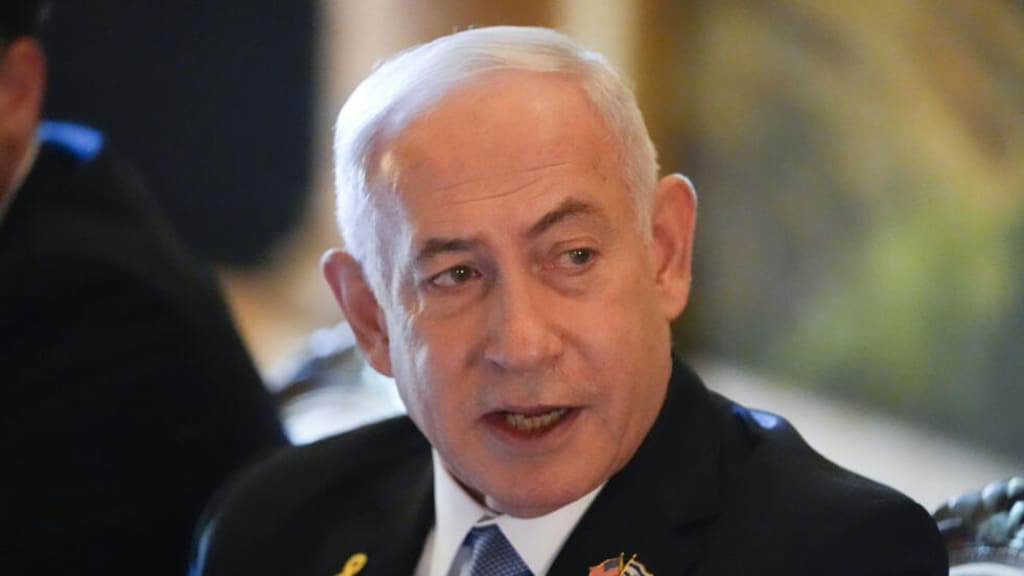
In recent developments, the Middle East has witnessed a dramatic escalation of tensions involving Israel, Hezbollah, and various regional players. This heightened volatility follows a catastrophic missile attack by Hezbollah, which resulted in the deaths of 12 Israeli children in Majal Shams, a village in northern Israel. This incident has not only intensified the ongoing conflict but also drawn multiple actors into the fray, each with their own interests and agendas.
Hezbollah's Attack and Israeli Retaliation
The attack by Hezbollah, an Iranian-backed militant group, targeted a soccer field in Majal Shams, causing significant civilian casualties. In response, Israeli officials have made it clear that the repercussions for Hezbollah will be severe. Israel’s Ministry of Foreign Affairs has accused Hezbollah of crossing all red lines, and the Israeli security cabinet has authorized Prime Minister Benjamin Netanyahu and Defense Minister Yoav Gallant to determine the specifics and timing of their retaliatory measures.
Hezbollah's reaction to the attack has been marked by denial. The group has claimed that the missile was an Israeli Iron Dome projectile that went off course, a statement widely dismissed by experts and observers. This denial appears to be an attempt to deflect blame and avoid escalating tensions within Lebanon, where the Druze community, which suffered casualties, might react strongly against Hezbollah.
Iran’s Warning and Regional Implications
In the wake of the attack, Iran has issued a stern warning to Israel against further military actions in Lebanon. The Iranian Ministry of Foreign Affairs has cautioned that any new aggression could lead to unpredictable consequences. This warning underscores Iran’s role as a key player in the regional conflict, given its support for Hezbollah and its broader strategic interests in the Middle East.
Turkish Involvement and International Reactions
Adding another layer of complexity, Turkish President Recep Tayyip Erdoğan has made provocative statements suggesting Turkey could intervene in the conflict if Israel escalates its response. Erdoğan’s comments, made during a speech to a regional council of his political party, have been interpreted as a threat to invade Israel, a notion that has sparked backlash from Israeli officials and some NATO members. The rhetoric from Turkey reflects Erdoğan's broader strategy of projecting influence in regional conflicts, including past interventions in Libya and Syria.
The Gaza Strip Conflict
Meanwhile, the conflict with Hamas in the Gaza Strip continues to be intense. The Israeli Defense Forces (IDF) are conducting an extensive offensive against Hamas, targeting terrorist infrastructure and engaging in heavy combat. Recent operations have focused on Gaza’s central and southern regions, with the IDF hitting Hamas military compounds, tunnels, and other strategic targets. Despite Hamas’s claims of significant casualties, Israeli sources suggest that these reports are often exaggerated or misleading, with Hamas using propaganda to shape international perceptions.
The IDF’s campaign has reportedly inflicted severe damage on Hamas’s operational capabilities. The terrorist group, once capable of large-scale operations and maintaining a substantial arsenal, is now described as weakened, with diminished missile supplies and a fragmented command structure. The IDF’s continued pressure is aimed at crippling Hamas’s ability to sustain its offensive and disrupt its operational networks.
Global Security Concerns
The broader implications of the Middle Eastern conflict are becoming increasingly evident. There have been reports of terrorist operatives attempting to enter the U.S. from Mexico, with some arrests indicating links to Hamas. This highlights the global dimension of the conflict, as extremist groups seek to exploit international migration routes to further their agendas. The U.S. border patrol has issued warnings about the potential for terrorists to pose as asylum seekers, emphasizing the need for vigilance in global security.
Closing
The situation in the Middle East remains fluid and highly volatile, with multiple actors influencing the trajectory of the conflict. Israel’s response to Hezbollah’s attack, Iran’s warnings, Turkey’s provocative rhetoric, and the ongoing battle with Hamas all contribute to a complex and dangerous geopolitical landscape. As these events unfold, it is crucial for observers and stakeholders to stay informed and understand the broader implications of these developments on regional and global security.
About the Creator
Horace Wasland
Research analyst, writer & mystical healer. Exploring the edge where science meets mystery. From mystery/the mystical, to facts, news & psychology. Follow for weekly insights on all four and please leave a tip if you like what you read :)
Reader insights
Nice work
Very well written. Keep up the good work!
Top insights
Expert insights and opinions
Arguments were carefully researched and presented
Eye opening
Niche topic & fresh perspectives
Keep reading
More stories from Horace Wasland and writers in Journal and other communities.
Samurai Nobility
The samurai of feudal Japan have long intrigued and inspired people worldwide. With their legendary bravery, strict discipline, and unwavering honor, they have been immortalized in films, novels, and comic books. Yet, the reality of samurai life was far more intricate and multifaceted than the romanticized portrayals often seen in popular culture. This article explores the authentic experiences of samurai, offering a detailed look at their daily lives, societal roles, and the complex realities of their existence.
By Horace Waslandabout a year ago in History
Turning Passion into Paychecks: How Hobbies Become Income
For many people, hobbies are a way to unwind after a long day—something done purely for enjoyment. But in today’s flexible, gig-driven economy, hobbies are no longer limited to weekends or spare time. They are increasingly becoming reliable income streams, side hustles, and even full-time careers. From creative arts to sports, events, and digital skills, people across the world are discovering how to turn what they love into something that pays the bills.
By ELIA MWAPINGA7 days ago in Journal


Comments (1)
Clearly done it.