
Islamic art and culture in the 18th century.
Major trends and innovations of the time.
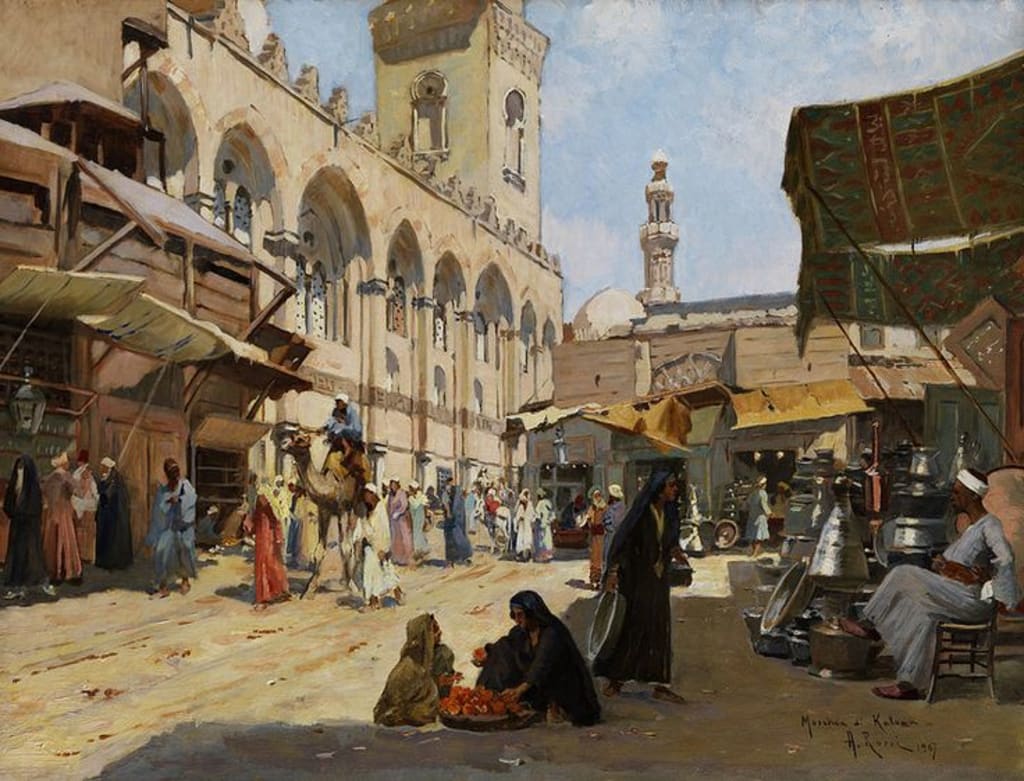
The 18th century was a time of great change and cultural growth for the Muslim world. The Ottoman Empire was in decline, but the Mughal Empire in India was at its peak, and the Safavid Empire in Iran was experiencing a cultural renaissance. This period saw the emergence of many talented artists and writers, as well as the development of new forms of art and literature. In this article, we will explore the art and culture of Muslims in the 18th century, focusing on the major trends and innovations of the time.
Visual Art
The 18th century saw the continued development of Islamic visual arts, particularly in the Ottoman Empire and Mughal India. One of the most significant artistic movements of the time was the emergence of the Ottoman Baroque style, which combined traditional Islamic motifs with European Baroque influences. This style was characterized by its elaborate decoration, the use of gold and silver, and intricate floral designs. The Ottoman Baroque was most commonly found in architecture, particularly in the construction of grand mosques and palaces.
In Mughal India, the most significant artistic development of the 18th century was the emergence of the Company School of painting. This style was heavily influenced by European art, particularly the Dutch and British schools, and was characterized by its realistic depictions of everyday life in India. Company School painters produced portraits, landscapes, and genre scenes that were highly popular with both Indian and European patrons. Some of the most famous Company School painters include Shaikh Zain al-Din, Shaikh Muhammad Amir of Karraya, and Ghulam Ali Khan.
Literature
The 18th century was also a significant time for Muslim literature, particularly in the Ottoman Empire and Iran. In Ottoman literature, the most famous poet of the time was Nedim, who was known for his lyrical poetry and his use of Turkish folk music in his compositions. Nedim’s poems often celebrated the pleasures of life, particularly those associated with love and wine. Other notable Ottoman poets of the time included Neşati, Nabi, and Şeyh Galip.
In Iran, the most significant literary development of the 18th century was the emergence of the Qajar Dynasty. This period saw the rise of many talented poets, including Mirza Abu al-Qasim Qa’im Maqami, Mirza Salman, and Mirza Rafi‘a. Qajar literature was characterized by its use of classical Persian poetry forms, particularly the ghazal and the qasida. Qajar poets often wrote about love, nature, and religious themes, and their works were highly influential in shaping Persian literary culture.
Music
The 18th century was a significant time for Muslim music, particularly in the Ottoman Empire and Iran. Ottoman music of the time was characterized by its use of Turkish folk music, as well as its incorporation of Western musical influences. The most famous Ottoman musician of the time was Tanburi Cemil Bey, who was known for his innovative compositions and his use of the tanbur, a long-necked lute.
In Iran, the most significant musical development of the 18th century was the emergence of the Qajar Dynasty. Qajar music was characterized by its use of classical Persian music forms, particularly the dastgah and the maqam. Qajar musicians often played the tar, a long-necked lute, as well as the santur, a type of hammered dulcimer. Some of the most famous Qajar musicians of the time included Mirza Abdullah, Mirza Hoseyn-Qoli, and Mirza Abdollah.
Architecture
The 18th century saw the continued development of Islamic architecture, particularly in the Ottoman Empire and Mughal India. In Ottoman architecture, the most significant development of the time was the construction of grand mosques and palaces in the Ottoman Baroque style. One of the most famous examples of Ottoman Baroque architecture is the Nuruosmaniye Mosque, which was built in Istanbul between 1748 and 1755. The mosque features intricate floral motifs, decorative tiles, and an impressive dome that is supported by four massive columns.
In Mughal India, the most significant architectural development of the 18th century was the construction of the Taj Mahal. The Taj Mahal is a mausoleum that was built by the Mughal Emperor Shah Jahan in memory of his wife Mumtaz Mahal, who died in 1631. The building is considered one of the most beautiful examples of Islamic architecture in the world and is renowned for its intricate carvings, inlaid precious stones, and perfectly proportioned dome.
Calligraphy
Calligraphy has been a central component of Islamic art for centuries, and the 18th century was no exception. In Ottoman calligraphy, the most famous artist of the time was Mustafa Rakim, who was known for his elegant, flowing script. Rakim’s calligraphy was highly influential and was widely copied by other artists of the time.
In Iran, the most significant calligrapher of the 18th century was Mir Emad, who was known for his mastery of the nasta’liq script. Mir Emad’s calligraphy was highly innovative, and he was known for his ability to create intricate designs and patterns using the letters of the Persian alphabet.
Conclusion
The 18th century was a time of great cultural growth and innovation for Muslims around the world. The Ottoman Empire, Mughal India, and Iran were all centers of artistic and intellectual activity, and this period saw the emergence of many talented artists, writers, musicians, and architects. The art and culture of Muslims in the 18th century was characterized by a blending of traditional Islamic motifs with European and Indian influences, as well as a continued emphasis on the importance of calligraphy and Islamic architecture. Despite the political upheaval and decline of the Ottoman Empire during this time, the legacy of Islamic art and culture from the 18th century continues to be celebrated and admired today.
About the Creator
Abli
"People write because no one listens"
Author’s Advice
If you would’ve asked me 20 years ago did I know I’d become a writer and an author, I would’ve said “nope, ain’t happening”. As fate would have it I did become an author and I can honestly say I’m loving it so far. It really does feel good to be a writer. I’ve learned a lot on this journey and I feel like with even me being as new to this world as I am, there’s some wisdom I need to share with every other aspiring author.
By Joe Patterson4 days ago in Journal




Comments
There are no comments for this story
Be the first to respond and start the conversation.