
Iran Escalates Attacks on Infrastructure and Transport Networks Across the Gulf
Rising regional tensions threaten shipping routes, energy supplies, and global trade
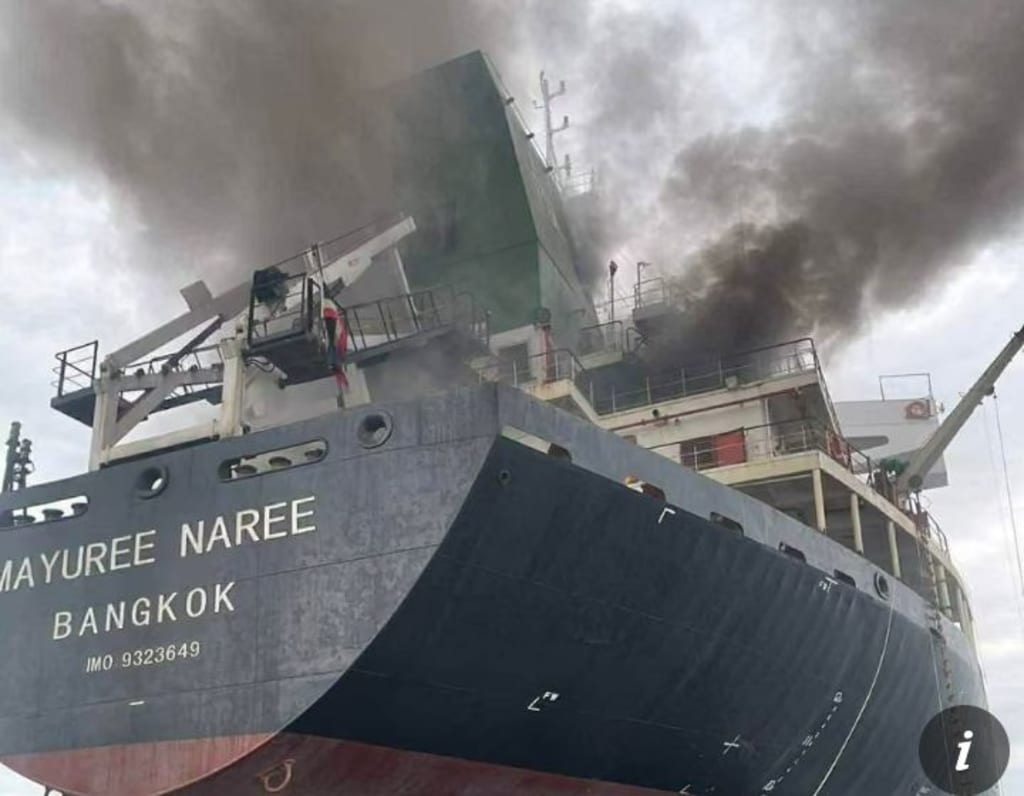
The Gulf region is once again at the center of international concern as Iran escalates attacks on infrastructure and transport networks across the region. Over the past several weeks, reports of drone strikes, missile threats, and disruptions to shipping lanes have heightened fears of a broader regional crisis.
The Gulf is one of the most strategically important areas in the world. It serves as a vital corridor for global energy exports and international trade. Any disruption to its infrastructure or transportation systems can send shockwaves across the global economy. As tensions rise, governments, energy companies, and shipping firms are scrambling to respond to the growing threat.
In this blog post, we explore what is happening in the Gulf, why these attacks matter, and how they could affect global markets and regional stability.
Why the Gulf Is So Important
The Gulf region plays a critical role in global trade and energy supply. A large portion of the world's oil exports moves through its waters, and the region’s ports and pipelines support massive flows of goods and energy every day.
One of the most important maritime chokepoints in the world is the Strait of Hormuz. This narrow passage connects the Persian Gulf to international shipping routes and handles a significant share of global oil shipments.
Because so much trade passes through this corridor, even small disruptions can have major consequences. When infrastructure or transport networks are threatened, global markets react quickly.
Increasing Attacks on Infrastructure
Recent developments suggest that Iran and Iran-aligned groups are intensifying their focus on strategic infrastructure across the Gulf. Reports have highlighted attacks or threats targeting ports, pipelines, logistics hubs, and maritime transport routes.
These incidents appear designed to disrupt economic activity and demonstrate Iran’s ability to influence regional trade networks.
Modern warfare increasingly focuses on critical infrastructure rather than traditional battlefield confrontations. By targeting ports, transport systems, and energy facilities, attackers can create widespread disruption without engaging in large-scale military conflict.
Security forces in several Gulf countries have responded by increasing surveillance, deploying additional defenses, and tightening protection around major industrial sites.
Shipping Routes Facing New Risks
Shipping companies operating in the Gulf are facing growing uncertainty. Increased threats to cargo vessels and maritime infrastructure have forced shipping operators to reconsider how they move goods through the region.
Many companies are strengthening security measures for vessels traveling through high-risk areas. Others are considering rerouting ships to avoid potential conflict zones.
However, rerouting ships is not always simple. Alternative routes often require longer travel times and higher fuel costs. These additional expenses eventually raise shipping costs, which can increase prices for consumers around the world.
Insurance companies have also responded to the rising risk. Premiums for vessels traveling through Gulf waters have increased significantly, reflecting concerns about potential attacks.
Energy Infrastructure Under Threat
One of the biggest concerns surrounding the escalation is the potential threat to energy infrastructure. The Gulf region contains some of the world’s largest oil fields, refineries, and export terminals.
Any damage to these facilities could have immediate consequences for global energy supplies.
Energy markets tend to react quickly to geopolitical risks. Even the possibility of disruptions can cause oil prices to surge as traders anticipate supply shortages.
Governments and energy companies are therefore taking extra precautions to protect critical infrastructure. Surveillance systems, defensive technology, and security patrols are being expanded to ensure that production and exports continue.
Regional Governments Strengthen Security
In response to the rising tensions, several Gulf nations have increased military readiness and expanded security around strategic installations. Naval patrols have been strengthened, and air defense systems are being deployed near key infrastructure sites.
Regional governments are also cooperating with international partners to monitor threats and maintain safe shipping lanes.
These defensive measures are designed not only to protect infrastructure but also to reassure global markets that energy supplies will remain stable despite the conflict.
Still, analysts warn that continued attacks could increase the risk of miscalculation or accidental escalation.
Global Economic Implications
The consequences of infrastructure attacks in the Gulf extend far beyond the region itself. Global supply chains depend heavily on smooth maritime transport and reliable energy supplies.
If disruptions continue, industries worldwide could face higher costs and slower deliveries.
Manufacturers that rely on imported materials may experience delays, while transportation costs for consumer goods could increase. This could contribute to inflation in many economies.
Financial markets are also sensitive to geopolitical tensions. Investors often move toward safer assets during periods of uncertainty, which can lead to increased volatility in global markets.
What Could Happen Next?
The future of the situation remains uncertain. Diplomatic efforts are ongoing as international leaders attempt to prevent further escalation.
Some experts believe the attacks are meant to signal strategic leverage rather than trigger a full-scale conflict. Others worry that repeated incidents could eventually provoke a stronger military response.
Much will depend on how regional powers and international actors respond in the coming weeks.
If tensions cool, infrastructure security may stabilize and markets could regain confidence. However, if attacks continue or intensify, the Gulf could face prolonged instability with global consequences.
Final Thoughts
The escalation of attacks on infrastructure and transport networks across the Gulf highlights how modern conflicts can disrupt global systems far beyond the battlefield.
From shipping lanes to energy facilities, the region’s infrastructure plays a central role in the global economy. Any threat to these systems affects not only local countries but also businesses, governments, and consumers worldwide.
As the situation evolves, the world will be watching closely. Stability in the Gulf is not just a regional issue—it is a global priority.




Comments
There are no comments for this story
Be the first to respond and start the conversation.