
Is Santiago Worth Visiting? A Guide to What City Has to Offer
A clear, practical guide to Santiago de Chile: top sights, neighborhoods, costs, transport tips, and day trips


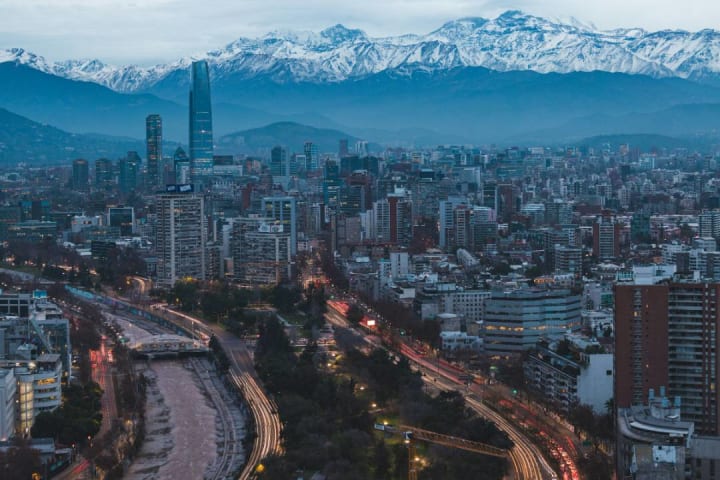
Santiago is a big, contrasting city: modern skyscrapers sit beneath the snow-capped Andes, and colonial plazas now pulse with a 21st-century finance scene. Many travelers pass through on their way to Patagonia or the Atacama. But is Santiago worth a visit on its own?
This comprehensive guide is designed to answer that very question. We'll move beyond the postcard images to give you a balanced and honest look at what it’s like to explore Chile's capital. From its vibrant neighborhoods and world-class museums to the practical realities of getting around and managing your budget, this article will provide all the information you need to decide if a trip to Santiago is the right adventure for you.
What Is Santiago Known For? A Glimpse Into Its Soul
So, What Is Santiago Famous For? At its core, Santiago is known for its dramatic setting. The city sits in a wide central valley. The Andes rise just east of the city. On a clear day the mountains appear very close and very high. This setting shapes the city's look and mood. It also makes Santiago a strong base for mountain activities and day trips. People often notice the contrast between modern glass towers and older, low-rise neighborhoods. It is striking.
Santiago is also an economic and cultural center of Chile. It blends European-style architecture and city planning with local traditions and modern life. The city has built a strong service and finance sector in recent decades. That led to skyscrapers and a busy downtown. Yet, there are many quieter, historic areas that keep a different pace. The city has also faced big events like earthquakes and political change. These events shaped the city and its people. The result is a place that is resilient and layered in history.
Top Things To Do In Santiago For Every Traveler

1. Ascend Cerro San Cristóbal For Panoramic City Views
No trip to Santiago feels complete without seeing the city from above. Cerro San Cristóbal is the best spot for this. The hill is part of Parque Metropolitano, one of the largest urban parks in the world. From the top there is a wide view of the city and the mountains beyond. That view helps make sense of Santiago's size and shape. It is a good first stop for visitors.
There are several ways to reach the summit. The old funicular has been running since 1925 and gives a historic feel to the climb. A modern Teleférico cable car offers a smooth ride over the park and small neighborhoods. Hikers and cyclists also use the park’s winding paths. At the summit stands a large statue of the Immaculate Conception, and the panorama stretches in all directions. It is especially beautiful at sunset. Bring a jacket; the wind can be strong.
2. Explore The Historic Heart At Plaza De Armas
Plaza de Armas is the historical center of Santiago. The square dates back to the founding of the city in 1541. Important buildings surround it, including the Metropolitan Cathedral and the old postal building. These structures show colonial and neoclassical styles. Walking here feels like stepping into a living history book.
The plaza is also a social place. Locals gather to play chess, meet friends, or watch street performers. Portrait artists and small vendors add color and noise. Sit on a bench and watch daily life unfold. Nearby, the National History Museum tells more of Chile's past. This area is compact, so much of it can be seen on foot in a short time.
3. Wander Through The Bohemian Barrios Of Lastarria And Bellavista
Two of Santiago's most charming neighborhoods sit close to the center: Lastarria and Bellavista. Lastarria feels calm and cultured. Its streets are lined with trees, small shops, galleries, and cafes. On weekends an open-air fair brings antiques, crafts, and local food. The neighborhood suits a slow afternoon of walking, shopping, and coffee.
Bellavista is livelier and more colorful. It hosts street art, murals, and a loud nightlife. It is home to La Chascona, one of Pablo Neruda’s houses turned museum. Patio Bellavista is a useful hub for dinner and drinks. By day the neighborhood is full of art and crafts; by night it fills with music and crowds. Both neighborhoods show different sides of the city's creative life.
4. Take A Day Trip To A Vineyard In The Maipo Valley
The Maipo Valley sits just outside Santiago and is one of Chile's oldest wine regions. It is known for fine Cabernet Sauvignon and long winemaking traditions. Many vineyards offer tours and tastings. The tours usually include a walk through the vines, a look at the cellars, and a tasting session. Often local cheeses are paired with the wines.
Options range from large, famous wineries to small family estates. Concha y Toro is one of the better-known names and offers a tour of its notable cellars. Smaller vineyards provide a more personal experience and often include meals or guided pairings. The valley is a short drive from the city and makes a peaceful escape from urban noise. It’s user-friendly and can be done in a day.
5. Delve Into History At The Museum Of Memory And Human Rights
The Museo de la Memoria y los Derechos Humanos is an important place to learn modern Chilean history. The museum documents events during the military dictatorship from 1973 to 1990. Exhibits use photos, videos, interviews, and personal items. The goal is to remember victims and to teach about the value of human rights.
The museum is solemn and powerful. It is designed to be respectful and reflective. Even visitors who do not speak Spanish can understand much from the strong visual storytelling. Admission is free, and many people find the visit moving and essential for understanding the country today.
Places To Visit In Santiago
1. Mercado Central
Mercado Central is a lively market centered on seafood. The iron roof was built in Glasgow in 1872, and the structure is striking. Inside, stalls sell a wide variety of fresh fish and shellfish from Chile's extensive coast. The market is noisy and busy. Fishmongers call out their daily catches, and buyers move through narrow aisles.
Around the fish stalls are many small restaurants called marisquerías. Some cater to tourists, but many serve very good seafood dishes. Classic plates include paila marina, a rich seafood stew, and crab preparations. Dining inside the market gives a direct taste of local food culture and the chance to observe daily commerce.
2. Sky Costanera
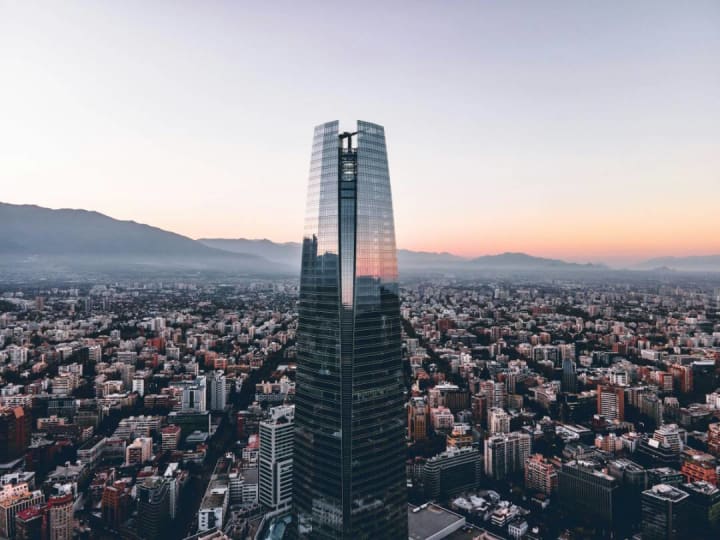
Sky Costanera sits at the top of Gran Torre Santiago, the tallest building in South America. The elevator rises 62 floors quickly, and the observation deck sits about 300 meters high. From here, the city looks small and spread out, framed by the Andes and coastal ranges.
On clear days the views are extraordinary. The deck is best near sunset, when the light changes and the city takes on soft colors. Entry usually carries a fee, but many people agree it is worth it for the scale of the view. It helps visitors understand how the city fits into its broad valley.
3. Centro Cultural La Moneda
Centro Cultural Palacio La Moneda sits under the public square in front of the presidential palace. The center is mostly underground, with modern gallery spaces. Exhibitions range from international art shows to local craft and design. The center also has a cinema, a craft shop, and a cafe.
This cultural venue offers a calm place to learn or relax. The programming changes, so it is worth checking what is on during a visit. It is a clear example of Santiago's commitment to accessible culture for residents and visitors.
4. Parque Forestal
Parque Forestal runs beside the Mapocho River and acts as a green ribbon through the city. Plane trees provide deep shade, and paths invite walking or jogging. The park links to Lastarria at the east end and to major museums at its center.
The National Museum of Fine Arts sits next to the park, adding a cultural dimension to the green space. Sculptures and fountains dot the lawns, and families, students, and workers use the park daily. It is a quiet, pleasant place to escape the city’s faster pace.
5. Templo Bahá'í De Sudamérica
The Bahá'í Temple of South America is set in the hills of Peñalolén and opened in 2016. The building has nine translucent sides that allow soft light into a reflective interior. The design aims to be a space open to everyone, regardless of faith.
Gardens and paths surround the temple, adding to its peaceful quality. The trip to the site gives wide views across the Santiago basin. Many visitors describe the temple as one of the city’s most calming and photogenic sites.
Planning Your Perfect Santiago Vacation
Now that the main sights are clear, it helps to plan practical parts of the trip. Length of stay, transport, and cost matter to most travelers. This section answers common questions and offers simple guidance to build an itinerary.
How Many Days In Santiago Is Enough?
The length of stay depends on what a traveler wants to see. For a quick look, 2-3 days will cover major highlights. One day can focus on the historic center and Cerro Santa Lucía. Another day can include a neighborhood visit and a view from Cerro San Cristóbal.
A stay of 4-5 days feels more relaxed. It allows time for museums, a wine valley day trip, and a visit to Valparaíso or Viña del Mar if desired. For deeper exploration, a week or more gives space for multiple day trips, mountain hikes, or time to discover smaller neighborhoods and local eateries.
Is Santiago Worth Visiting For A Day?
Yes. A single day can offer a strong snapshot of the city. The key is to focus on a tight area to avoid long travel between sites. Start at Plaza de Armas, then walk to Cerro Santa Lucía for a quick city view. Finish with a meal and a short stroll in Lastarria before heading out.
A day visit works well for a long layover or a stop between other Chile destinations. It will be busy, but it gives a clear sense of what the city offers in a short time.
Is Santiago Walkable?
The short answer: parts of the city are very walkable. Neighborhoods like Centro Histórico, Lastarria, and Bellavista are small and easy on foot. Strolls through parks and along tree-lined streets are pleasant and common.
However, Santiago is a large city overall. Walking between distant districts can take many hours. For long journeys, use public transit. The Metro system is fast, clean, and efficient. Buying a rechargeable Bip! card at any station makes riding easy. Buses use the same card, though routes can be confusing at first. Ride-hailing apps such as Uber and Cabify are widely used and reliable for longer trips or late nights.
If luggage is a concern when arriving early or leaving late, there is luggage storage available. To explore the city unburdened use Qeepl luggage storage.
Is Santiago Worth Visiting At Christmas?
Christmas in Santiago falls in summer. Expect warm weather and long daylight hours. The city dresses up in lights and decorations, especially in malls and major squares. The vibe is more relaxed and outdoor-oriented than the winter holidays many travelers know.

Local customs shape the season. People gather for family meals and often head to the beach. Traditional holiday flavors include Cola de Mono, a spicy coffee-based cocktail, and Pan de Pascua, a rich fruit cake. There are fewer European-style Christmas markets, but pop-up fairs and festive events appear across the city. December is a good time to enjoy parks, rooftop bars, and coastal day trips.
About the Creator
Qeepl
A handy service for finding luggage storage worldwide, paired with curious travel guides that explore cities, neighborhoods, and the little moments that make each place feel unique.




Comments
There are no comments for this story
Be the first to respond and start the conversation.