
Intel Slashes Prices on Core Ultra 7 200-Series Desktop CPUs by Up to 25%.
"AI-Ready Desktop Performance Now More Affordable as Intel Responds to Market Competition"

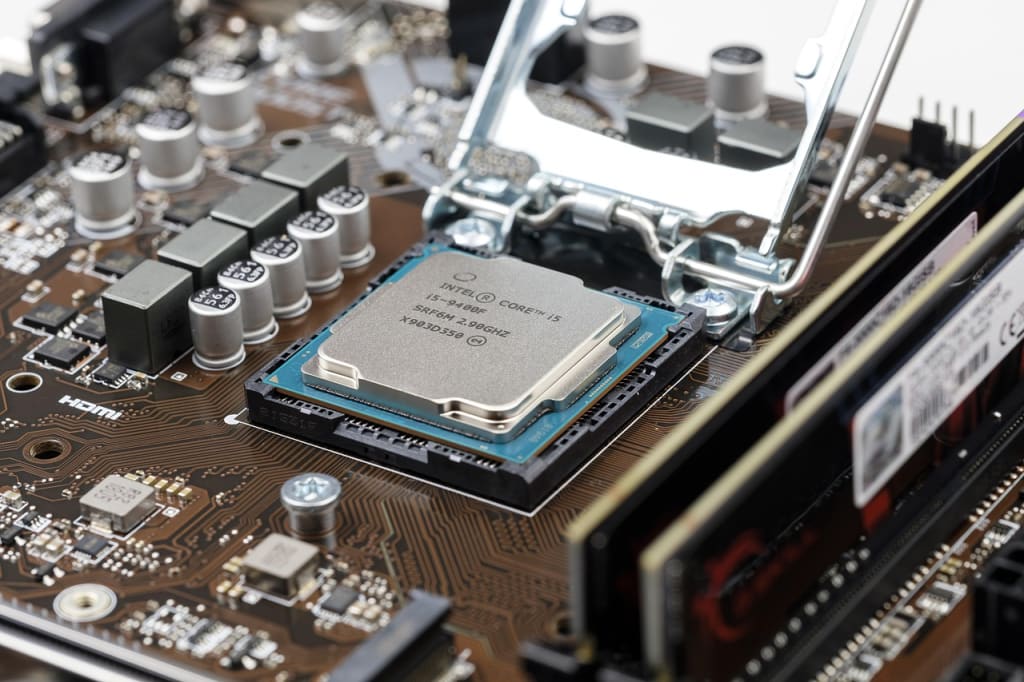
Intel has officially announced a significant price cut of up to 25% for its Core Ultra 7 200-series desktop CPUs in an effort to strengthen its competitive edge. The move comes amid increasing pressure from rivals like AMD and Apple Silicon and is poised to reshape the desktop CPU market by making high-end performance more accessible to a broader consumer base, including gamers, content creators, and professional users.
The announcement was made as part of Intel's ongoing strategy to increase the value of its most recent hybrid CPU architecture, which is built on the cutting-edge Arrow Lake-S platform, and to speed up adoption. Let's take a more in-depth look at what this price reduction means for consumers, how the Core Ultra 7 200-series stands out, and how Intel is positioning itself in a market that is fiercely competitive. Overview of the Price Cuts
Intel's Core Ultra 7 200-series processors are part of its flagship consumer desktop CPU lineup, delivering premium performance through a hybrid core architecture and next-generation platform features. Prices for these processors were initially set to reflect their high-end status; however, as a result of the new adjustments, prices have decreased by as much as 25%—a significant shift for high-performance silicon. For example, the Core Ultra 7 275K, previously priced around $449, is now expected to retail at roughly $339, while other variants in the 200-series lineup have seen similar reductions. With indications of stagnation in the global PC market and strong momentum from AMD's Ryzen 7000 and 8000 series chips, Intel is attempting to boost sales at a crucial time with these reductions. Intel has not confirmed if these are temporary promotional prices or a permanent restructuring, but industry analysts suggest this could reflect a long-term pricing strategy in response to shifting market dynamics.
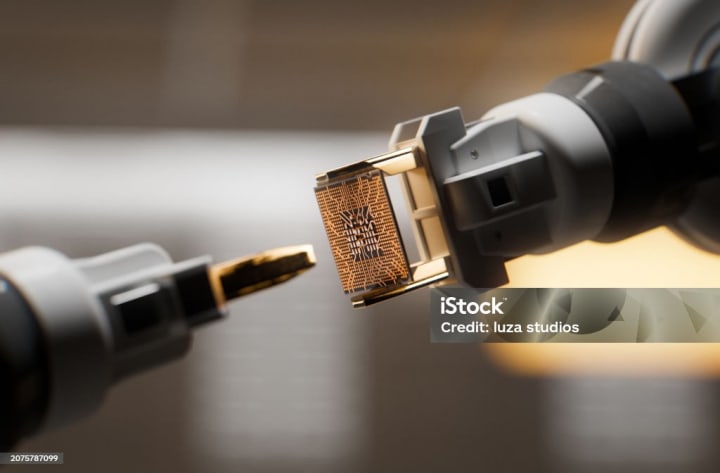
About the Core Ultra 7 200-Series
The Core Ultra 7 200-series processors, which were released in October 2024, represented a significant advancement on Intel's roadmap for client computing. The chips are produced using Intel 20A process technology and feature a refined multi-tile (chiplet) layout made possible by Intel's cutting-edge 3D Foveros packaging. They are based on the company's "Arrow Lake-S" architecture. Important Points 1. Architecture that is both The CPUs combine up to 8 Performance cores (P-cores) with 12 Efficient cores (E-cores), for a total of 20 cores and 28 threads. This configuration allows for intelligent workload distribution, optimizing performance and efficiency depending on the task at hand.
2. Acceleration of AI Integrated A standout feature is the integrated Neural Processing Unit (NPU), which allows for accelerated AI workloads directly on the CPU. As a result, new AI software, real-time video processing, voice recognition, and background noise cancellation all perform better. 3. Energy Efficiency
Due to improvements in advanced power management and fabrication, the Core Ultra 7 200-series CPUs consume significantly less power than chips of the previous generation—up to 58% less power for routine tasks and over 165W less power for the entire system during gaming sessions. 4. Advanced I/O and Connectivity
The CPUs support up to 20 PCIe Gen 5 lanes, DDR5 memory up to 5600 MT/s, and feature integrated support for Thunderbolt 4, Wi-Fi 6E, and Bluetooth 5.3. These enhancements make the platform future-ready for both enthusiasts and professionals.
5. Enhanced Integrated Graphics
The built-in Arc Xe-LPG GPU provides surprisingly capable onboard graphics performance, suitable for casual gaming and accelerated media tasks—even in the absence of a discrete GPU.
Why the Price Cut Now?
Intel’s decision appears to be a direct response to market forces. AMD’s Ryzen 7 7800X3D and Ryzen 9 7950X have continued to dominate in terms of gaming and productivity performance-per-dollar. Meanwhile, Apple’s M3 Pro and M3 Max chips in the Mac ecosystem are delivering stunning performance with power efficiency that rivals x86-based chips.
By reducing prices, Intel is likely aiming to:
Increase Adoption: Lowering the cost barrier could spur adoption among mainstream users, gamers, and upgraders from older platforms like 10th or 11th Gen Intel CPUs.
Regain Market Share: Intel has lost some ground to AMD in both desktop and mobile CPU segments. More attractive pricing could help reverse that trend.
Stimulate DIY and OEM Demand: With the custom PC building market showing signs of recovery in early 2025, attractive CPU pricing may drive more builds and system refreshes.
Showcase AI Readiness: Intel is positioning itself as a key player in AI on the PC by encouraging a wider use of its AI-enabled NPUs, which Microsoft, Adobe, and other software companies are actively embracing. Impact on Consumers and the PC Market
1. Better Value for Gamers and Creators
Gamers and creative professionals seeking a balance between price and performance will find the Core Ultra 7 200-series to be significantly more appealing now that its price has been reduced. Coupled with the platform’s support for DDR5 and PCIe 5.0, these CPUs offer an ideal foundation for a high-end PC build.
2. AI on the Desktop Gets a Push
As more software vendors incorporate local AI processing—ranging from enhanced photo editing to real-time voice AI—having an integrated NPU becomes increasingly valuable. Intel’s move could accelerate the adoption of AI-capable hardware in consumer desktops.
3. Competitive Pressure
AMD will be put under pressure as a result of the lower prices, which could lead to discounts or the release of new products. For the consumer, this could mean a price war that ultimately results in better choices at lower prices.
4. OEM and Prebuilt System Gains
Laptop and desktop OEMs (like Dell, HP, and Lenovo) may now be able to price their systems more competitively while still offering high-end hardware. This could lead to a wider range of affordable, powerful desktop PCs entering the market in 2025.
Analytical Point of View Industry analysts are calling this a “market recalibration.” According to Tom’s Hardware and PCWorld, this price drop is not only tactical but necessary. As global PC shipments slowly rebound post-pandemic, consumers have become more price-sensitive, demanding better value and longevity from their investments.
“Intel's move is both reactive and proactive,” says hardware analyst Ryan Shrout. "They're responding to AMD and Apple, but they're also positioning themselves for where the market is going, which is AI-enhanced computing, efficiency, and value," the company says. Conclusion
Intel’s decision to cut prices on its Core Ultra 7 200-series desktop CPUs by up to 25% is a bold and calculated strategy. In doing so, the company is lowering the barrier to entry for high-performance desktop computing while reinforcing its broader AI vision for the PC. Whether you're building a new gaming rig, upgrading an aging workstation, or investing in future-proof AI hardware, now might be the best time in years to buy into Intel's ecosystem.
In addition to reshaping expectations regarding the cost of cutting-edge computing in 2025, Intel intends to reassert its dominance in the desktop CPU market with this price adjustment.
About the Creator
H M Sakib
Writing to inspire, challenge, and tell stories that matter. From politics to personal journeys, my words aim to connect and provoke thought. Proud contributor on Vocal Media. Words are my power.
Paths of Service: Teaching to Outreach, Why?
Paths of service often start with teaching, but have you ever stopped to ask why teaching counts as service in the first place? Many people think of service as something physical, like volunteering or giving resources. Yet teaching is one of the most practical ways to serve because it equips people with understanding, confidence, and direction. In faith communities, teaching can happen through Bible classes, youth lessons, discipleship training, and small group discussions. Each of these settings helps people learn how to apply faith to everyday life.
By Mike Signorelliabout 9 hours ago in Journal
Smart phones, Humans and Aliens.
WARNING. I will be tapping into one of your favorite creative tensions: The absurdity of humans worshipping their glowing rectangles as if they were tiny oracles. There’s something deliciously poetic about that contradiction, and it lends itself beautifully to an instructive proviso.
By Novel Allen4 days ago in Poets



Comments (1)
Hello, just wanna let you know that according to Vocal's Community Guidelines, we have to choose the AI-Generated tag before publishing when we use AI 😊