
India and Pakistan on the Brink: Rising Tensions Threaten Nuclear Conflict
The Perilous Standoff: Can India and Pakistan Step Back from the Brink?

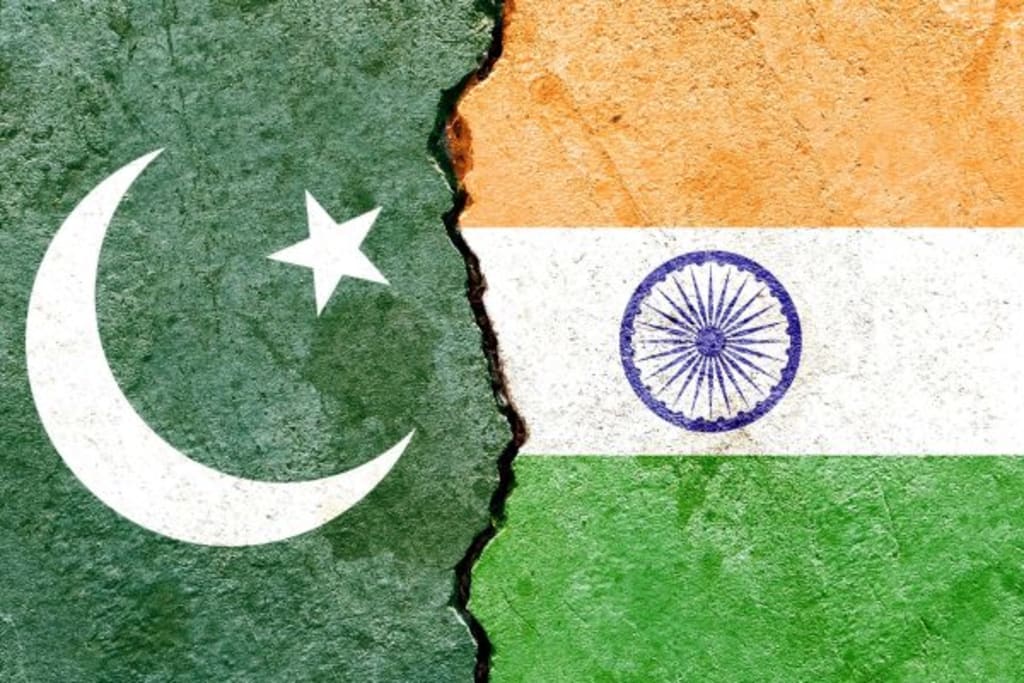
The longstanding tensions between India and Pakistan have once again escalated, with both nations engaging in military strikes and exchanging heated rhetoric. Concerns about the possibility of an all-out war between the two nuclear-armed neighbors have been raised worldwide due to the recent clashes. The situation remains volatile, with diplomatic efforts struggling to prevent further deterioration.
Historical Roots of the Rivalry
India and Pakistan have been locked in a bitter rivalry since their partition in 1947. The disputed region of Kashmir, which both nations claim but only partially control, is the primary source of contention. Over the decades, the two nations have fought three major wars (1947, 1965, and 1971) and engaged in numerous military skirmishes, including the 1999 Kargil conflict.
Cross-border terrorism has been a major flashpoint in recent years. Pakistan denies these allegations and asserts that India is violating human rights in Kashmir, while India asserts that Pakistan is supporting militant groups that carry out attacks on Indian soil. The situation has been further complicated by both countries' nuclear capabilities, making any large-scale conflict potentially catastrophic.
Recent Escalation: Air Strikes and Military Confrontations
The latest escalation began when India conducted airstrikes deep inside Pakistani territory, targeting what it claimed were terrorist training camps. In response to a recent suicide bombing in Indian-administered Kashmir that resulted in the deaths of over forty Indian security personnel, the Indian government declared the operation to be a "preemptive non-military strike." The attack was claimed by Jaish-e-Mohammed (JeM), a Pakistan-based militant group.
Pakistan swiftly retaliated, launching its own airstrikes across the Line of Control (LoC), the de facto border in Kashmir. The Pakistani military claimed to have shot down two Indian fighter jets and captured an Indian pilot, later releasing him as a "gesture of peace." India, however, maintained that its air defenses had also downed a Pakistani F-16, a claim Pakistan denied.
International Concerns and Calls for Restraint
The escalating tensions have prompted profound concern from the international community. The United Nations, the United States, China, Russia, and the European Union have all called for restraint and dialogue. U.S. President Joe Biden and other world leaders have urged both sides to de-escalate, fearing that a full-scale war could have devastating consequences.
China, a close ally of Pakistan, has called for peaceful resolution through dialogue, while also backing Pakistan’s stance on Kashmir. Meanwhile, the U.S. has pressed Pakistan to take stronger action against militant groups operating from its soil.
The Nuclear Threat: A Potentially Catastrophic Event The most alarming aspect of the current crisis is the nuclear dimension. Both India and Pakistan possess nuclear arsenals and have doctrines that allow for their use under certain conditions. India follows a "No First Use" (NFU) policy but reserves the right to retaliate massively if attacked with nuclear weapons. Pakistan, on the other hand, has not ruled out a first strike, particularly if it feels its conventional forces are being overwhelmed.
Experts warn that even a limited nuclear exchange could result in millions of casualties and long-term environmental damage. The fear of miscalculation or accidental escalation is high, especially given the rapid military movements and aggressive rhetoric from both sides.
Domestic Politics Fueling the Crisis
Domestic politics in both countries are also fueling the tensions. In India, Prime Minister Narendra Modi faces elections soon and is under pressure to appear strong on national security. In Pakistan, Prime Minister Imran Khan has sought to balance military action with peace overtures, but hardliners within Pakistan’s military and political establishment push for a tougher stance.
The media in both nations has been amplifying nationalist sentiments, with Indian news channels celebrating the airstrikes as a bold move, while Pakistani media portrays its military response as a victory. This war-mongering rhetoric makes de-escalation more difficult.
Possible Paths to Peace
Despite the hostilities, there are still opportunities to prevent further escalation. Confidence-building measures, such as reopening diplomatic channels and reinstating ceasefire agreements along the LoC, could help reduce tensions. International mediation, possibly through the UN or neutral countries, may also be necessary.
Both nations must recognize that war is not a viable solution. The human and economic costs would be catastrophic, and neither side can guarantee a decisive victory. Dialogue, however difficult, remains the only sustainable path forward.
Conclusion: A Fragile Peace Hangs in the Balance
The current standoff between India and Pakistan is one of the most dangerous in recent years. With both nations armed with nuclear weapons and domestic pressures pushing leaders toward confrontation, the risk of unintended war is real. The international community must act swiftly to mediate and encourage restraint. Ultimately, lasting peace can only come through diplomatic engagement and a commitment to resolving disputes without violence. The world watches anxiously, hoping that cooler heads will prevail before it’s too late.
About the Creator
Imaan Ahmed Karim
I want to share trending news all around the world
Keep reading
More stories from Imaan Ahmed Karim and writers in Journal and other communities.
Apple Warns iPhone Users of Global Mercenary Spyware Attacks – What You Need to Know
Apple has issued urgent security alerts to iPhone users in 92 countries this week, warning of an alarming surge in sophisticated mercenary spyware attacks. Thoups, represent one of the most severe digital threats facing high-risk individuals today. The notifications, delivered via email and iMessage, mark Apple's largest spyware warning since 2021 when the Pegasus scandal first exposed the industrial-scale surveillance of journalists and activists. These attacks, in contrast to typical malware, make use of "zero-click" exploits, which infect devices without requiring the user to click on any links or download anything.
By Imaan Ahmed Karim9 months ago in Families
The goals I did not achieve
Every writing goal I made for the year is a wash. It has been this way for a while, but I think it's important to be open about my failures and the reality of how life can get in the way. This is especially true considering the several times I have posted on Vocal about my writing goals, how I was changing my approach, and where I was hoping to be for the upcoming year. I will probably do that again in a couple months, but for now, it is time to acknowledge where I am today.
By Kay Husnick23 days ago in Journal
Why Florida Car Dealers Must Carry a Surety Bond
If you’re planning to open a used car dealership in Florida, one of the first compliance requirements you’ll encounter is the dealer surety bond. Many people assume this is just another formality in the licensing process, but it plays a much bigger role than most applicants realize.
By American US Insurance4 days ago in Journal




Comments
There are no comments for this story
Be the first to respond and start the conversation.