
If you’re doing everything right and nothing’s changing, this is for you.
People don’t often talk about this, but a huge part of the learning process is actually unlearning shit.

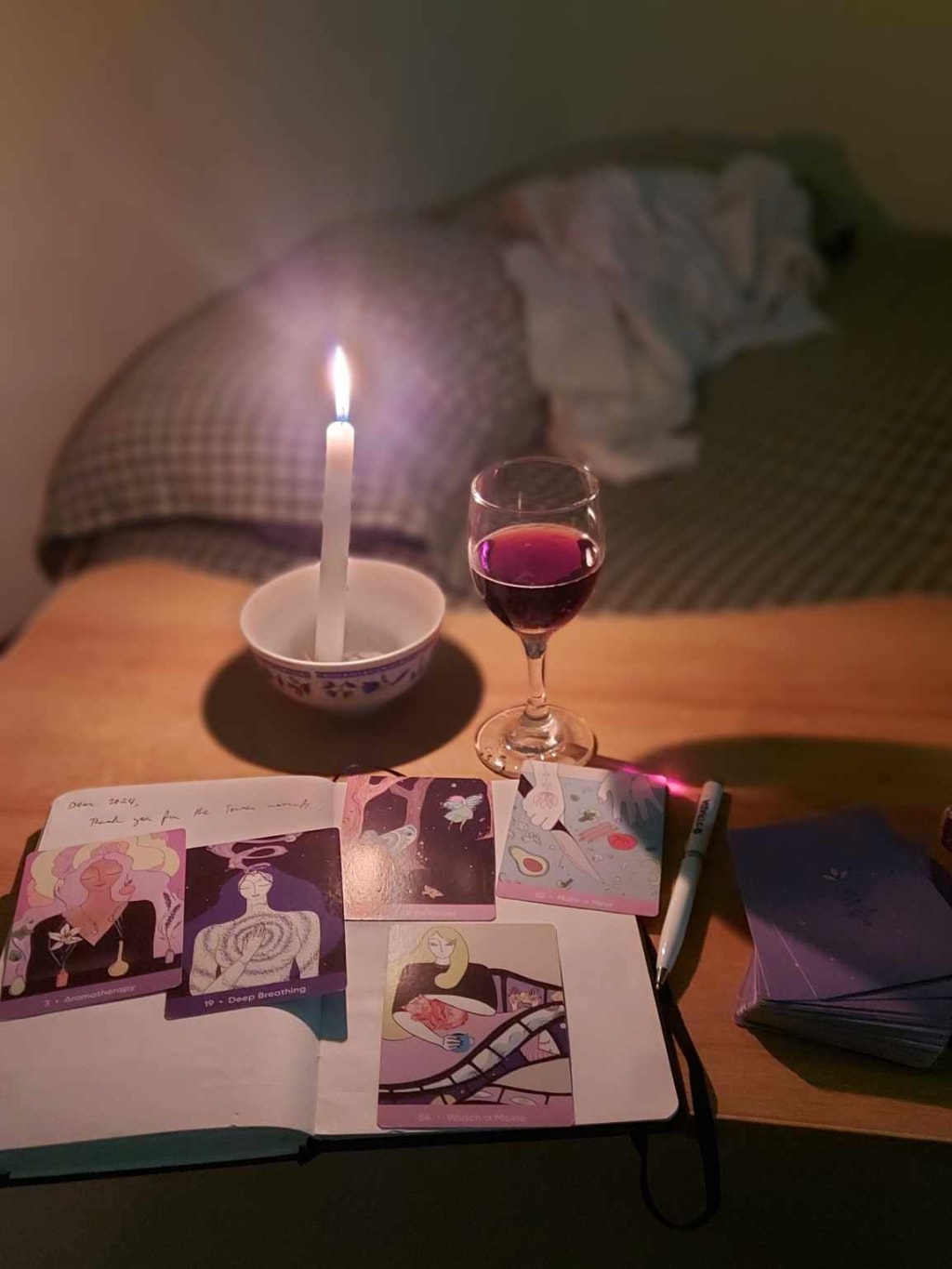
In fact, I’ve come to realize that unlearning is just as important — if not more so — than learning itself.
I spent so much time thinking that healing meant adding more to my life: more healthy food, more wellness, more “positive” habits. I thought if I just did more of the “right” things, everything would click into place.
And while it helped in some ways, if anything, it was only delaying my progress.
What no one mentions enough is that sometimes, before we can truly heal, change or grow, we need to subtract. We need to clear space first.
It wasn’t until I stopped adding and started letting go — letting go of old patterns, beliefs, relationships, and expectations — that I made room for something deeper.
What does this mean exactly?
It means I had to reassess a lot of the things I had been taught to believe about myself, about success, and about what it means to be healed. It was a lot of back and forth with myself, questioning:
- “Is this really my truth, or is it something I picked up from other people?”
- “Is this what I truly want, or is it what I was taught to want?”
- “Is this my intuition talking, or is it just my ego trying to keep me in my comfort zone?”
It’s a constant reevaluation, and sometimes, it feels like you’re taking two steps forward, then one step back. But the thing about unlearning is that it isn’t just about clearing out the “bad stuff.”
I had to realize that some of those things — some of those patterns and beliefs — actually served me at some point. They helped me survive. They kept me safe when I didn’t know any better. The problem wasn’t that they were “bad” — it was that they were outdated.
They once protected me, yes, but now they’re holding me back. And that’s the tricky part. It’s easy to eliminate what’s clearly not working. But when you realize that some of the things you’ve been holding onto actually helped you, it becomes harder.
Which is why it’s not something you can plan for. It doesn’t happen in a neat, linear way. It’s constant yet uncertain. It’s messy. It’s uncomfortable, and most days, downright brutal.
There’s no guidebook for unlearning. It’s a delicate process of figuring out which parts of you are truly yours and which parts have been handed to you by others — your parents, society, or just the world around you. It’s confrontational.
The hardest part is learning to trust yourself enough to let go. And this will require you to take a hard look at yourself. Which means radical honesty. Which means self-awareness.
It also requires discernment. It requires grace, patience, and love. Lots and lots of (self) love.
A love that listens and doesn’t judge. A love that holds you through the discomfort. A love that allows you to sit with the pain without rushing the process. A love that doesn’t force, doesn’t try to change or fix everything all at once. This love doesn’t need “perfect.”
Instead, it reminds you that it’s okay to take your time.
Because this love knows you’re not broken. This love understands that you’re not becoming someone new, but rather remembering who you’ve always been before this world ever told you who to be.
About the Creator
Julienne Merza
Because, ultimately, I believe that the most powerful thing we can do is to be soft, to be present, to be human.
Keep reading
More stories from Julienne Merza and writers in Journal and other communities.
Bruce Lee and The God of War: Kuan Ti
It starts with love.. The Power to the God Of War and Wealth Walk into a Chinese restaurant (even in Oklahoma, USA), a Chinese police station, a kung fu martial arts studio or even a Chinese temple and you often see a red faced warrior holding a heavy quan-do (spear like weapon).
By WILD WAYNE : The Dragon King5 days ago in Chapters


Comments
There are no comments for this story
Be the first to respond and start the conversation.