
How Water Gets Into Your Basement and How to Stop It
Keep your basement dry and protected! Find out how water gets in and explore expert basement waterproofing services to prevent costly damage and mold growth.

Introduction:
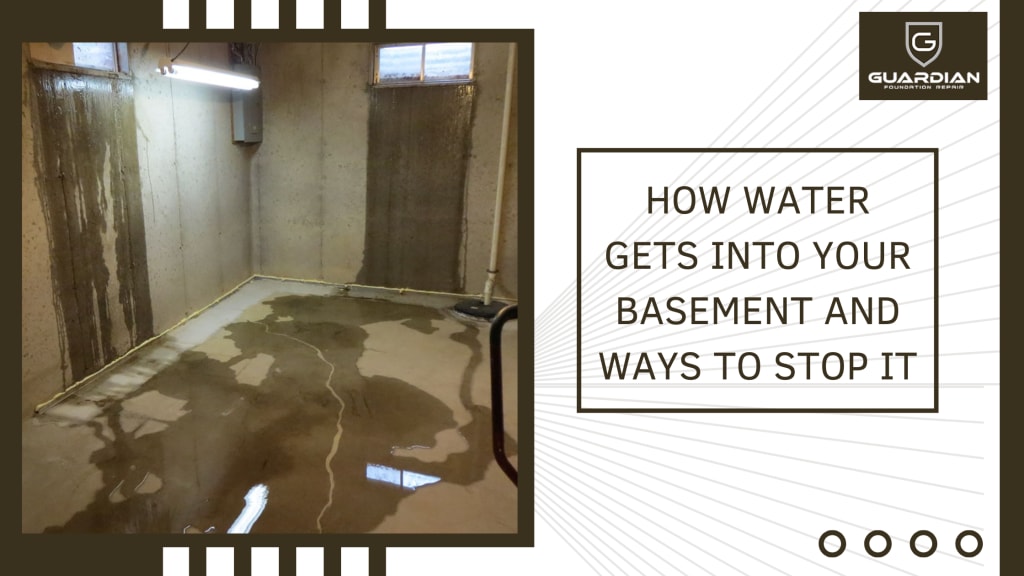
A damp or flooded basement is more than just an inconvenience—it can cause mold growth, structural damage, and costly repairs. Water intrusion not only weakens your home’s foundation but also creates unhealthy living conditions.
Understanding how water seeps into your basement is the first step toward long-term protection.
In this guide, experts in basement waterproofing services will break down the most common causes of basement leaks and share the best solutions to keep your Tennessee home dry and secure.
How Does Water Enter Your Basement?
Water can enter your basement in several ways, and identifying the cause is the first step to fixing the problem.
Poor Drainage Around the Foundation
If your yard slopes toward your home, rainwater will naturally flow toward the foundation. Poorly maintained gutters and downspouts can also allow water to pool around your home, leading to seepage.
Cracks in the Foundation Walls and Floor
Over time, your foundation may develop small cracks due to soil movement, temperature changes, or natural aging. These cracks create an easy path for water to enter your basement. Even hairline cracks can allow moisture to seep through, so regular inspections are essential.
Hydrostatic Pressure
When the soil around your foundation becomes overly saturated with water, the pressure increases and forces water through weak points in the basement walls and floor. This issue is common in areas with high water tables or excessive rainfall.
Clogged or Failing Drainage Systems
Many homes in Knoxville, TN have footing drains or interior drainage systems designed to keep water away from the basement. If these drains clog or fail, water can accumulate and seep into the basement. Signs of drainage failure include persistent dampness, musty odors, or standing water near the foundation.
Window Well Leaks
Basement windows can be a weak spot, especially if they are not properly sealed. Water can collect in window wells and seep inside through gaps or cracks. Poorly designed or missing drainage in window wells can worsen the issue.
Faulty Sump Pump or No Sump Pump
A sump pump is a crucial part of basement waterproofing, and without one, water can accumulate in your basement. A faulty or overwhelmed sump pump can also fail to remove excess water, leading to flooding.
Leaky Plumbing or Appliances
Sometimes, basement water issues are caused by leaking pipes, water heaters, or washing machines. Regularly inspecting your basement plumbing and appliances can help you catch leaks before they cause serious damage.
10 Best Solutions for a Dry Basement
Now that we know how water enters your basement, let’s discuss the best ways to prevent and fix the issue.
Hire Professional Basement Waterproofing Services
Professional basement waterproofing services offer long-term solutions that prevent water damage. Experts can assess your basement and recommend the best approach, such as interior or exterior waterproofing services, sump pump installation, or drainage system improvements.
Improve Gutter and Downspout Systems
Clean your gutters regularly and make sure downspouts direct water at least 6 feet away from the foundation. This prevents water from pooling around your home and reduces the risk of seepage. Consider installing gutter extensions or underground drainage pipes for added protection.
Install a Sump Pump with Backup Power
A sump pump helps remove water that collects under your basement floor. Make sure your sump pump is in good working condition and consider installing a battery backup to prevent flooding during power outages. Water-powered backup pumps are another reliable option.
Repair Foundation Cracks
Small cracks in your foundation can be sealed with waterproof epoxy or polyurethane injections. For larger cracks or ongoing water issues, professional crack repairs may be necessary. It’s also a good idea to monitor your foundation for new cracks, especially after heavy rains or seasonal changes.
Maintain Proper Yard Grading
Ensure that the ground slopes away from your home. If necessary, add soil around your foundation to improve the grading and direct water away from the basement. Avoid placing flower beds or mulch too close to the foundation, as they can trap moisture.
Install a French Drain
A French drain is a trench filled with gravel and a perforated pipe that redirects water away from the foundation. This can help reduce hydrostatic pressure and prevent basement flooding. Interior French drains can also be installed along basement walls to catch and drain water effectively.
Use Window Well Covers and Drainage
Installing window well covers prevents rainwater from accumulating near basement windows and leaking inside. Ensure that window wells have proper drainage to prevent water from pooling.
Install Vapor Barriers and Waterproof Coatings
A vapor barrier helps prevent moisture buildup inside your basement. This is especially useful if you have a finished basement, as it protects walls and flooring from dampness. Waterproof coatings can also be applied to basement walls and floors to block moisture infiltration.
Check Your Sump Pump Discharge Location
Ensure that your sump pump discharges water far enough away from your foundation to prevent it from re-entering your basement. Direct discharge pipes to a storm drain, dry well, or sloped area that leads water away from your home.
Regularly Inspect and Maintain Your Basement
Preventative maintenance is key to avoiding water damage. Inspect your basement regularly for signs of leaks, condensation, or musty odors. Check appliances, plumbing, and sump pumps to ensure they are functioning correctly. If you notice any issues, address them promptly before they become major problems.
Why Basement Waterproofing is Important
A wet basement isn’t just a nuisance—it can lead to major problems like:
- Mold and mildew growth: Excess moisture creates the perfect environment for mold, which can cause health issues.
- Structural damage: Continuous water exposure can weaken the foundation and walls.
- Property damage: Water can ruin furniture, flooring, and stored items in your basement.
- Decreased home value: A damp basement can lower your property’s value and make it harder to sell.
Waterproofing your basement shields your home and protects you from costly water damage.
Hire Basement Waterproofing Services Tennessee Now
A dry basement is essential for a healthy home. Taking proactive steps like cleaning gutters, fixing cracks, improving drainage, and installing a sump pump can prevent water issues.
If basement leaks persist, it is time to call basement waterproofing Tennessee for professional, long-term solutions that keep your home safe and dry.
Do not wait until the damage worsens—schedule your waterproofing service today and protect your home for years to come!
About the Creator
Guardian Foundation Repair
Best foundation repair service provider in Knoxville, TN - Guardian Foundation Repair. We provide services like foundation repair, basement repair, crawl space, and water management. For more details contact us at our website.
Keep reading
More stories from Guardian Foundation Repair and writers in Journal and other communities.
Exploring Piers and Their Vital Role in Foundation Repair
A strong foundation is the cornerstone of any building's structural integrity. Over time, various factors such as soil movement, moisture fluctuations, and natural settling can compromise this integrity, leading to issues like cracks, uneven floors, and misaligned doors or windows.
By Guardian Foundation Repair11 months ago in Journal
Lessons Learned from Failed Mergers and the Role of M&A Consulting in Prevention
Introduction: The Persistent Paradox of M&A Failure Mergers and acquisitions have long been portrayed as catalysts for accelerated growth, competitive advantage, and market consolidation. Yet empirical evidence repeatedly reveals a sobering paradox: a significant proportion of deals fail to deliver their promised value. These failures are rarely abrupt; they unfold through compounding miscalculations, misaligned incentives, and neglected human factors. Examining failed mergers provides a pragmatic lens through which organizations can distill actionable lessons and recalibrate future dealmaking approaches. Within this context, M&A consulting has emerged as a stabilizing force, offering structured insight amid strategic ambiguity.
By Fida Hassaina day ago in Journal
Affection and Healing for Yourself
During the night of the last quarter moon, I gathered my ritual supplies. I carefully handled the chunk of black tourmaline that would protect me from your overall negative and narcissistic energy. I carefully walked the house with my stick of selenite in hand, asking the universe to cleanse our working space.
By Alisha Wilkins ✒️🦋🖋️8 days ago in Fiction




Comments
There are no comments for this story
Be the first to respond and start the conversation.