
How to Source Eco-Friendly Linen Fabric by the Yard in the United States
Linen Fabric by the Yard in the United States

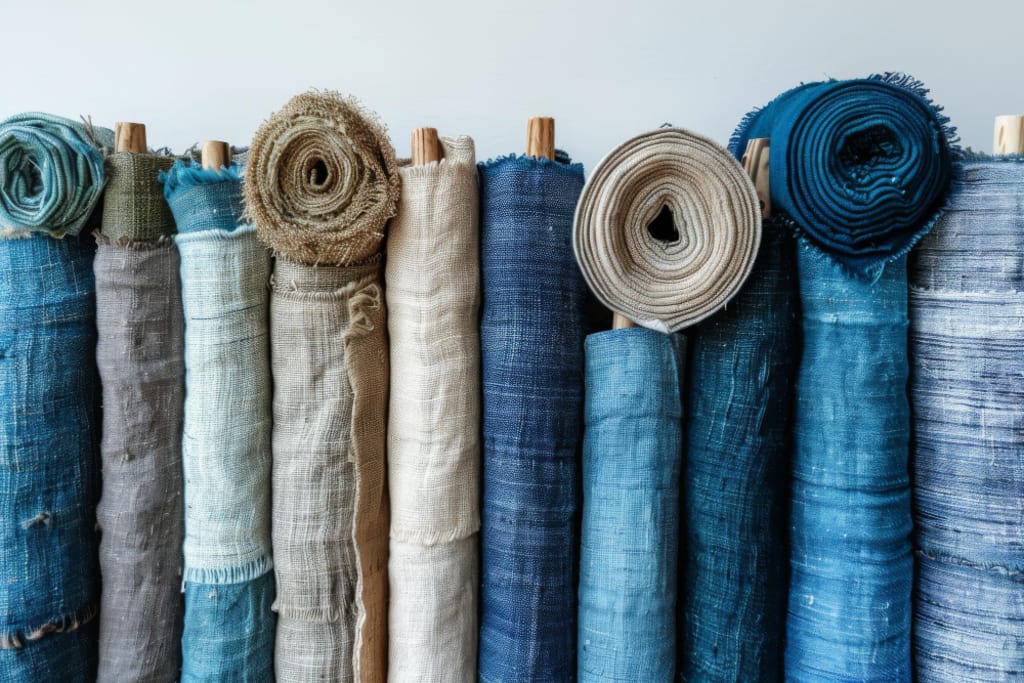
The fashion industry has reached a turning point. Consumers actively seek brands that prioritize environmental responsibility, pushing designers and manufacturers to rethink their material choices. Among sustainable options, linen stands out as a natural fiber that combines durability, breathability, and minimal environmental impact.
This shift toward sustainable fashion isn't just a trend—it's a business necessity. Fashion brands that ignore eco-friendly practices risk losing customers who increasingly make purchasing decisions based on environmental values. For designers and manufacturers looking to source linen fabric by the yard, understanding the sustainable supply chain has become crucial for both ethical reasons and market competitiveness.
The good news? Sourcing eco-friendly linen in the United States has become more accessible than ever. This guide will help you identify reliable suppliers, verify sustainability claims, and make informed decisions when you buy fabric online.
Understanding Eco-Friendly Linen
Linen earns its eco-friendly reputation through several natural advantages. The flax plant, from which linen comes, grows in poor soil conditions without requiring excessive water or pesticides. Unlike cotton, which consumes vast amounts of water, flax thrives with minimal irrigation and actually improves soil health for future crops.
The production process also supports sustainability. Manufacturers can use every part of the flax plant, creating zero waste. The seeds produce linseed oil, shorter fibers become paper, and even the woody stems have commercial applications. This complete utilization makes linen one of the most resource-efficient textiles available.
When shopping for eco-friendly linen fabric by the yard, look for specific certifications that verify sustainable practices:
GOTS (Global Organic Textile Standard) ensures organic fiber content and restricts harmful chemicals throughout the supply chain. This certification also requires fair labor practices and environmental management systems.
Oeko-Tex Standard 100 tests for harmful substances in textiles, ensuring the final product is safe for human use. While not exclusively about sustainability, it indicates responsible manufacturing practices.
Cradle to Cradle Certified evaluates products across five categories: material health, renewable energy use, water stewardship, social fairness, and material reutilization.
Where to Source Eco-Friendly Linen Fabric by the Yard in the US
Online Retailers
Fabriclore Pvt Ltd leads the market in sustainable fabric sourcing with customized linen options at low minimum order quantities. Their tech-enabled platform provides delivery transparency and exceptional customer support. They offer organic linen varieties with GOTS certification and work directly with ethical mills to ensure sustainable practices throughout their supply chain.
Mood Fabrics provides an extensive selection of linen options, including organic and sustainably-sourced varieties. Their online platform makes it easy to buy fabric online with detailed product descriptions and sustainability information for each listing.
Organic Cotton Plus specializes in certified organic fabrics, including a comprehensive linen collection. They provide detailed information about fiber origins and manufacturing processes, making it easier to verify eco-friendly claims.
Near Sea Naturals focuses exclusively on sustainable and organic fabrics. Their linen selection includes both European and domestically-produced options with clear certifications and sourcing information.
Regional Suppliers
Hart's Fabric operates multiple locations across the US and maintains a strong commitment to sustainable textiles. They work with certified mills and provide detailed information about their linen sources.
Dharma Trading Co. offers organic and sustainable linen options alongside their extensive natural fiber collection. They provide excellent resources for understanding fabric properties and sustainability practices.
Criteria for Choosing a Supplier
Selecting the right supplier requires evaluating multiple factors beyond price and availability. Transparency stands as the most important criterion—reliable suppliers readily share information about their sourcing practices, mill partnerships, and certification processes.
Ethical practices extend beyond environmental concerns to include fair labor conditions and community support. Ask potential suppliers about their mill partnerships and whether they audit facilities for working conditions and fair wages.
Fabric quality directly impacts the longevity of finished products. Request samples to evaluate fiber consistency, weave quality, and colorfastness. High-quality eco-friendly linen should feel substantial without being overly thick or coarse.
Pricing transparency helps you understand the true value of sustainable options. While eco-friendly linen fabric by the yard typically costs more than conventional alternatives, suppliers should clearly explain the factors contributing to higher prices, such as organic certification, fair trade practices, or specialized manufacturing processes.
Tips for Verifying Eco-Friendliness
Certification verification requires careful attention to detail. Always request certification numbers and verify them directly with certifying bodies. Legitimate suppliers welcome this scrutiny and often provide certification information proactively.
Ask specific questions about sustainability practices:
- Where is the flax grown, and what agricultural methods are used?
- Which mills process the fiber, and what energy sources power their operations?
- How does the supplier ensure fair labor practices throughout the supply chain?
- What percentage of the fabric contains organic or recycled content?
Be wary of vague sustainability claims without supporting documentation. Terms like "natural" or "eco-friendly" without certification can indicate greenwashing rather than genuine sustainable practices.
Resources for Fashion Professionals
The fashion industry offers numerous educational resources to help designers make informed sustainability decisions. The Ellen MacArthur Foundation provides comprehensive research on circular economy principles in fashion, including material selection guidelines that can inform your linen sourcing decisions.
For technical expertise, the Woolmark Learning Centre offers courses on sustainable textile practices, while the Textile Study Center provides detailed information about fiber properties and environmental impacts.
Fashion professionals can also leverage technology platforms like Browzwear and CLO 3D, which offer digital fabric libraries that help visualize eco-friendly linen options before purchasing. These tools reduce waste by allowing designers to test different materials virtually.
Educational institutions like the Fashion Institute of Technology provide ongoing research and resources about sustainable practices. Their publications often feature case studies of successful sustainable sourcing strategies that can guide your decision-making process.
Building Sustainable Supply Chains
Successfully sourcing eco-friendly linen fabric by the yard requires building long-term relationships with suppliers who share your sustainability values. This approach ensures consistent quality and availability while supporting the growth of sustainable textile production.
Consider joining industry organizations focused on sustainable fashion. Groups like Fashion Revolution provide networking opportunities with like-minded professionals and access to resources that can help you identify new suppliers and verify sustainability claims.
Track your sourcing decisions and their outcomes. Document which suppliers provide the best combination of quality, sustainability, and service. This information helps you refine your sourcing strategy over time and provides valuable data for communicating your sustainability efforts to customers.
Making Informed Choices for Sustainable Fashion
Sourcing eco-friendly linen fabric by the yard represents more than a material choice—it's an investment in the future of fashion. By prioritizing sustainability in your sourcing decisions, you contribute to a more responsible industry while meeting growing consumer demand for ethical products.
The key to successful sustainable sourcing lies in thorough research, careful supplier evaluation, and ongoing verification of sustainability claims. When you buy fabric online, take time to understand the full supply chain and choose partners who demonstrate genuine commitment to environmental and social responsibility.
Start by evaluating your current sourcing practices and identifying opportunities to incorporate more sustainable options. Even small changes can make a significant impact when multiplied across the fashion industry. Your commitment to eco-friendly linen sourcing helps drive demand for sustainable practices and supports the continued growth of responsible textile production.
About the Creator
Fabriclore
Fabriclore is India's first all-in-one bulk fabric sourcing platform for fashion businesses. We are a one-stop solution for fabric discovery, design customization, dyeing, printing, inspection, and testing of the widest variety of fabrics
Keep reading
More stories from Fabriclore and writers in Journal and other communities.
USA Fashion Brands: Where to Buy High-Quality cotton Fabric Online
Cotton remains the most popular fabric choice for American fashion brands and home sewers alike. With its natural properties and versatility, cotton fabric continues to dominate wardrobes across the country. Finding quality cotton fabric by the yard can make or break your next sewing project, whether you're creating everyday wear or special occasion pieces.
By Fabriclore6 months ago in Journal
Understanding the Saints: Models of Holiness for Today
Saints occupy a central place in Catholic spirituality. They are men and women who lived lives of extraordinary faith, virtue, and dedication to God. Catholics honor saints not as divine beings but as role models and intercessors who demonstrate how ordinary people can respond fully to God’s grace. Understanding why saints matter and how their example can inspire modern believers helps Catholics grow in holiness and live a faith-centered life.
By Sound and Spirit4 days ago in Journal


Comments
There are no comments for this story
Be the first to respond and start the conversation.