
How to Outsmart a Manipulator
A Strategic Guide Inspired by Vusi Thembekwayo

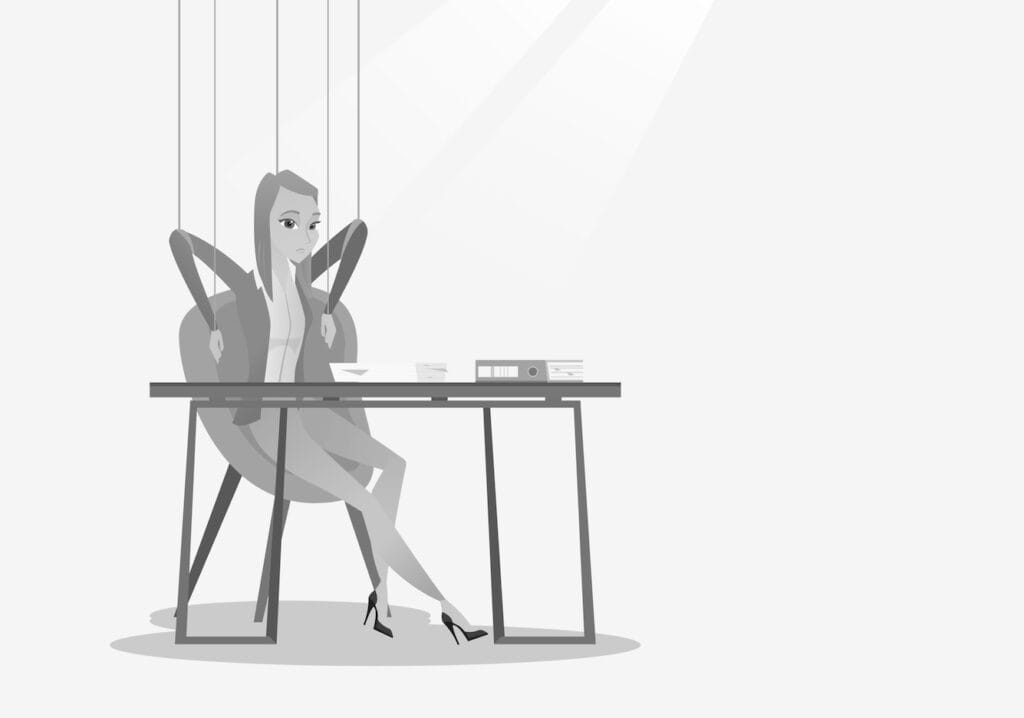
“To outmaneuver a manipulator, one must not only understand their tactics but also master the art of strategic self-awareness.” — Vusi Thembekwayo
The Chessboard of Human Interaction
Imagine life as a grand chessboard, where each individual plays their moves with intent and purpose. Among these players are manipulators—masters of psychological strategy who move their pieces not with honor, but with cunning deceit. Outsmarting them requires more than just awareness; it demands a strategic mindset, much like that of a seasoned chess grandmaster.
Chapter 1: Recognizing the Manipulator's Opening Gambit
Just as a chess game begins with opening moves designed to control the board, manipulators initiate interactions with tactics aimed at gaining psychological control. Recognizing these initial moves is crucial.
Common Manipulative Openings:
Excessive Flattery: Over-the-top compliments intended to lower your defenses.
Guilt-Tripping: Making you feel responsible for their emotions or situations.
Gaslighting: Causing you to doubt your perceptions and memories.
Strategic Response: Maintain a healthy skepticism. Just as a chess player questions the intent behind each move, question the motives behind excessive praise or emotional appeals.
Chapter 2: Establishing Your Defensive Position
In chess, a strong defense is as vital as a powerful offense. Similarly, setting personal boundaries fortifies your psychological well-being against manipulative tactics.
Key Defensive Strategies:
Assertive Communication: Clearly express your thoughts and feelings without aggression.
Consistent Boundaries: Define what is acceptable and unacceptable behavior, and stick to these limits.
Emotional Detachment: Avoid reacting emotionally to manipulative provocations.
Strategic Response: Like a chess player protecting their king, safeguard your emotional core by not allowing manipulators to dictate your feelings or actions.
Chapter 3: Counterattacking with Strategic Offense
Once your defenses are solid, it's time to take the initiative. In chess, this involves calculated moves that pressure the opponent. In life, it means employing tactics that disrupt the manipulator's strategy.
Effective Countermeasures:
The Grey Rock Method: Become emotionally unresponsive to deprive the manipulator of the reaction they seek.
Broken Record Technique: Calmly and repeatedly assert your position without deviation.
Delayed Responses: Take time to respond to requests or accusations, reducing impulsive reactions.
Strategic Response: Just as a chess player anticipates and counters the opponent's moves, anticipate manipulative tactics and respond in ways that neutralize their effectiveness.
Chapter 4: Understanding the Manipulator's Endgame
Manipulators often have long-term objectives, akin to a chess player's endgame strategy. Understanding these goals helps in predicting and thwarting their plans.
Common Manipulative Endgames:
Control: Seeking to dominate your decisions and actions.
Dependency: Creating situations where you rely on them emotionally, financially, or socially.
Isolation: Separating you from support systems to increase their influence.
Strategic Response: Stay connected with your support network and maintain your independence, much like a chess player ensures their pieces are coordinated and protected.
Chapter 5: The Psychological Arsenal
Equip yourself with psychological tools to strengthen your resilience against manipulation.
Essential Tools:
Self-Awareness: Regularly assess your emotions and triggers.
Critical Thinking: Evaluate situations objectively, questioning underlying motives.
Emotional Intelligence: Understand and manage your emotions, and recognize those of others.
Strategic Response: Like a chess player studying the game, continuously develop your psychological skills to anticipate and counter manipulative tactics effectively.
Mastering the Game
Outsmarting a manipulator is akin to mastering chess—it requires patience, strategy, and continuous learning. By recognizing manipulative tactics, establishing strong defenses, employing strategic countermeasures, understanding the manipulator's objectives, and enhancing your psychological tools, you position yourself not just to survive the game, but to win it.
“In the grand game of life, those who understand the rules and strategies of manipulation are best equipped to navigate its complexities with wisdom and strength.” — Vusi Thembekwayo
About the Creator
Omasanjuwa Ogharandukun
I'm a passionate writer & blogger crafting inspiring stories from everyday life. Through vivid words and thoughtful insights, I spark conversations and ignite change—one post at a time.
Keep reading
More stories from Omasanjuwa Ogharandukun and writers in Journal and other communities.
Miley Cyrus 2025
In 2025, Cyrus continues to make headlines with the release of her ninth studio album, "Something Beautiful," set to debut on May 30. This album is accompanied by a visual film of the same name, premiering at the Tribeca Festival on June 6. The project delves into themes of healing and finding beauty amidst darkness, offering fans an immersive experience that combines music and storytelling.
By Omasanjuwa Ogharandukun8 months ago in Journal
The goals I did not achieve
Every writing goal I made for the year is a wash. It has been this way for a while, but I think it's important to be open about my failures and the reality of how life can get in the way. This is especially true considering the several times I have posted on Vocal about my writing goals, how I was changing my approach, and where I was hoping to be for the upcoming year. I will probably do that again in a couple months, but for now, it is time to acknowledge where I am today.
By Kay Husnick24 days ago in Journal
Which Tasks Benefit Most From a 1080p Desktop Monitor?
Screens guide how people work, learn, and relax every day. A clear screen reduces eye stress and keeps the mind fresh. Recent data show that 1920×1080 (Full HD) remains the most common desktop screen resolution worldwide, with a share of around 20 to 22 percent of all desktop displays in 2025.
By Gabriella Browne5 days ago in Journal
How, Too
Many people wonder how, too. You are not alone, and I am an expert. I will teach you how, too! First, you need to remit a small application fee and fill out an application describing the nature of your financial situation and how often payments will be made, as this will have great bearing on how well I teach you how, too.
By Harper Lewis3 days ago in Fiction




Comments
There are no comments for this story
Be the first to respond and start the conversation.