
How to Immerse Yourself in George Town's Rich Heritage
Lose Yourself in the Sights, Sounds, and Stories
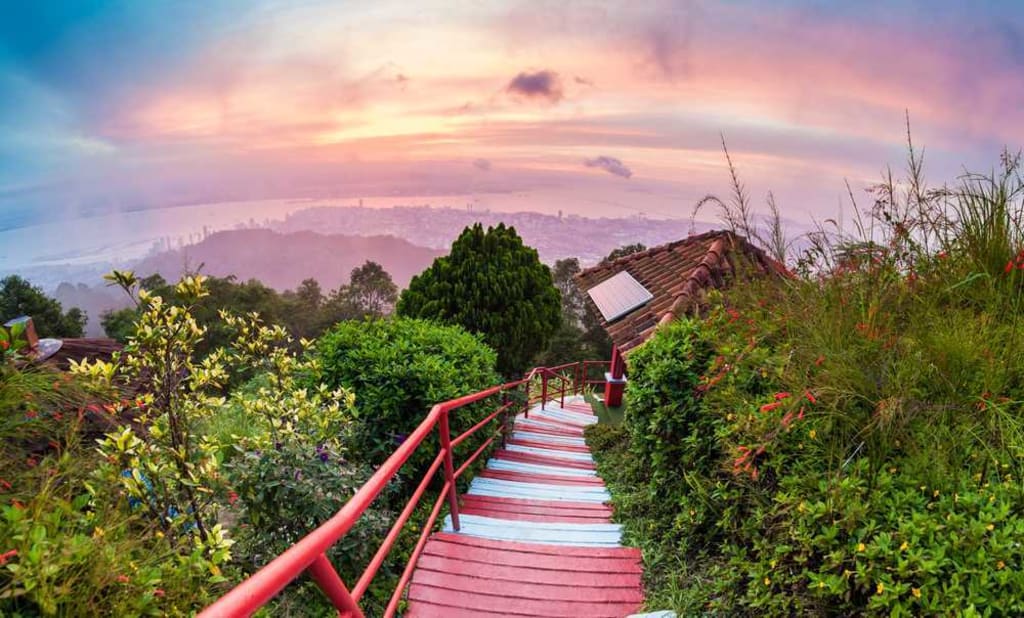
Beautiful Malaysia, the name brings up images of breathtaking landscapes, impressive architecture, delectable cuisine and a rich heritage worth exploring. George Town in Penang is one of the best places to visit when heading to Malaysia. Declared a UNESCO World Heritage Site in 2008, George Town offers fantastic encounters with centuries of history layered into its shophouses, clan temples, colonial landmarks, as well as multicultural traditions. Walking through its busy streets is like thumbing through the pages of a living history book, except here the pages smell of spices, sound like temple bells, and look like colourful murals. While many visit for the architecture or cuisine, appreciating its rich heritage is the best way to delve truly into George Town.
Tracing Colonial Footsteps
The city known as George Town today was founded all the way back in the year 1786. The honour of its inception goes to Captain Francis Light of the British East India Company. His arrival in Penang led to the transformation that you see today. One of the best places to start your journey is at Fort Cornwallis, which is the island’s oldest European-built structure. Although the fort never actually witnessed active combat, its star shaped walls remain remarkably well-preserved, housing old cannons, a chapel, and even a lighthouse. Just a short walk away, St George’s Church stands in quiet beauty. It is the oldest Anglican church in Southeast Asia, and is still used for worship today.
Places of Worship and Spiritual Coexistence
George Town is famous not only for its buildings, but also for the harmony with which its diverse communities coexist. Nowhere is this more evident than in the religious sites clustered within the heritage zone. The Kapitan Keling Mosque, founded in the early 1800s by Indian Muslim traders, is a prominent Islamic landmark. Just a short walk away, the Kuan Yin Temple offers a spiritual contrast, with its curling incense smoke and traditional Chinese rooflines. Nearby, Sri Mahamariamman Temple, the oldest Hindu temple in Penang, boasts intricate detailing and beautiful sculptures along the building. In many cities, such a mix of temples, mosques, and churches would feel out of place. In George Town, it feels natural. You could attend a church service, walk past a mosque, and light incense at a temple, all within a few city blocks. Staying nearby, at a well-placed Georgetown Penang hotel, allows you to explore these spaces leisurely. lyf Georgetown Penang is an excellent social-lifestyle apartment option for you to choose. This chic establishment boasts a number of spacious and functional rooms perfect for the modern traveller.
Living Legacy of Chinese Immigrants
George Town’s Chinese heritage is evident in its intricate clan houses and associations, many of which remain active today. One of the most visually arresting is Khoo Kongsi, a Hokkien clan house dating back to the 19th century. Lavishly adorned with stone carvings, gold leaf, and sweeping roofs, it was designed as a meeting hall and a monument to family prestige.
Street Life, Markets, and Murals
Heritage in George Town isn’t confined to museums; it spills out onto the streets. The city’s back alleys and side roads reveal many pieces of street art, much of which has become iconic. Ernest Zacharevic’s murals, including ‘Children on a Bicycle’ and ‘Boy on a Motorcycle’, are now emblematic of George Town’s creative spirit.
The Living Waterfront
George Town’s historical lifeblood was its port; remnants of this seafaring heritage remain. The Clan Jetties, particularly Chew Jetty, are stilt-house communities that date back to the 19th century. Built by Chinese immigrants, these wooden piers are still inhabited and retain their original character, despite the pull of tourism.
Final Thoughts
George Town isn’t a place you tick off a list; it’s a city you wander, feel, and return to. Its rich heritage isn’t preserved under glass; it’s dynamic, inhabited, and alive. Every corner tells a story that contributes to Penang's complex and colourful identity, from British forts to Chinese clan halls, from mosque minarets to street murals.
About the Creator
Keep reading
More stories from Jeewanthi Armstrong and writers in Journal and other communities.
How to Pack Like a Pro for Hong Kong
Packing for Hong Kong will truly test your knowledge on climate, culture, and common sense—especially when you’re trying to squeeze four seasons' worth of variety into one carry-on. A city where typhoons crash high tea, air-conditioning is a lifestyle, and temple visits might be followed by cocktails on a rooftop bar, Hong Kong demands thoughtful packing. Once you embrace the unpredictability of its weather, you’ll be able to pack like someone who’s done this before (even if you haven’t).
By Jeewanthi Armstrong6 months ago in Journal
The goals I did not achieve
Every writing goal I made for the year is a wash. It has been this way for a while, but I think it's important to be open about my failures and the reality of how life can get in the way. This is especially true considering the several times I have posted on Vocal about my writing goals, how I was changing my approach, and where I was hoping to be for the upcoming year. I will probably do that again in a couple months, but for now, it is time to acknowledge where I am today.
By Kay Husnick22 days ago in Journal
Finding Your Tribe: How to Spot Kindred Spirits and Create Meaningful Connections
In a world increasingly dominated by fleeting digital interactions, the longing for genuine connection and belonging resonates deeply. We yearn to find those individuals who "get" us, who share our values, passions, and perspectives – our kindred spirits. Identifying these individuals and forging meaningful connections with them can enrich our lives immeasurably, fostering a sense of purpose, belonging, and shared joy. But how do we navigate the crowded social landscape and successfully spot these kindred spirits amidst the noise? And, more importantly, how do we cultivate those initial sparks into lasting, fulfilling relationships?
By Wilson Igbasia day ago in Journal



Comments
There are no comments for this story
Be the first to respond and start the conversation.