
How to Pack Like a Pro for Hong Kong
The Ultimate All-Season Guide You’ll Wish You Had Sooner

Packing for Hong Kong will truly test your knowledge on climate, culture, and common sense—especially when you’re trying to squeeze four seasons' worth of variety into one carry-on. A city where typhoons crash high tea, air-conditioning is a lifestyle, and temple visits might be followed by cocktails on a rooftop bar, Hong Kong demands thoughtful packing. Once you embrace the unpredictability of its weather, you’ll be able to pack like someone who’s done this before (even if you haven’t).
The Weather
First and foremost, consider the weather—because it’s a full-blown personality trait in Hong Kong. If you’re visiting between March and May, think spring with a splash of humidity. Light layers are your best friend during these months. Temperatures are mild but not chilly, yet air-conditioned interiors could fool you into thinking it’s December. A lightweight jacket or cardigan will go further than you’d expect, especially when moving between the warm outdoors and the chilly malls and subways. Comfortable walking shoes are essential, as Hong Kong is a vertical city—elevators, stairs, and hilly paths await you.
Travelling from June to August
Summer in Hong Kong (June to August) is not for the faint of heart. The heat is intense, the humidity is relentless, and the rain—well, the rain sometimes feels personal. Breathable fabrics like cotton and linen will save your skin, while darker shades help mask any sweat stains (if it bothers you). It’s a smart move to carry a compact umbrella at all times, not just for the frequent downpours, but for the unforgiving midday sun. Also, a portable fan isn’t just a gimmick here—it’s your social and emotional support device.
Travelling from September to early December
Autumn, from September to early December, is arguably the best time to visit. The weather settles into a Goldilocks zone—not too hot, not too cold, and just humid enough to remind you you're still in Asia. Packing for this season is refreshingly straightforward. A few casual outfits and light layers to mix and match will get you through most days. Throw in one slightly dressier ensemble if you’re planning on hitting Hong Kong’s nightlife or booking a sunset slot at a rooftop bar. Locals tend to dress smart-casual even when grabbing bubble tea, so it’s worth keeping your look polished, just to feel like you're not being left out when you step outside your city hotel, like Dorsett Wanchai Hong Kong.
Travelling from December to February
If you're arriving in winter (December to February), you might be surprised at how cool Hong Kong can get. While it’s not exactly snowman weather, the chill is damp and sneaky. A medium-weight coat or puffer jacket works well, and layering is still key since indoor heating isn’t always guaranteed. Scarves and closed shoes are practical choices, especially if you plan to explore the many hiking trails that snake through the territory. Don’t pack heavy winter gear unless you’re particularly sensitive to the cold—save that space for the egg tarts and souvenirs you’ll inevitably bring back.
Dress code rules
Aside from the weather, Hong Kong’s dress code changes with context. Temples require respectful attire—covered shoulders and knees are the general rule of thumb. Keep one modest outfit ready if you plan on visiting religious sites like Man Mo Temple, even if it's just 11 minutes away from Hong Kong accommodations in the city centre. On the flip side, Hong Kong’s upscale dining and nightlife scenes give you a valid reason to glam up. A wrinkle-resistant shirt or a simple black dress can easily transition from a day of sightseeing to a fine dining evening at Victoria Peak.
The essentials
Don't forget the extras—the mundane but essential things that often make or break your trip. A universal power adapter is a must, as Hong Kong uses the British-style plug. Pack some basic meds—especially for motion sickness, because ferries, trams, and winding minibus rides can be jarring if you’re sensitive. A reusable water bottle helps you stay hydrated without contributing to plastic waste, and a small daypack is ideal for everything from market browsing in Mong Kok to temple-hopping in Lantau.
About the Creator
Keep reading
More stories from Jeewanthi Armstrong and writers in Journal and other communities.
How to Explore Singapore Like a Local
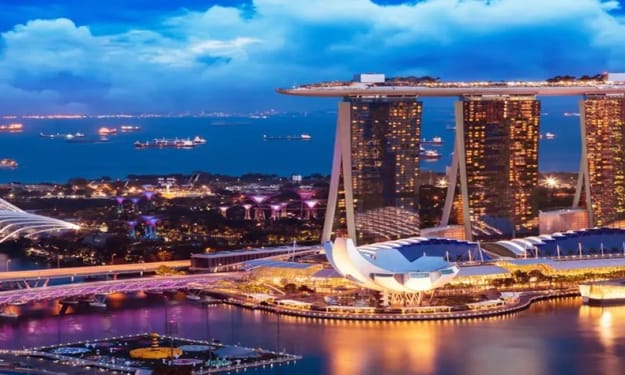
Despite its state-of-the-art infrastructure, futuristic landmarks, and “Crazy Rich Asians” tour, the city’s culture-rich core is warm, vibrant, and full of heart. Discovering Singapore through a local’s lens will open your eyes to more offbeat exhilarations, from old-world memory lanes showcasing repurposed shophouse cafes and mansion museums to lush parks with Insta-worthy backdrops, street art safaris through quirky ethnic enclaves, and hidden upmarket neighbourhoods to drool over.
By Jeewanthi Armstrong6 months ago in Journal
The Man Who Fixed the Clock
I didn’t notice the clock was broken until it stopped. It sat on the corner shelf of my grandparents’ living room for as long as I could remember—brass, ornate, with Roman numerals and a soft, steady tick that marked the rhythm of every visit. My grandfather wound it every Sunday without fail, even in his nineties, even when his hands shook.
By KAMRAN AHMAD6 days ago in Journal


Comments
There are no comments for this story
Be the first to respond and start the conversation.