
How Social Media is Changing the Medical Tourism Landscape
Social media platforms allow healthcare providers and medical tourism facilitators to showcase their services directly to potential clients.

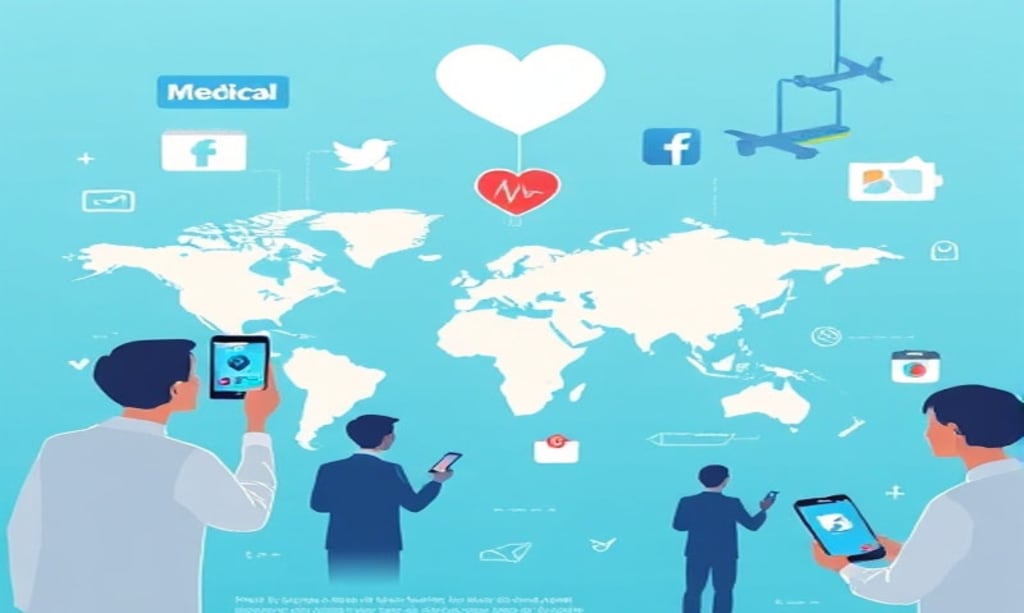
Social media has become a powerful tool that shapes industries worldwide, and medical tourism is no exception. Platforms like Instagram, YouTube, Facebook, and TikTok are redefining how potential patients research and choose medical destinations, making the once obscure world of medical tourism more accessible and transparent. Here's how these platforms are influencing medical tourism decisions globally.
1. Increased Accessibility to Information
Social media platforms allow healthcare providers and medical tourism facilitators to showcase their services directly to potential clients. Hospitals, clinics, and wellness centers use platforms like Instagram and Facebook to share testimonials, before-and-after photos, and facility tours, making it easier for patients to access detailed information about medical procedures and recovery environments.
For instance, Instagram reels and stories featuring high-quality visuals of modern hospital infrastructure and post-treatment recovery centers give patients a clear picture of what to expect. Similarly, YouTube videos offer in-depth narratives from patients who share their medical journeys, adding an extra layer of authenticity.
2. Building Trust Through Patient Testimonials
Patient experiences shared on social media have become a critical factor in influencing medical tourism decisions. Testimonials and reviews, especially those presented through video on platforms like YouTube, create a sense of trust and relatability. Potential patients can connect with others who have undergone similar treatments, gaining insights into the quality of care, procedural details, and recovery timelines.
For example, a patient sharing their journey of undergoing a hair transplant in Turkey or cardiac surgery in India can offer a detailed perspective, making these destinations more appealing to others considering similar procedures.
3. Targeted Advertising and Influencer Marketing
Social media’s advanced targeting capabilities allow medical tourism companies to reach specific demographics effectively. Ads promoting treatments like dental implants in Thailand or weight-loss surgeries in Mexico can be tailored to audiences searching for affordable medical solutions.
Moreover, influencers play a pivotal role in shaping opinions. Health and wellness influencers often collaborate with medical tourism companies to promote their services. A popular Instagram influencer sharing their positive experience of undergoing a procedure abroad can significantly boost the visibility and credibility of a medical facility.
4. Visual Appeal and Destination Promotion
One of social media's most significant impacts on medical tourism is its ability to showcase destinations visually. Platforms like Instagram and Pinterest focus heavily on aesthetics, making them ideal for promoting medical tourism destinations.
For instance, posts that highlight pristine hospital facilities, luxurious recovery suites, or serene wellness retreats surrounded by nature are compelling to potential patients. Medical tourists are not only interested in the quality of treatment but also the overall experience, including recovery and leisure opportunities.
5. Real-Time Communication and Engagement
Social media facilitates real-time interaction between patients and healthcare providers. Prospective patients can use messaging features on platforms like Facebook and Instagram to ask questions, clarify doubts, or even schedule consultations.
Live Q&A sessions hosted by doctors on YouTube or Instagram Live provide immediate answers to common queries about procedures, costs, and recovery, further bridging the information gap.
6. Community Building and Peer Support
Social media platforms also foster communities where individuals share their medical tourism experiences. Facebook groups and Reddit forums are particularly popular for discussing various aspects of medical travel, from choosing the right destination to understanding visa requirements.
These communities serve as support systems where members can exchange tips, recommend providers, and share honest reviews, making the decision-making process more informed and collaborative.
7. Highlighting Cost and Value Comparison
Platforms like TikTok and Instagram often feature bite-sized videos comparing the costs and benefits of medical procedures across countries. For example, a short video might compare the cost of cosmetic surgery in South Korea versus the United States, showcasing the affordability and quality of care in medical tourism hubs.
Such content demystifies the financial aspects of medical tourism, making it easier for patients to understand their options.
8. Addressing Concerns Through Transparency
One of the significant barriers to medical tourism is the perceived lack of transparency. Social media addresses this by allowing healthcare providers to share detailed information about their credentials, accreditations, and patient success stories.
For instance, YouTube channels run by hospitals often feature interviews with doctors, offering a glimpse into their expertise and the technologies they use. This transparency helps alleviate concerns about safety and quality.
9. Promoting Wellness and Holistic Healing
Social media has also contributed to the rise of wellness tourism, a subset of medical tourism focused on holistic healing. Platforms like Instagram are flooded with posts about Ayurvedic treatments in India, yoga retreats in Bali, and thermal spa therapies in Europe.
These visually appealing posts attract individuals looking for post-procedure recovery options that emphasize mental and physical well-being.
Conclusion: The Future of Medical Tourism in the Social Media Era
Social media is reshaping the medical tourism landscape by making it more accessible, transparent, and engaging. It empowers patients to make informed decisions by providing detailed information, authentic testimonials, and direct communication channels with healthcare providers.
As platforms evolve, the role of social media in medical tourism is only set to grow, offering even more personalized and interactive experiences for prospective medical tourists. Healthcare providers and facilitators who leverage social media effectively will find themselves at the forefront of this transformative shift, connecting with a global audience eager to explore healthcare solutions beyond borders.
About the Creator
Hello | Dania Medicare Solutions
Dania Medicare Solutions is a premier medical tourism company dedicated to offering patients access to top-tier healthcare services worldwide.
Keep reading
More stories from Hello | Dania Medicare Solutions and writers in Journal and other communities.
Women-Centric Treatments
India has emerged as a global hub for medical tourism, and one of its most significant contributions is its specialized focus on women’s health. With a blend of cutting-edge medical technology, highly skilled professionals, and holistic wellness options, India provides a diverse range of treatments tailored to women’s unique healthcare needs. From fertility care to gynecological surgeries and rejuvenating wellness therapies, India offers a comprehensive ecosystem for women seeking high-quality medical care at affordable prices.
By Hello | Dania Medicare Solutionsabout a year ago in Journal
Miss Persephone's Manual to a Seemingly Ordinary Life
Miss Persephone was found at the dining table, her blue eyes swollen, her tears arriving and retreating like the tides of the ocean. Earlier that day, her family had visited her in the retirement home where she had lived for eight years. It was her eightieth birthday.
By Imola Tóth4 days ago in Fiction



Comments (1)
Hello, just wanna let you know that if we use AI, then we have to choose the AI-Generated tag before publishing 😊