
How Social Media Hijacks Your Brain and How to Take It Back
How Social Media Hijacks Your Brain and How to Take It Back

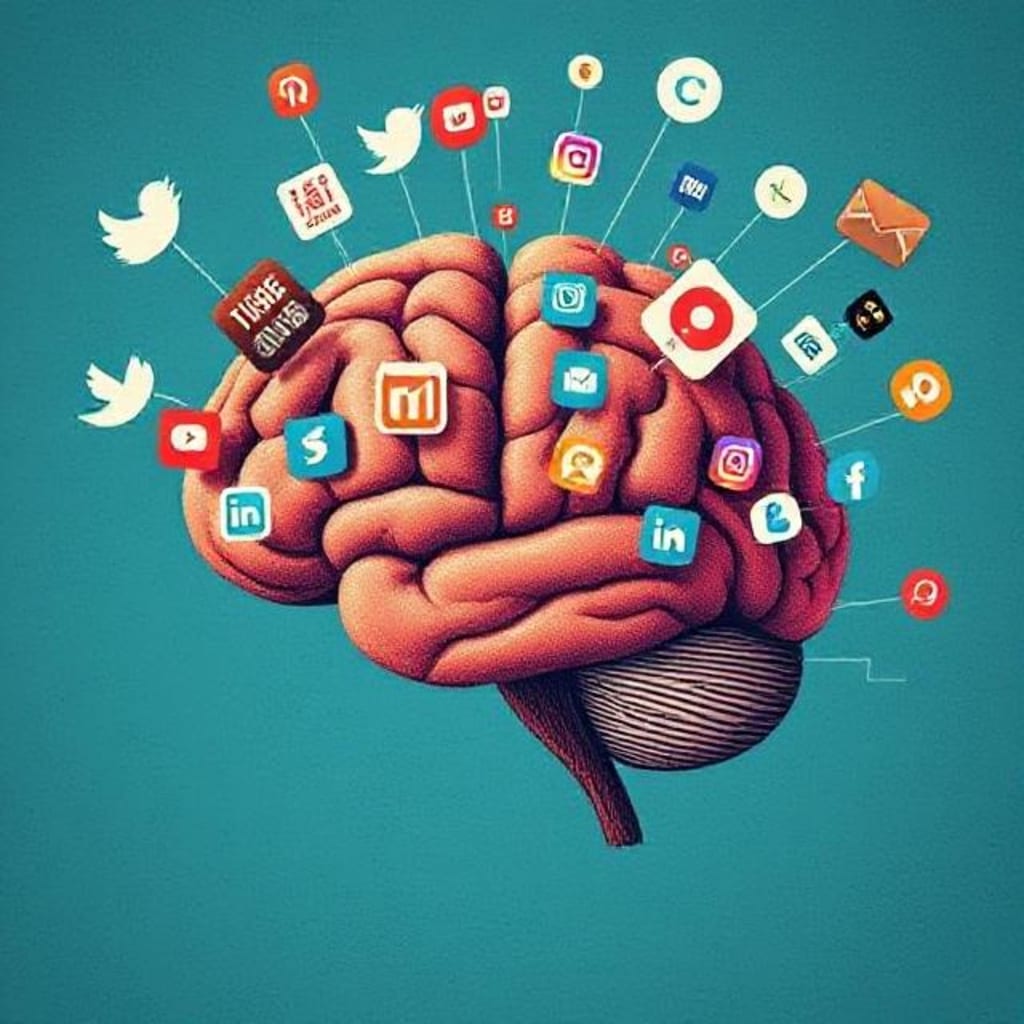
In the palm of your hand lies a world of endless entertainment, curated feeds, and instant gratification. A single swipe connects you to millions of lives. But behind the colorful filters and viral videos is a growing crisis—social media addiction.
It’s subtle, seductive, and surprisingly common. The average user spends nearly 2.5 hours per day on social platforms. That’s over 17 hours a week, or nearly 40 full days a year. But what are we giving up in return? Focus, sleep, mental health, real-world relationships—and often, control over our own time.
This article explores how social media impacts your mind, the science behind its addictive pull, and practical, research-based strategies to reclaim your digital freedom.
The Invisible Trap: What Is Social Media Addiction?
Social media addiction is more than just spending a lot of time online. It’s defined by compulsive use, anxiety when disconnected, and diminished control over usage. People who are addicted often recognize the negative impact—yet feel unable to stop.
According to a 2022 study published in Psychology of Popular Media, around 5–10% of users worldwide show signs of addiction. For teens, that number is even higher. The problem isn't just overuse—it's the emotional dependence and the way these platforms hijack our attention systems.
The Science of the Scroll: Why It’s So Addictive
Social media platforms are engineered for engagement. Algorithms learn what keeps you scrolling and serve up exactly that. But it goes deeper—into your brain chemistry.
Dopamine hits: Every like, comment, and share activates the brain’s reward center, releasing dopamine—the same neurotransmitter involved in gambling and drug use.
Variable rewards: You don’t know what content you’ll see next, or how people will respond to your post. This unpredictability makes it more addictive, similar to a slot machine.
Social validation: Humans are hardwired to seek approval. Social media exploits this by turning personal interactions into public metrics: likes, followers, views.
Over time, this repeated stimulation rewires neural pathways, reinforcing the habit. You crave the feedback loop, even when it no longer brings joy.
The Hidden Costs: What’s At Stake?
Though it often masquerades as harmless fun, excessive social media use can have real consequences for your mental, emotional, and even physical health.
Mental and Emotional Health
Increased anxiety and depression: Numerous studies, including a 2023 report by the Journal of Adolescent Health, have found a strong link between heavy social media use and mental health issues—especially among young people.
Chronic comparison: Seeing others’ highlight reels can lead to low self-esteem and dissatisfaction with your own life.
Fear of Missing Out (FOMO): The pressure to stay updated leads to compulsive checking and emotional exhaustion.
Cognitive Impacts
Shortened attention span: Constantly switching between apps and content fragments your focus and weakens your ability to concentrate.
Impaired memory: Studies show that heavy users often struggle with retaining information or completing deep work.
Physical and Lifestyle Effects
Sleep disruption: Blue light exposure and late-night scrolling interfere with natural sleep patterns.
Reduced productivity: Time spent scrolling is time not spent learning, creating, or connecting face-to-face.
Neglected relationships: Excessive screen time can replace quality time with loved ones, affecting intimacy and communication.
Red Flags: Signs You Might Be Addicted
You don’t have to delete all your apps to be healthy—but it’s worth asking: Am I in control, or is the platform?
Common signs of social media addiction include:
Reaching for your phone first thing in the morning
Feeling anxious or irritable when disconnected
Frequently checking social media during conversations or work
Losing track of time while scrolling
Struggling to cut back despite wanting to
If you recognize several of these patterns, you’re not alone—and you can take steps toward balance.
How to Break Free: Practical, Science-Backed Strategies
Escaping the grip of social media addiction doesn't require going off-grid. It starts with awareness, boundaries, and intention.
1. Audit Your Time
Use built-in screen time trackers or apps like RescueTime, Forest, or Moment to monitor your usage. You may be surprised by how much time you’re losing daily.
2. Set App Limits and Notifications
Most smartphones allow you to set daily time limits for specific apps. You can also disable non-essential notifications to minimize distractions.
3. Design a Healthier Feed
Unfollow accounts that make you feel inadequate, anxious, or angry. Follow creators who inspire, educate, or support your well-being.
4. Establish Tech-Free Zones
Make your bedroom, dining table, and work desk phone-free. Designate certain hours—like the first hour after waking—as social media–free.
5. Replace the Habit
Substitute scrolling with healthier activities: reading, journaling, walking, learning a new skill, or spending time offline with friends or family.
6. Schedule Detox Periods
Try going a full day, weekend, or even week without social media. Use that time to reset, reflect, and reconnect with the physical world.
7. Seek Support
If you’re struggling to manage on your own, talk to a therapist or counselor. Cognitive Behavioral Therapy (CBT) has been effective in treating digital addiction.
Toward a More Mindful Digital Life
Social media isn't inherently bad. It offers connection, creativity, and information. But without boundaries, it can become a trap that drains your attention, alters your self-worth, and chips away at your time.
Breaking free isn’t about abandoning technology—it’s about using it without being used. When you control your screen, instead of the other way around, you gain something priceless: your presence, your peace, and your power to choose how you spend your life.
Take a pause. Breathe. Look up. The world beyond the screen is waiting for you.
About the Creator
Fred Bradford
Philosophy, for me, is not just an intellectual pursuit but a way to continuously grow, question, and connect with others on a deeper level. By reflecting on ideas we challenge how we see the world and our place in it.
Keep reading
More stories from Fred Bradford and writers in Journal and other communities.
Wise Words from Musicians
1. Be True to Yourself “Wanting to be someone else is a waste of the person you are.” – Kurt Cobain Explanation: This quote addresses a deeply human struggle: the desire to fit in or live up to someone else’s expectations. Kurt Cobain, who himself wrestled with fame, alienation, and identity, points out that constantly comparing yourself to others or trying to mimic their success only distances you from your own path. Each person has their own strengths, flaws, voice, and story. Trying to be someone else erases the potential of who you already are. Instead of measuring yourself against others, this quote calls for radical self-acceptance and the courage to develop your own identity, even when it's misunderstood or unrefined.
By Fred Bradford9 months ago in Motivation
Trump Administration Announces Next Phase of Gaza Peace Plan
The Trump administration has announced the next phase of its Gaza peace plan, marking a new step in efforts to bring stability to a region that has faced months of conflict, destruction, and humanitarian suffering. This second phase, often called “Phase Two,” focuses on post-war governance, security, and rebuilding Gaza after intense fighting between Israel and Hamas.
By sehzeen fatimaa day ago in Journal


Comments
There are no comments for this story
Be the first to respond and start the conversation.