
How PCI DSS and HIPAA Compliance Differ In Data Protection
Explore the differences between PCI DSS and HIPAA compliance in data security services. Learn how each framework protects sensitive data with security measures.

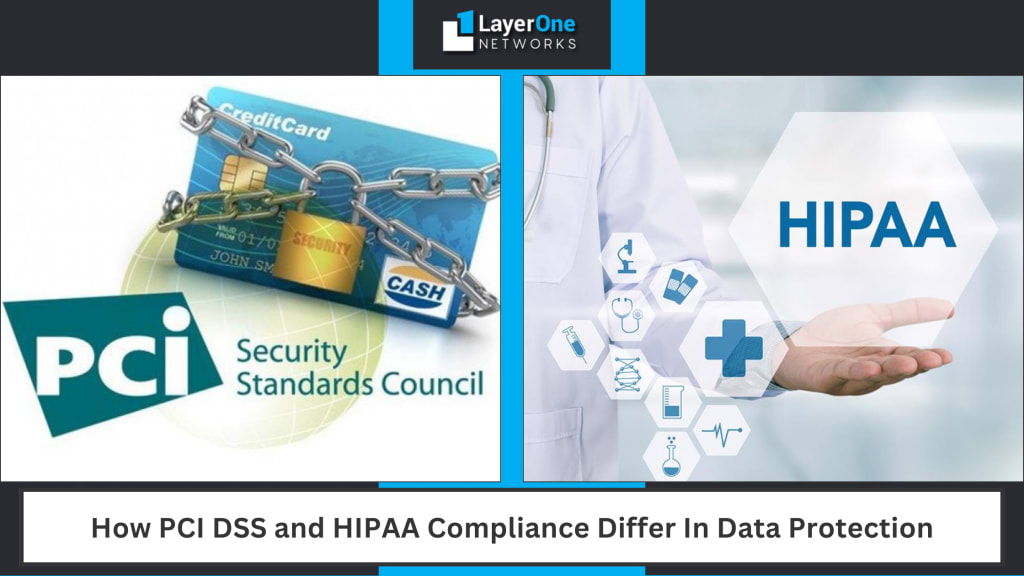
With technological innovation and advancements in digital platforms, the rise of online services allows businesses to execute operations securely. However, with the increasing adoption of digital transformation practices, data protection is critical for companies handling sensitive information.
Many organizations and enterprises handling healthcare records and payment information must follow strict compliance regulations, including PCI DSS and HIPAA compliance. While both frameworks aim to protect information through rigorous data security services, they serve different industries and have unique security measures, compliance needs, and enforcement mechanisms.
Understanding the precise differences between these two standards is essential for businesses to ensure robust compliance and effectively protect sensitive information. This blog discusses the crucial differences between industry regulation standards, such as HIPAA and PCI DSS compliance.
Understanding Both HIPAA and PCI DSS Compliance Standards
What Do You Mean By HIPAA Compliance Standard?
The HIPAA, Health Insurance Portability and Accountability Act was passed in 1996 to protect individuals' medical records and other personal health information. Strict HIPAA compliance ensures that healthcare providers, medical practitioners, insurers, and other covered entities follow strict security rules to safeguard patient-protected health information (PHI).
The strict HIPAA data security standards outline policies for role-based access controls, risk evaluations, and security measures to prevent unauthorized disclosure and data breaches.
What Is PCI DSS Compliance Standard?
The Payment Card Industry Data Security Standard (PCI/DSS) is an industry standard developed by renowned credit card companies to protect cardholder information. Businesses that securely store, process, and transmit payment information should comply with it to prevent advanced fraud and data breaches.
This standard sets advanced security measures, including firewalls, encryption, and multi-factor authentication, to secure financial transactions and ensure compliance with strict financial data protection laws.
Key Differences Between PCI DSS and HIPAA Compliance
Understanding the Various Categories of Protected Data
The strict HIPAA protects sensitive information, including patient medical records, treatment histories, and other personal health details. It ensures that covered organizations, such as healthcare institutions and health plans, implement security rules to prevent unauthorized access. In contrast, PCI DSS secures financial payment data, such as credit card numbers, CVVs, and expiration dates.
Both regulation standards aim to reduce the risk of severe data breaches by providing strict data security services, but they focus on different types of sensitive records.
The Scope and Industry Relevance of Compliance Standards
Payment card industry data security standard compliance focuses on the financial sector, specifically businesses that handle credit card transactions. Its primary goal is to protect cardholder details from fraud and unauthorized access.
In contrast, HIPAA applies to healthcare firms, including insurance companies, hospitals, and external third-party providers handling patient records. Its central concern is protecting personal information related to medical history, treatments, and insurance accountability and portability
Key Compliance Requirements: What Businesses Must Follow
HIPAA compliance requirements include security, privacy, and data breach notification rules. These strict rules show how healthcare organizations should handle, transmit, store, and safeguard patient data. In addition, it includes various strict factors such as:
- Implement administrative, physical, and technical security measures.
- Ensure encryption of electronic health records (EHRs).
- Restrict access to PHI using strict access controls.
- Develop robust policies to minimize and respond to data breaches.
- Conduct employee training on handling patient records.
PCI DSS compliance involves maintaining a secure network, encrypting cardholder information, and conducting regular security assessments. Failure to comply with either standard can result in strict penalties and organizational reputational damage. These compliance rules need various parameters, including:
- Encrypt cardholder data during transmission.
- Implement firewalls and robust antivirus software.
- Maintain secure network configurations.
- Restrict access based on business need-to-know principles.
- Conduct regular vulnerability scans and penetration testing.
Implementing Strong Security Measures and Access Controls
Both compliance standards enforce strict security measures, but they apply them differently. HIPAA mandates access controls based on user roles to ensure that only robust, authorized individuals can access medical records.
Organizations must also implement safeguards against network security threats, such as encryption, firewalls, and multi-factor authentication. PCI DSS similarly enforces strict access controls, focusing on using strong passwords, network segmentation, and precise vulnerability management to protect payment data.
Effective Risk Management and Incident Response Strategies
Both industry standards need organizations to implement risk management strategies and precise incident response plans. For instance, HIPAA mandates that covered entities conduct regular risk evaluations to identify vulnerabilities and implement corrective actions.
PCI DSS requires businesses to continuously monitor security systems and respond instantly to potential threats to protect cardholder details.
The Cost of Non-Compliance: Penalties and Legal Consequences
HIPAA violations can result in rigorous fines, some of which are based on the types of violations and the severity and intent of the data breach. The Department of Health and Human Services (HHS) enforces HIPAA regulations with remarkable penalties for repeated offenses.
For example, Payment Card Industry Data Security Standard non-compliance penalties vary based on the payment processor’s policies, and businesses may experience fines, increased transaction fees, or even loss of payment processing privileges.
Overlapping Features Of HIPAA and PCI DSS Compliance Using Data Security Services
Apart from their differences, both industry compliance standards share common objectives and security best practices, including:
- Enforcing access controls to limit unauthorized access.
- Implementing security measures to protect sensitive details.
- Conducting regular risk assessments to identify vulnerabilities.
- Mandating encryption for secure data storage and transmission.
- Requiring businesses to report and respond to data breaches promptly.
Ensuring Compliance With PCI DSS and HIPAA Compliance: Best Practices For Organizations
The organizations handling personal data or payment information must proactively ensure compliance with these security frameworks. The common strategies include:
- Employee Training: Educate staff on compliance standards and security rules to ensure proper data handling.
- Advanced Encryption Techniques: The firms can use cutting-edge strict encryption protocols to protect sensitive information during storage, rest, and transmission.
- Regular Security Audits: You can conduct periodic assessments, identify compliance gaps, and resolve potential risks.
- Implementing Access Controls: Limit and restrict data access to authorized personnel only, reducing exposure to robust data breaches.
- Monitoring Incident Response Plans: Develop continuous monitoring and an effective response strategy to reduce security threats.
Get Protection Of Sensitive Data Using Data Security Services With PCI DSS And HIPAA Compliance
HIPAA compliance and PCI DSS serve both industries but share the primary goal of protecting sensitive information. While HIPAA focuses on safeguarding personal health information in the medical and healthcare sectors, payment card industry data security standards ensure secure transaction processing in the financial industry.
Understanding their specific compliance needs, robust security measures, and enforcement policies is crucial for businesses to protect information, prevent breaches, and maintain regulatory compliance needs. Collaborating with a trusted IT consulting firm can help organizations implement best practices, stay updated on regulatory changes, and improve data security to build trust with stakeholders and customers.
About the Creator
Layer One Networks
We are IT Consulting Firm that helps to upsurge your business growth with our highly skilled team of IT experts. We provide the best IT support such as firewall protection, cloud services, VoIP, help desk, and server support.
Keep reading
More stories from Layer One Networks and writers in Journal and other communities.
Essential Disaster Recovery Checklist for Small Businesses
With the increased adoption of the latest tools and technology by businesses of any size, especially small businesses, higher efficiency and productivity in various tasks are achieved. However, small businesses are often the most vulnerable to threats when a disaster strikes.
By Layer One Networks12 months ago in Journal
The goals I did not achieve
Every writing goal I made for the year is a wash. It has been this way for a while, but I think it's important to be open about my failures and the reality of how life can get in the way. This is especially true considering the several times I have posted on Vocal about my writing goals, how I was changing my approach, and where I was hoping to be for the upcoming year. I will probably do that again in a couple months, but for now, it is time to acknowledge where I am today.
By Kay Husnick20 days ago in Journal
Why Kindred Spirit Connections Feel Calm Instead of Intense.
Kindred spirit connections are unique soul-level relationships marked by resonance, understanding, and emotional ease. Unlike romanticized or karmic connections, which often involve drama, high intensity, and emotional turbulence, kindred spirit relationships feel calm, peaceful, and aligned. Understanding why these connections create serenity rather than intensity can help you recognize, nurture, and maintain relationships that truly support your growth and well-being.
By Wilson Igbasi4 days ago in Journal


Comments
There are no comments for this story
Be the first to respond and start the conversation.