
How Minimalist Shop Designs Are Transforming Retail Spaces
How Are Minimalist Shop Designs Transforming Retail Spaces


The concept of minimalism was previously referred to as minority design. It is one of the trendiest retail designs that has recently gained a lot of popularity and has further emerged as a defining style in the world of retail. The simplicity, utility, and intentionality are precisely what distinguishes minimalist shop designs. These types of retail stores and shops aim at creating uncluttered and relaxing spaces that enhance the overall experience of the shoppers.
Minimalism is often associated with aesthetics. However, it is actually concerned with the shifts in consumer behaviours and changes in visual merchandising and overall retail strategy.
Through the medium of this article, we will discuss how minimalist store designs are transforming the retail environment. Hence, let's get started with it.
The Rise of Minimalism in Retail!
Minimalism in retail, as the name suggests, is a concept that is concerned with implementing the least possible things and still conveying our message adequately. This particular store design concept is inspired by Bauhaus and Japanese Zen beliefs, which emphasize the idea that "less is more."
In today's retail field, where customers are overwhelmed and overstimulated with advertising and information overload, minimalistic retail designs help brands provide their customers with a peaceful as well as distraction free environment that lets them take a break from their hectic schedule and comfort themselves for a while. And obviously, customers will value clean as well as properly ordered stores that provide them with immersive retail experiences.
The Latin Quarters adequately understood the assignment and decided to implement a retail transformation project. The brand hired the best ATL and BTL advertising agency, D'Art Design, to complete this project. The design agency conceptualized and executed a minimalist retail design that resulted in a neat and clean apparel showroom with a pretty straight graph.
Essential Features of Minimalist Shop Design!
Minimalist retail settings frequently feature the following elements:
1. Neutral Color Palettes: White, beige, and grey prevail, providing a clean canvas for products to shine.
2. Uncluttered Layouts: Stores are intended to minimize visual noise, with plenty of negative space to direct customer attention.
3. Functional Displays: Each fixture, shelf, or item serves a specific purpose, promoting efficiency and flow.
4. Sustainable Materials: Reclaimed wood, glass, and metal promote eco friendliness while maintaining minimalist aesthetics.
5. Strategic lighting: Soft, targeted lighting improves the environment and draws attention to specific products.
Challenges and Considerations With The Concept Of Minimalism In Retail!
Minimalist designs provide various benefits, but they also pose challenges. Some of them are mentioned below:
1. Risk of Sterility: The term sterility over here indicates the state of having no imagination, ideas, emotions, or energy. Extremely minimalist settings can feel chilly or impersonal. Hence, it is crucial for brands to balance minimalism with warmth.
2. Cost of Execution: Premium materials and high quality fixtures can be expensive. Hence, even though your store will include only a few retail elements, the overall cost will be higher than what is incurred in a traditional (cluttered) retail store.
3. Cultural Adaptation: Minimalism may not resonate equally in all places and demographics. Hence, retail brands need to ensure that they implement necessary changes according to the specific locations and customer requirements.
The Future of Minimalist Shopping Design!
As retail evolves, minimalism is anticipated to adapt and innovate. Some assumptions include the following points.
1. Integration and Sustainability: More stores are expected to adopt biodegradable materials and energy efficient designs, combining minimalism and green practices.
2. Experiential Minimalism: Brands will combine minimalist aesthetics with immersive experiences to create spaces that are both relaxing and engaging.
3. Customization through AI: Retailers may utilize AI powered tools to personalize minimalist rooms depending on local preferences and buying habits.
About the Creator
D'Art Design
D’Art Design is a leading global retail design agency. We integrate tactic to provide outstanding experiences, through brand communication and activation, brand design, promotion, and interior design.
Keep reading
More stories from D'Art Design and writers in Journal and other communities.
Why Does A Brand Consulting Agency Emphazise Implementing Suitable Colors In A Retail Design?
After reading the title, most of our audience will have a few common questions in their minds, including 'What function do colors play in interior design?' and 'What are the different ways to strategically and effectively use colors in a store interior design?'
By D'Art Designabout a year ago in Journal
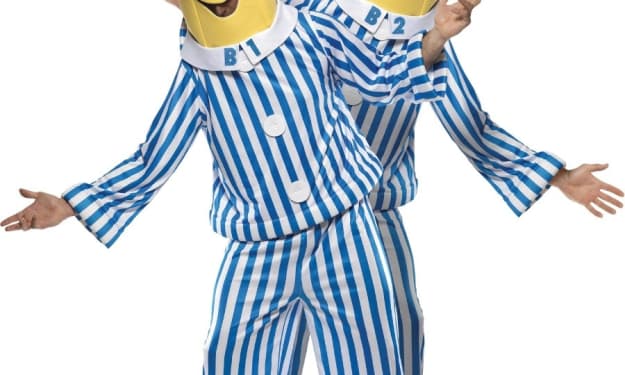
Bring some fruit-filled fun to the party with a hilarious and eye-catching banana outfit
Costumes are meant to spark laughter, start conversations, and make events more memorable. Few outfits accomplish that as effortlessly as a bright, oversized banana costume. Its bold yellow colour and playful shape guarantee instant visibility in any crowd. Whether you are heading to a themed party, Halloween event, fun run, or promotional gathering, this fruity ensemble delivers humour and charm in equal measure.
By Costumes in Australia3 days ago in Journal
Early March 2026: 4 Goals Accomplished
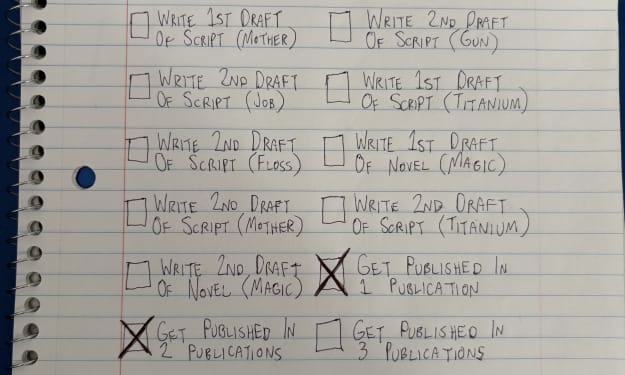
It's early March and I've now accomplished my 4th writing goal for the year of 2026. Before diving into the behind-the-scenes of it... why not tell you up front what that accomplishment was? I was published in a 2nd publication for this year. Published in Helix Literary Magazine out of Central Connecticut State University. You can read it for free right now!
By Stephen Kramer Avitabile3 days ago in Writers


Comments
There are no comments for this story
Be the first to respond and start the conversation.