
How Inflation Rebound Is Set to Affect UK Interest Rates
Rising price pressures could reshape monetary policy and household finances
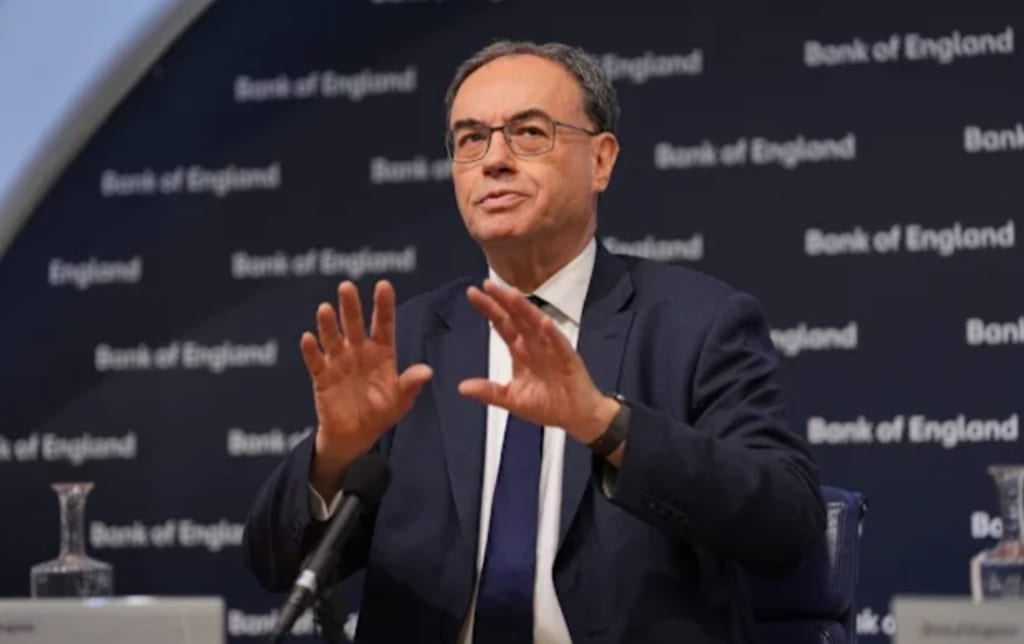
After a period of easing price growth, signs of a possible inflation rebound in the UK are raising questions about the future direction of interest rates. Economists, investors, and policymakers are closely watching new economic data to determine whether inflation is beginning to rise again and what that could mean for borrowing costs, savings rates, and the wider economy.
Inflation and interest rates are deeply connected. When inflation rises, central banks often increase interest rates to slow spending and stabilize prices. If inflation rebounds faster than expected, the Bank of England may be forced to reconsider its current policy stance.
What Is Causing the Inflation Rebound?
Several economic factors can trigger a rebound in inflation. While inflation may slow temporarily, underlying pressures can push prices upward again.
Possible drivers include:
Energy Price Volatility
Energy costs heavily influence inflation because they affect transportation, manufacturing, and household bills. Even small increases in global oil or gas prices can ripple across the economy.
Wage Growth Pressures
If wages rise quickly, businesses often pass higher labor costs to consumers through increased prices.
Supply Chain Disruptions
Global shipping delays, geopolitical tensions, or trade restrictions can increase costs for imported goods.
Consumer Spending Recovery
If consumers begin spending more after periods of economic caution, demand can push prices higher.
The combination of these factors can make inflation difficult to control over long periods.
Why Inflation Matters for Interest Rates
The Bank of England uses interest rates as its primary tool to manage inflation. When inflation rises above the target level, higher interest rates help reduce spending and borrowing, slowing price growth.
Higher interest rates usually:
Increase mortgage payments
Raise loan borrowing costs
Encourage saving over spending
Slow business expansion borrowing
If inflation rebounds strongly, the Bank of England may delay planned rate cuts or even consider rate increases.
The Bank of England’s Current Challenge
The Bank of England must balance two key goals:
Keeping inflation under control
Supporting economic growth and employment
If interest rates rise too quickly, it could slow the economy and increase unemployment. If rates stay too low during inflation growth, price increases could become harder to control later.
This delicate balance makes monetary policy decisions extremely complex.
Impact on Households
For households, changes in interest rates can directly affect everyday finances.
Mortgage Holders
Higher interest rates often lead to higher monthly mortgage payments, especially for those on variable or fixed-rate deals nearing renewal.
Renters
Higher borrowing costs for landlords can sometimes lead to rent increases.
Savings
Higher interest rates can benefit savers by increasing returns on savings accounts.
Cost of Living
If inflation rebounds, everyday expenses such as food, energy, and transport may rise.
Impact on Businesses
Businesses are also highly sensitive to interest rate changes.
Higher interest rates can:
Increase business loan costs
Reduce expansion and hiring plans
Lower consumer demand
However, controlled inflation can provide long-term economic stability, which benefits business planning.
Global Economic Influence
UK inflation and interest rates do not exist in isolation. Global economic trends often influence domestic policy decisions.
Key global factors include:
US Federal Reserve policy decisions
European Central Bank interest rate trends
Global commodity prices
International trade conditions
Because financial markets are interconnected, global inflation trends can impact UK monetary decisions.
Market Expectations and Investor Reaction
Financial markets closely watch inflation data. Bond yields, currency values, and stock markets often react quickly to inflation signals.
If inflation rebounds:
Bond yields may rise
The pound may strengthen or weaken depending on global conditions
Stock markets may experience volatility
Investors often adjust portfolios based on expectations of future rate changes.
Risks of Misjudging Inflation Trends
One of the biggest risks for central banks is misreading inflation signals. Acting too early or too late can have long-term economic consequences.
Possible risks include:
Prolonged high inflation if action is delayed
Economic slowdown if rates rise too aggressively
Financial market instability
Central banks rely heavily on data analysis and forecasting to reduce these risks.
What Could Happen Next?
Several possible scenarios could shape future UK interest rate decisions:
Scenario 1: Inflation Rises Moderately
The Bank of England may hold rates steady for longer.
Scenario 2: Inflation Rises Sharply
Rate hikes could return to control price growth.
Scenario 3: Inflation Stabilizes
Gradual rate cuts could support economic growth.
Economic forecasts remain uncertain, making future policy decisions highly data-dependent.
Why This Matters for the UK Economy
Inflation and interest rates influence nearly every part of the economy. From mortgages to business investment to government borrowing costs, these factors shape long-term economic health.
Stable inflation supports:
Strong consumer confidence
Sustainable business growth
Predictable financial markets
However, unexpected inflation rebounds can disrupt economic planning.
Conclusion
The possibility of an inflation rebound in the UK is creating uncertainty about the future path of interest rates. While inflation had shown signs of easing, ongoing economic pressures mean policymakers must remain cautious.
For households and businesses, the key takeaway is that interest rates may remain higher for longer if inflation begins rising again. The Bank of England’s challenge will be balancing inflation control with economic growth while navigating global economic uncertainty.
As new data emerges, the direction of UK monetary policy will likely remain flexible, reflecting the complex and evolving nature of the global economy.
About the Creator
Keep reading
More stories from Aarif Lashari and writers in Journal and other communities.
FTSE Hits Record High as Gold and Oil Tumble
The FTSE has reached a record high as global commodity prices, particularly gold and oil, experience notable declines. The market movement reflects shifting investor sentiment, changes in global economic outlooks, and evolving expectations around inflation and interest rates. While falling commodity prices often signal economic uncertainty, in this case they appear to have boosted investor confidence in equities, particularly in sectors that benefit from lower input and energy costs.
By Aarif Lashariabout 4 hours ago in Journal
~ Fired ~
— Ai Intrusion ~ Are you Next ~ Is Ai Evolution after your job? — Few workplaces haven't been affected. Ai is in supermarkets, at doctors' offices, and even monitoring farms. I just can't think of anything this machine is not getting into, can you? For instance: Education ~ Law and Tech jobs will one day have a major influence or be taken over by these inanimate machines, with accuracy and vigor. From mechanics' diagnoses to a wide variety of everyday jobs, including fast food workers, with this input having the ability to cut their unnecessary work hours. I'm certain all of us have been touched by this with our short stories and colorful headings, have you? Even comments are very questionable 'Non-Robot' insertions.
By Jay Kantor2 days ago in Journal


Comments
There are no comments for this story
Be the first to respond and start the conversation.