
FTSE Hits Record High as Gold and Oil Tumble
Stock market surge reflects shifting investor confidence and global economic signals
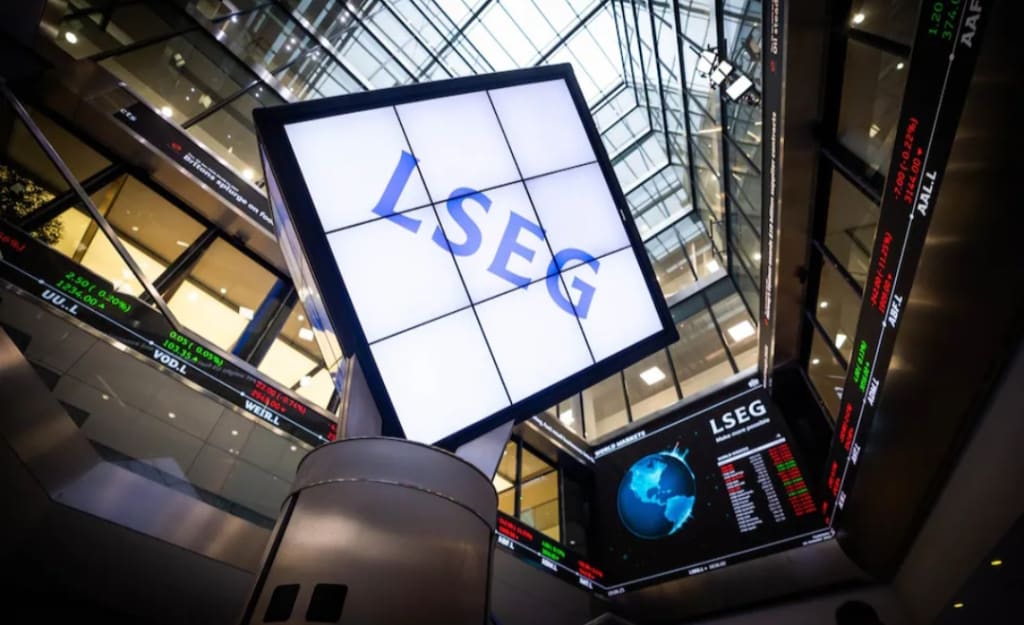
The FTSE has reached a record high as global commodity prices, particularly gold and oil, experience notable declines. The market movement reflects shifting investor sentiment, changes in global economic outlooks, and evolving expectations around inflation and interest rates. While falling commodity prices often signal economic uncertainty, in this case they appear to have boosted investor confidence in equities, particularly in sectors that benefit from lower input and energy costs.
The contrasting movement between equities and commodities highlights how interconnected global financial markets have become, with investors constantly adjusting portfolios in response to economic data, geopolitical developments, and monetary policy expectations.
Understanding the FTSE’s Record Performance
The FTSE (Financial Times Stock Exchange) index tracks the performance of major companies listed on the London Stock Exchange. When the FTSE reaches record highs, it usually reflects strong corporate earnings, investor optimism, or global capital flowing into equities.
Several factors are contributing to the FTSE’s strong performance:
Improved investor confidence in global economic stability
Strong performance in financial, retail, and technology sectors
Expectations of stable or falling interest rates in the future
Increased foreign investment into UK markets
Many analysts note that global diversification of FTSE-listed companies also shields the index from purely domestic economic pressures.
Why Gold Prices Are Falling
Gold is traditionally considered a “safe haven” asset. When investors are uncertain about economic conditions, they often move money into gold. When confidence returns, gold prices typically fall as investors shift back into higher-risk, higher-return assets like stocks.
Recent declines in gold prices may be linked to:
Stronger global equity markets
Reduced fear of immediate economic crisis
Stabilizing inflation expectations
Stronger currency performance in major economies
However, gold remains an important hedge against long-term uncertainty, and price fluctuations are common during periods of economic transition.
Oil Prices Drop: What It Means
Oil prices influence nearly every sector of the global economy. Lower oil prices can reduce business costs, lower transportation expenses, and ease inflation pressure.
Reasons oil prices may be falling include:
Increased global production
Lower-than-expected demand forecasts
Strategic petroleum reserve releases
Shifts toward renewable energy
For many companies listed on the FTSE, lower oil prices can improve profit margins, especially in industries such as manufacturing, retail, and logistics.
The Link Between Commodities and Stock Markets
Commodity prices and stock markets often move in opposite directions. When commodities fall, it can signal lower production costs, which boosts company profitability.
For example:
Lower fuel costs reduce shipping expenses
Reduced raw material prices improve manufacturing margins
Lower energy costs support consumer spending
This dynamic helps explain why the FTSE may rise even when commodities like gold and oil decline.
Global Economic Context
The record FTSE performance must be viewed within the broader global economic environment. Central banks worldwide are navigating complex economic conditions, balancing inflation control with economic growth.
Key global factors influencing markets include:
Interest rate policy signals from major central banks
Global trade recovery patterns
Supply chain normalization
Geopolitical stability in major economic regions
Financial markets often react quickly to even small changes in global economic forecasts.
Investor Behavior and Market Psychology
Investor psychology plays a major role in market performance. When confidence increases, investors are more likely to move capital into equities rather than defensive assets like gold.
Current investor behavior suggests:
Increased appetite for risk assets
Confidence in corporate earnings outlooks
Reduced panic-driven safe-haven buying
Greater focus on long-term growth sectors
Market momentum can sometimes sustain record highs even if underlying economic growth is moderate.
Potential Risks Ahead
Despite strong stock market performance, analysts warn that risks remain. Financial markets can change quickly due to unexpected events.
Possible risks include:
Sudden inflation spikes
Geopolitical conflicts affecting energy supply
Unexpected central bank policy shifts
Global recession fears
Investors often balance optimism with caution, especially when markets reach record highs.
What This Means for Everyday Investors
For individual investors, market trends can influence pensions, investment portfolios, and savings plans. Rising stock markets often improve long-term investment returns, but short-term volatility remains possible.
Experts often recommend:
Diversifying investments across asset classes
Avoiding emotional decision-making during market swings
Monitoring economic trends rather than daily price changes
Maintaining long-term financial planning strategies
Financial education remains key to navigating changing market conditions.
Why This Matters Globally
The FTSE’s record performance is not just a UK story—it reflects broader global capital flows and economic expectations. Global investors often treat major stock indexes as indicators of wider economic sentiment.
Strong equity performance combined with falling commodity prices may signal:
Improving supply chains
Stable global growth expectations
Lower inflation pressure
Strong corporate profitability outlooks
However, markets remain highly sensitive to economic surprises.
Conclusion
The FTSE reaching a record high while gold and oil prices tumble illustrates the complex relationship between commodities, equities, and investor sentiment. While falling commodity prices might signal economic caution in some contexts, they can also create favorable conditions for stock markets by lowering costs and boosting corporate margins.
As global economic conditions continue to evolve, investors and policymakers alike will be watching closely to see whether this trend represents a long-term shift or a short-term market cycle. For now, the FTSE’s record performance reflects renewed confidence in equities and a changing global financial landscape.
About the Creator
Keep reading
More stories from Aarif Lashari and writers in Journal and other communities.
Cautious Bank of England Poised to Keep Rates on Hold Despite Hiring Weakness
The Bank of England (BoE) is approaching its next monetary policy meeting with caution, signaling that interest rates are likely to remain on hold despite recent indicators of weakness in hiring. While the economy has shown resilience in some areas, challenges in the labor market and broader uncertainties have created a delicate balancing act for policymakers.
By Aarif Lashariabout 8 hours ago in Journal
~ Fired ~
— Ai Intrusion ~ Are you Next ~ Is Ai Evolution after your job? — Few workplaces haven't been affected. Ai is in supermarkets, at doctors' offices, and even monitoring farms. I just can't think of anything this machine is not getting into, can you? For instance: Education ~ Law and Tech jobs will one day have a major influence or be taken over by these inanimate machines, with accuracy and vigor. From mechanics' diagnoses to a wide variety of everyday jobs, including fast food workers, with this input having the ability to cut their unnecessary work hours. I'm certain all of us have been touched by this with our short stories and colorful headings, have you? Even comments are very questionable 'Non-Robot' insertions.
By Jay Kantor2 days ago in Journal
Dollar Steady After Friday Rally as Investors Weigh a Warsh-Led Fed, Commodity-Linked Currencies Soft
The U.S. dollar remained steady at the start of this week following a sharp rally on Friday, as investors digested the prospect of a Federal Reserve led by former Fed Governor Kevin Warsh. Market participants are weighing how a Warsh-led Fed could influence monetary policy, particularly regarding interest rates and inflation management. At the same time, commodity-linked currencies such as the Australian dollar, Canadian dollar, and New Zealand dollar continue to soften, reflecting ongoing weakness in metals and other raw materials.
By Salaar Jamaliabout 22 hours ago in Journal



Comments
There are no comments for this story
Be the first to respond and start the conversation.