
How I Lost 9 Kgs in Under 3 Months: My Calorie Deficit Journey
Discover the power of volume eating and a sustainable approach to weight loss

Losing weight can often feel like an uphill battle, but with the right strategy, it doesn’t have to be. My weight loss journey, during which I shed 9 kilograms in less than three months, wasn’t about starving myself or spending endless hours at the gym. Instead, I focused on a sustainable and effective approach: calorie deficit and volume eating.
What is a Calorie Deficit?
A calorie deficit simply means consuming fewer calories than your body needs to maintain its current weight. This creates an energy imbalance, prompting your body to tap into stored fat for fuel. It’s the fundamental principle behind all weight loss methods.
However, the key to success lies in how you achieve that deficit. Crash diets or extreme calorie restrictions can backfire, leaving you feeling hungry, fatigued, and frustrated. Instead, I chose a method that was both satisfying and sustainable: volume eating.
Understanding Volume Eating
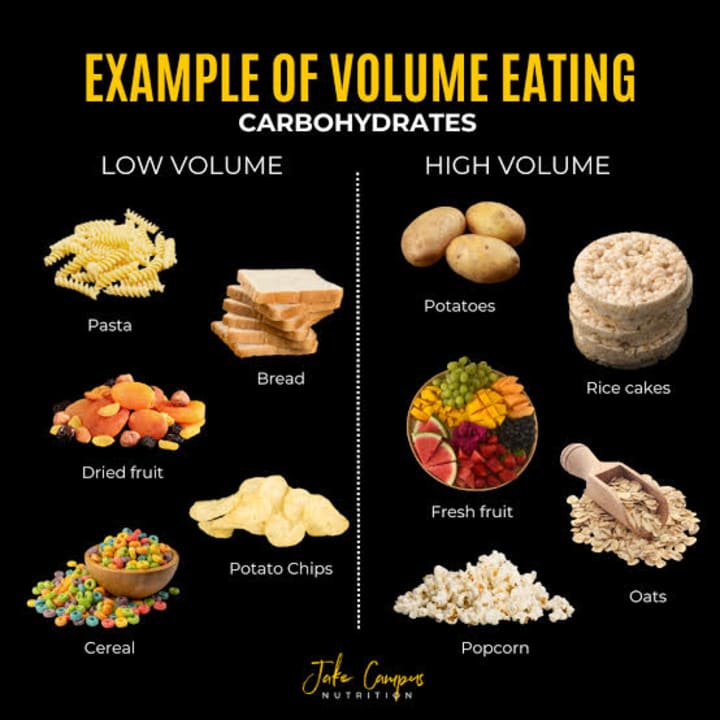
Volume eating focuses on consuming large portions of low-calorie, nutrient-dense foods. This allows you to feel full and satisfied without exceeding your calorie limit. Foods like fruits, vegetables, lean proteins, and whole grains are perfect for this.
The idea is simple: prioritize foods with high water and fiber content, as they tend to be lower in calories but more filling. For example, swapping a small handful of chips for a large bowl of air-popped popcorn or replacing sugary drinks with sparkling water can make a significant difference.
My Daily Routine
Here’s what a typical day looked like during my journey:
1. Breakfast
Scrambled egg whites with a generous serving of spinach and tomatoes.
A slice of whole-grain toast.
A side of mixed berries for a sweet touch.
This meal was high in protein and fiber, keeping me full until lunchtime.
2. Lunch
A large salad packed with leafy greens, cucumbers, bell peppers, and grilled chicken.
A light vinaigrette dressing.
A small sweet potato on the side.
The salad’s bulk and the sweet potato’s complex carbs provided long-lasting energy.
3. Snacks
Carrot and cucumber sticks with a tablespoon of hummus.
A handful of almonds (portion-controlled to avoid overeating).
These snacks were perfect for curbing hunger between meals.
4. Dinner
Grilled salmon or chicken breast.
Steamed broccoli, zucchini, and cauliflower.
A small portion of quinoa or brown rice.
Dinner was a balance of protein, healthy fats, and fiber to keep me satisfied through the evening.
5. Dessert
Greek yogurt with a sprinkle of cinnamon and a few slices of banana.
This low-calorie dessert satisfied my sweet tooth without derailing my calorie goals.
Key Strategies That Worked
Meal Prepping: Preparing meals in advance ensured I always had healthy options on hand, reducing the temptation to order takeout.
Mindful Eating: I paid attention to hunger cues and avoided eating out of boredom or stress. Eating slowly helped me enjoy my food and recognize when I was full.
Tracking Calories: Using a calorie-tracking app, I monitored my intake to stay within my target deficit. It also helped me identify areas where I could make healthier swaps.
Staying Active: While my primary focus was on diet, I incorporated regular exercise—mostly brisk walking and light strength training—to complement my efforts.
Challenges and How I Overcame Them
One of the biggest challenges was social events, where unhealthy food options were plentiful. To navigate this, I practiced portion control and focused on protein-rich options. I also reminded myself of my goals, which helped me stay on track.
Another challenge was dealing with occasional cravings for junk food. Instead of giving in, I found healthier alternatives. For instance, I swapped ice cream for frozen yogurt or chips for baked veggie crisps.
Results and Reflections
By the end of three months, I had lost 9 kilograms and, more importantly, felt healthier and more energetic. My skin improved, my sleep quality enhanced, and I noticed a boost in my overall mood.
This journey taught me that weight loss doesn’t have to be about deprivation. By focusing on nutritious, filling foods and listening to my body, I created a lifestyle that was both effective and enjoyable.
Final Thoughts
If you’re considering a weight loss journey, remember that patience and consistency are key. A calorie deficit combined with volume eating can help you achieve your goals without feeling like you’re missing out. Embrace the process, celebrate small victories, and trust that sustainable changes will lead to lasting results.
You don’t have to do it alone—share your journey with others, seek support, and most importantly, be kind to yourself. Weight loss is as much about mindset as it is about numbers, and with the right approach, you can achieve your goals too.
About the Creator
Keep reading
More stories from INFO INSIDER and writers in Journal and other communities.
My Review of Rockstar (2011)
When Imtiaz Ali’s Rockstar was released in 2011, it wasn’t just another Bollywood musical romance; it was an emotional upheaval, a journey that traversed the vast landscapes of love, heartbreak, and artistic passion. Starring Ranbir Kapoor and Nargis Fakhri, the film told a story that resonated with many for its raw intensity and haunting melodies. Even after over a decade, Rockstar remains a testament to the symbiotic relationship between art and suffering, as well as the transformative power of love.
By INFO INSIDER about a year ago in Journal
The goals I did not achieve
Every writing goal I made for the year is a wash. It has been this way for a while, but I think it's important to be open about my failures and the reality of how life can get in the way. This is especially true considering the several times I have posted on Vocal about my writing goals, how I was changing my approach, and where I was hoping to be for the upcoming year. I will probably do that again in a couple months, but for now, it is time to acknowledge where I am today.
By Kay Husnick23 days ago in Journal


Comments
There are no comments for this story
Be the first to respond and start the conversation.