
My Review of Rockstar (2011)
Imtiaz Ali’s Ode to Love, Pain, and Artistry


When Imtiaz Ali’s Rockstar was released in 2011, it wasn’t just another Bollywood musical romance; it was an emotional upheaval, a journey that traversed the vast landscapes of love, heartbreak, and artistic passion. Starring Ranbir Kapoor and Nargis Fakhri, the film told a story that resonated with many for its raw intensity and haunting melodies. Even after over a decade, Rockstar remains a testament to the symbiotic relationship between art and suffering, as well as the transformative power of love.

At its heart, Rockstar is about Janardhan Jakhar, or Jordan (played by Ranbir Kapoor), a naive college boy from Delhi who dreams of becoming a legendary musician. Guided by his idolization of legendary rock stars and their pain-ridden lives, Jordan sets out to experience heartbreak, believing it to be the missing ingredient in his otherwise mundane existence. His pursuit of emotional turmoil leads him to Heer (Nargis Fakhri), a spirited and enigmatic woman. What begins as a calculated attempt to court heartbreak evolves into a deeply passionate, albeit destructive, love affair. This journey transforms Janardhan into Jordan, the troubled rockstar whose pain becomes the source of his unparalleled artistry.
Ranbir Kapoor’s Stellar Performance
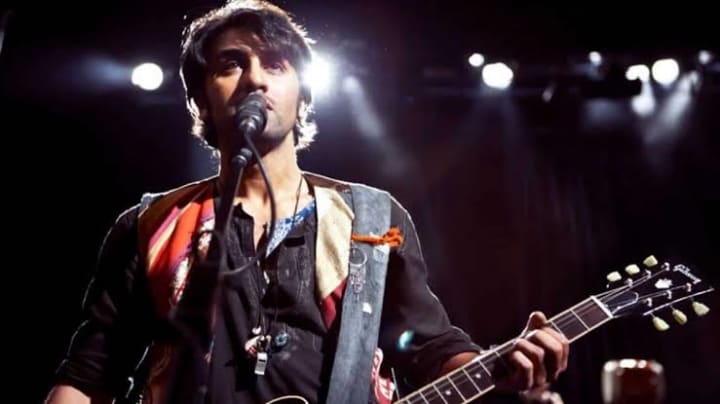
Ranbir Kapoor’s portrayal of Jordan is nothing short of spectacular. His transformation from the carefree, awkward Janardhan to the brooding, rebellious rockstar Jordan is seamless and deeply moving. Kapoor’s performance captures the vulnerability, anger, and anguish of his character, making Jordan one of the most memorable roles in his career. From his wide-eyed innocence in the film’s early moments to his fiery intensity on stage, Kapoor delivers a nuanced performance that anchors the film.
A Soul-Stirring Soundtrack
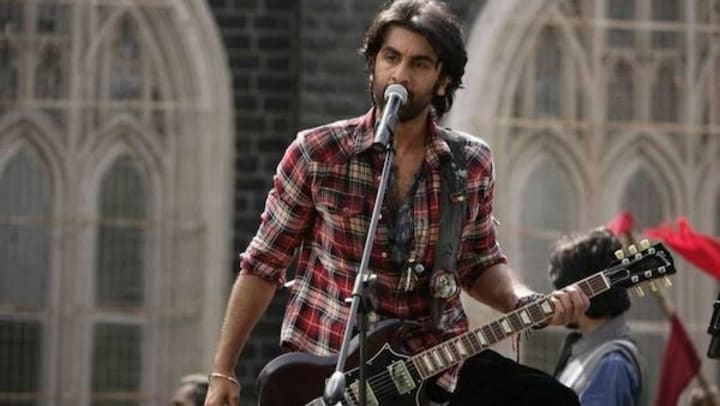
No review of Rockstar is complete without acknowledging its music, composed by the legendary A.R. Rahman. The soundtrack is the soul of the film, with songs like "Sadda Haq," "Nadaan Parindey," and "Tum Ho" becoming instant classics. Each track complements the narrative, reflecting Jordan’s emotional evolution. Rahman’s music, combined with Irshad Kamil’s poignant lyrics, elevates the storytelling to another level. The songs aren’t just background scores; they are Jordan’s voice, his emotions laid bare for the audience.
The use of "Kun Faya Kun" is particularly noteworthy. Set in the serene backdrop of the Hazrat Nizamuddin Dargah, the song captures Jordan’s moment of spiritual awakening. It’s a profound scene that underscores the divine connection between art and suffering, and Rahman’s composition imbues it with an almost transcendental quality.
Imtiaz Ali’s Vision
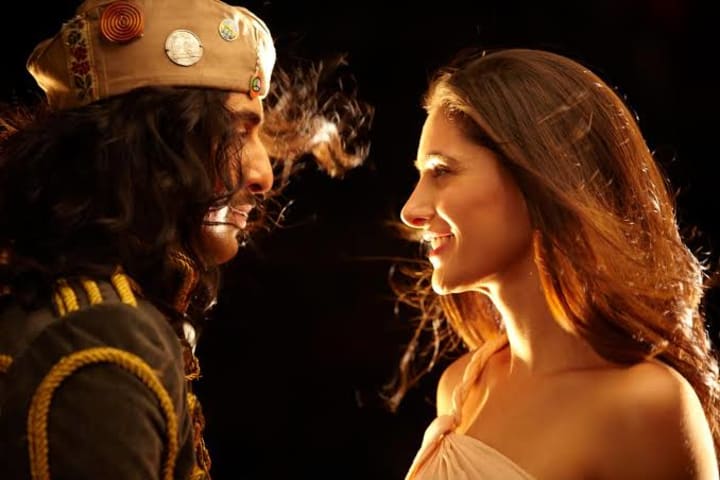
Imtiaz Ali, known for his exploration of complex human emotions, crafts Rockstar as a deeply personal and introspective film. His storytelling delves into the dichotomy of love and pain, presenting them as two sides of the same coin. Ali’s direction is marked by his ability to weave intricate emotional layers into the narrative, making the audience feel every joy and heartbreak alongside the characters.
The nonlinear narrative structure, which oscillates between Jordan’s rise to fame and his tumultuous past, adds depth to the storytelling. It’s a risky approach, but Ali’s execution ensures that the transitions feel organic rather than jarring. The juxtaposition of Jordan’s rockstar persona with his vulnerable, love-struck self creates a poignant contrast that lingers long after the credits roll.
The Flaws
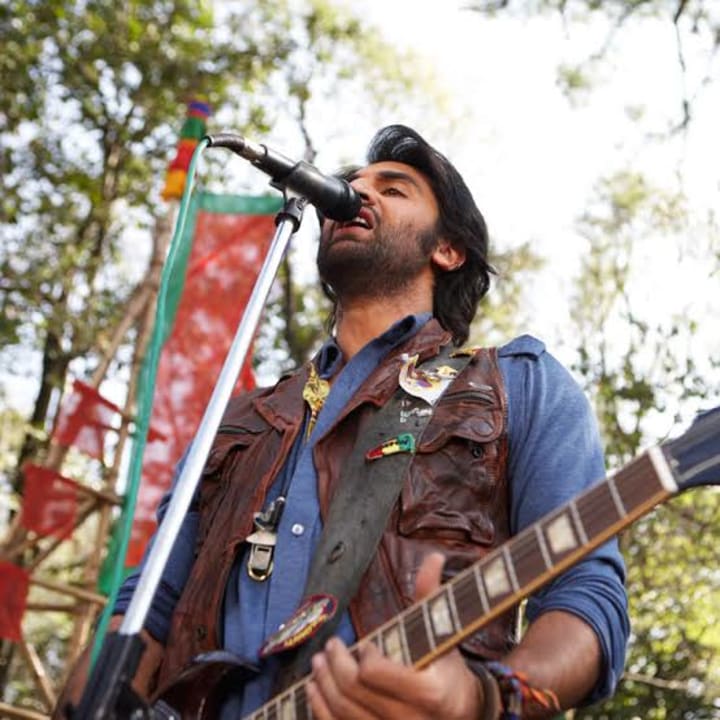
While Rockstar is undoubtedly a cinematic gem, it’s not without its flaws. Nargis Fakhri’s performance as Heer received mixed reviews. While she brings a certain charm to the character, her lack of experience as an actor sometimes shows, particularly in scenes demanding high emotional intensity. This creates an imbalance in the chemistry between Heer and Jordan, which is central to the film’s narrative.
Additionally, the film’s second half, which delves into Jordan’s self-destruction and Heer’s illness, occasionally feels overwrought. The pacing slows, and certain subplots are left underexplored, making the climax feel abrupt and slightly unfulfilling. However, these shortcomings don’t overshadow the film’s overall impact.
A Cinematic Experience
Visually, Rockstar is stunning. Anil Mehta’s cinematography captures the grandeur of Prague, the vibrancy of Delhi, and the spiritual calm of Kashmir with equal finesse. Each frame is a canvas that reflects the emotional tone of the story, enhancing the audience’s immersion in Jordan’s world. The concert sequences, in particular, are a visual and auditory treat, pulsating with energy and raw emotion.
The Legacy of Rockstar
More than a decade after its release, Rockstar continues to evoke strong emotions among its viewers. It’s a film that dares to delve into the darker aspects of love and ambition, presenting a narrative that’s as beautiful as it is heartbreaking. The themes of self-discovery, sacrifice, and the inextricable link between art and pain remain universally relatable, ensuring the film’s enduring appeal.
Rockstar is not just a film; it’s an experience. It’s a journey that reminds us of the transformative power of love and the price of artistic greatness. Despite its imperfections, the film’s emotional depth, stellar performances, and unforgettable music make it a masterpiece that stands the test of time. If you’ve ever loved deeply, longed for something unattainable, or found solace in music, Rockstar will resonate with your soul.
About the Creator
Keep reading
More stories from INFO INSIDER and writers in Journal and other communities.
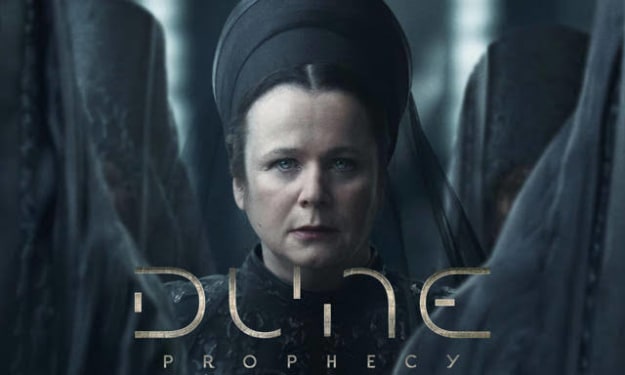
Dune: Prophecy Secures a Sequel Before Season Finale
When a television series garners enough excitement to secure a sequel before its debut season wraps, you know it's struck a chord. Such is the case for Dune: Prophecy, the sci-fi epic based on the expansive universe of Frank Herbert’s literary masterpiece. As audiences prepare for the first season's finale, the announcement of a sequel has electrified fans and cemented the show’s place as a cornerstone of modern science fiction television.
By INFO INSIDER about a year ago in Journal
3D Printed Gold: When Technology Redesigns a Love Story
The first time someone showed a 3D printed gold ring on a screen, it didn’t look like jewellery at all. It looked like a tiny, impossible sculpture: delicate honeycomb structures, curves that seemed to float, shapes that would snap under a traditional file or saw. Yet there it was — solid gold, perfectly polished, ready to be worn.
By Md Mehedi Hasan Rifad6 days ago in Journal


Comments
There are no comments for this story
Be the first to respond and start the conversation.