
How Can Advancements in 3D Printing Technology be Applied to Root Canal Procedures?
3D Printing Technology
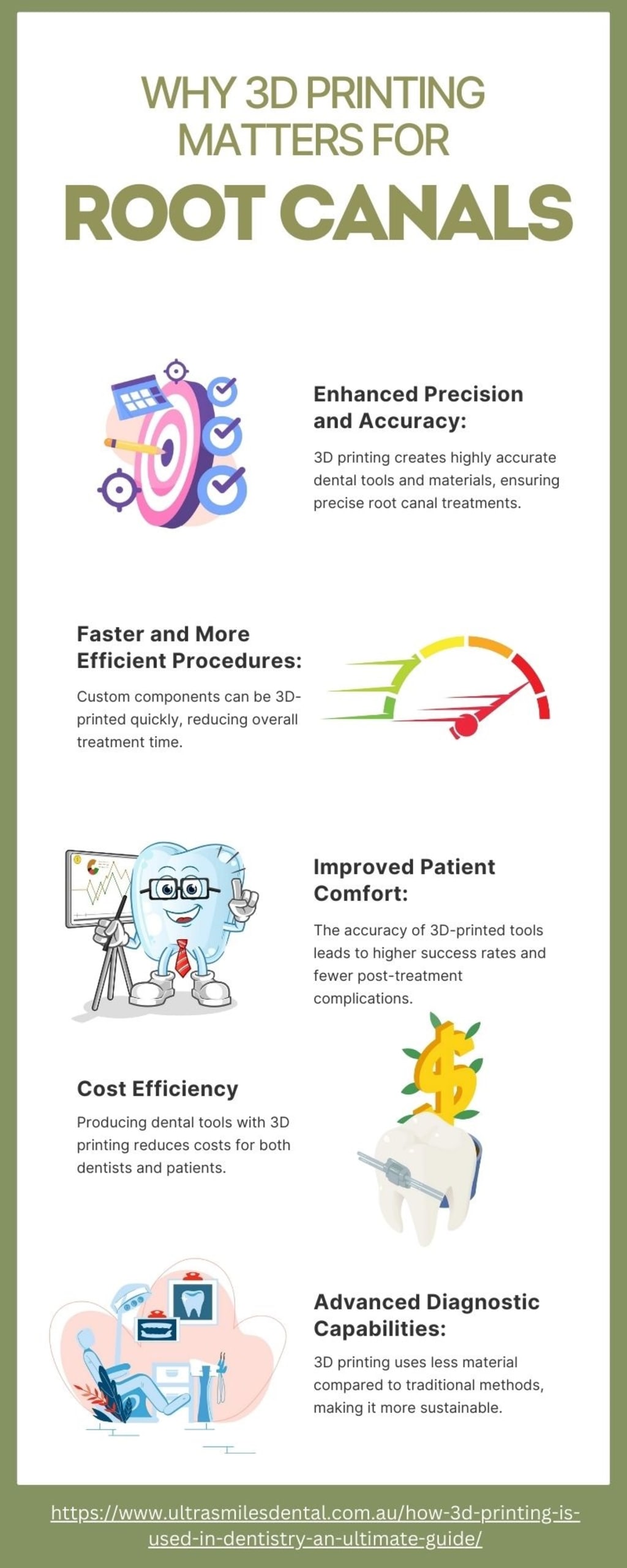
In recent years, 3D printing technology has made significant strides, transforming various industries, including healthcare. One area where these advancements are proving particularly valuable is in root canal procedures. Traditionally, root canals can be complex, requiring precision and careful planning. However, with the integration of 3D printing, dental professionals can now enhance treatment accuracy, streamline processes, and improve patient outcomes. This technology offers the potential for creating custom-made tools, enhancing diagnostics, and even producing personalized root canal treatments tailored to each patient’s unique anatomy. As 3D printing continues to evolve, its application in root canal procedures is set to revolutionize the way these treatments are performed, offering safer and more efficient solutions for patients.
Applications of 3D Printing in Root Canal Procedures
Advancements in 3D printing technology have brought numerous benefits to the dental field, particularly in the realm of root canal treatments. Below are some of the key ways this innovative technology is being applied:
1. Custom-Made Endodontic Tools
One of the most significant applications of 3D printing in root canals is the creation of custom endodontic tools. These tools, such as specialized files or guides, can be designed and printed to match the unique anatomy of a patient’s tooth. This customization enhances the precision of the procedure, reducing the risk of complications and improving overall treatment outcomes.
2. 3D Imaging and Treatment Planning
3D printing allows for the creation of highly detailed, accurate 3D models of a patient's tooth, including the root canals. By combining 3D imaging with printing, dentists can better plan the root canal procedure, visualizing the complexity of the root structure before beginning the treatment. This helps prevent errors and ensures that the procedure is tailored to the patient’s specific needs.
3. Personalized Root Canal Fillings
Another advancement in 3D printing is the production of personalized root canal fillings. With 3D printing, dental professionals can create customized filling materials that fit perfectly within the cleaned and shaped canals, providing a more effective seal. This personalized approach can reduce the chances of reinfection and improve long-term results.
4. Improved Post-Treatment Monitoring
3D printed models can also be used for post-treatment monitoring, enabling dentists to track the healing process more accurately. These models can be scanned and compared to the original 3D prints to detect any potential issues, such as infections or cracks, that may require intervention before they become serious problems.
5. Faster and More Efficient Procedures
By automating some aspects of root canal treatment through 3D printing, dental professionals can save time and resources. Procedures that once took longer to prepare for and execute can now be done more efficiently, benefiting both patients and dentists alike.
With these advancements, 3D printing is helping to streamline root canal procedures, enhance precision, and improve patient outcomes—ushering in a new era of dental care.
Benefits of 3D Printing in Root Canal Procedures
The integration of 3D printing into root canal treatments offers a range of advantages, both for dental professionals and patients. Below are the key benefits of this innovative technology:
1. Enhanced Precision and Accuracy
3D printing allows for the creation of highly detailed, custom tools and models that match the specific anatomy of a patient’s tooth. This enhanced precision helps dentists perform root canal procedures more accurately, minimizing the risk of errors and improving the overall success rate of the treatment.
2. Reduced Treatment Time
By using 3D-printed guides and tools, dental professionals can speed up the preparation and execution of root canal treatments. Customized tools and pre-planned 3D models reduce the time needed to manually adjust instruments during the procedure, leading to shorter treatment times and a more comfortable experience for the patient.
3. Minimized Risk of Complications
With the ability to precisely plan and visualize the root canal structure in 3D before performing the procedure, dentists can avoid common complications, such as perforations or missed canals. The enhanced visualization also allows for more effective cleaning and sealing of the canals, reducing the risk of reinfection.
4. Improved Patient Comfort
By reducing the number of steps in the procedure and improving its precision, 3D printing helps to make root canal treatments less invasive. This leads to less discomfort during the procedure and faster recovery times for patients. Additionally, personalized fillings and accurate sealing reduce the chances of future dental problems, contributing to better long-term oral health.
5. Cost-Effective Treatment
Although the initial investment in 3D printing technology can be substantial, the long-term cost savings are significant. By improving the efficiency and accuracy of root canal procedures, dental practices can reduce the need for follow-up appointments, repeated treatments, and costly complications. These savings can ultimately be passed on to patients, making 3D printing a cost-effective solution for root canal therapy.
6. Innovative Diagnostic Capabilities
With 3D printing, dentists can create accurate models of the patient’s teeth and jaw, offering improved diagnostic capabilities. This level of detail allows for more comprehensive treatment planning, ensuring that any potential issues are addressed before the procedure begins, leading to better outcomes and fewer surprises during treatment.
By revolutionizing the way root canal procedures are performed, 3D printing not only enhances the quality of care but also provides a more efficient, cost-effective, and patient-friendly approach to endodontics. As this technology continues to evolve, its role in dental treatments will undoubtedly expand, bringing even greater benefits to patients and dental professionals alike.
FAQs
How does 3D printing improve root canal treatments?
3D printing enhances root canal procedures by providing customized tools, such as guides and files, tailored to the specific anatomy of a patient’s tooth. This increased precision helps dentists perform the procedure more accurately, reducing the risk of complications and improving treatment outcomes.
Is 3D printing technology safe for root canal procedures?
Yes, 3D printing is safe when used by trained professionals. The technology allows for better treatment planning and precise tools, reducing human error and ensuring a more effective root canal procedure. The materials used in 3D printing are safe for use in the mouth and are FDA-approved for dental applications.
Does 3D printing reduce the time spent on root canal treatments?
Yes, 3D printing can significantly reduce the time spent on root canal procedures. Customized tools and pre-planned 3D models allow for faster execution of the treatment, making the process more efficient and shortening the overall treatment time for patients.
Can 3D printing reduce the need for follow-up visits?
Absolutely! With the precision provided by 3D printing, the root canal treatment is more likely to be successful the first time. Custom-made tools ensure that the root canals are properly cleaned, sealed, and shaped, reducing the risk of reinfection and the need for follow-up visits.
How much does 3D printing technology cost for root canal procedures?
While the initial investment in 3D printing technology can be high, it can lead to cost savings in the long run by improving treatment efficiency and reducing the risk of complications. Many dental practices find that the benefits, such as reduced treatment time and fewer follow-up visits, make the investment worthwhile.
About the Creator
Keep reading
More stories from Peter Mosis and writers in Journal and other communities.
Emergency Dentist vs. Regular Dentist: What's the Difference?
When faced with a dental issue, it’s essential to know where to turn for the right care. But what’s the difference between an emergency dentist and a regular dentist? While both provide essential dental services, they serve distinct roles in helping you maintain oral health. Regular dentists handle routine check-ups, preventive care, and scheduled treatments, while emergency dentists are there for urgent, unexpected dental problems that require immediate attention. Understanding the key differences between these two types of dental care can help you make the best choice when you’re in need, ensuring you receive prompt and appropriate treatment.
By Peter Mosisabout a year ago in Journal
Author’s Advice
If you would’ve asked me 20 years ago did I know I’d become a writer and an author, I would’ve said “nope, ain’t happening”. As fate would have it I did become an author and I can honestly say I’m loving it so far. It really does feel good to be a writer. I’ve learned a lot on this journey and I feel like with even me being as new to this world as I am, there’s some wisdom I need to share with every other aspiring author.
By Joe Patterson4 days ago in Journal
Mastering Operational Excellence
In today’s fast-paced business environment, organizations are constantly searching for ways to stay competitive, maintain quality, and scale efficiently. While strategy, innovation, and market positioning are important, the true differentiator often lies in operational excellence. It’s not a buzzword—it’s a discipline that transforms ordinary organizations into high-performing, resilient enterprises.
By Kenneth Kremsky5 days ago in Journal




Comments
There are no comments for this story
Be the first to respond and start the conversation.