
Hormonal Imbalance: Causes, Symptoms, and Effective Treatment Options
Understanding the Root Causes, Recognising Symptoms, and Exploring Treatment Solutions for Hormonal Imbalance

Are you experiencing unexplained weight gain, mood swings, or fatigue? Do you feel like your body is out of whack, but you can't quite put your finger on what's wrong? You're not alone. Hormonal imbalances are a common issue that affects millions of people worldwide. In this article, we'll delve into the causes, symptoms, and effective treatment options for hormonal imbalances, so you can take the first step towards regaining control over your body.
What are Hormones?
Before we dive into the nitty-gritty of hormonal imbalances, let's take a step back and understand what hormones are. Hormones are chemical messengers produced by glands in the endocrine system that regulate various bodily functions, such as growth, metabolism, reproduction, and mood. There are many different types of hormones, each with its own unique function. Some of the most well-known hormones include insulin, thyroid hormones, estrogen, testosterone, and cortisol.
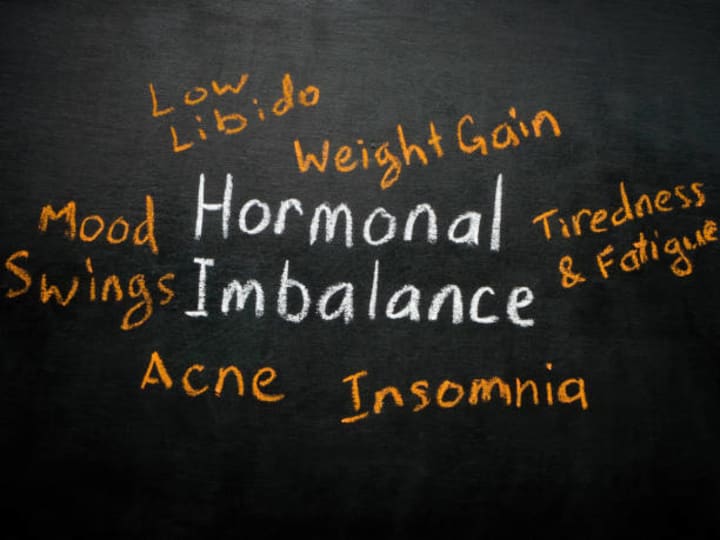
Causes of Hormonal Imbalance
So, what causes hormonal imbalances? There are many potential factors that can contribute to hormonal imbalances, including:
- Genetics: Some people may be more prone to hormonal imbalances due to their genetic makeup.
- Environmental Toxins: Exposure to environmental toxins, such as pesticides and heavy metals, can disrupt hormone production.
- Stress: Chronic stress can lead to an overproduction of cortisol, a hormone that can disrupt the balance of other hormones.
- Poor Diet: A diet high in processed foods and sugar can lead to insulin resistance and other hormonal imbalances.
- Sleep Deprivation: Lack of sleep can disrupt the body's natural hormonal rhythms.
- Medical Conditions: Certain medical conditions, such as polycystic ovary syndrome (PCOS), thyroid disorders, and Cushing's syndrome, can cause hormonal imbalances.
- Medications: Certain medications, such as birth control pills and steroids, can affect hormone levels.
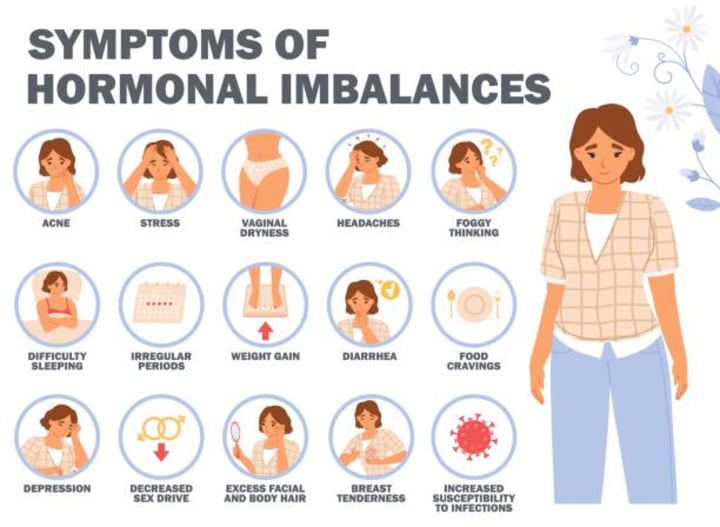
Symptoms of Hormonal Imbalance
So, how do you know if you have a hormonal imbalance? Here are some common symptoms to look out for:
- Unexplained weight gain or loss, particularly in the midsection.
- Irritability, anxiety, depression, or mood swings.
- Persistent fatigue or low energy.
- Insomnia, sleep apnea, or restless leg syndrome.
- Acne, dry skin, or thinning skin.
- Thinning or falling hair.
- Irregular periods, infertility, or low libido.
- Digestive Issues, Bloating, constipation, or diarrhea.
Effective Treatment Options
Fortunately, there are many effective treatment options available for hormonal imbalances. Here are some of the most common:
- Hormone Replacement Therapy (HRT): HRT involves taking synthetic hormones to replace those that are deficient or imbalanced.
- Lifestyle Changes: Making healthy lifestyle changes, such as eating a balanced diet, exercising regularly, and getting enough sleep, can help balance hormones.
- Supplements: Certain supplements, such as omega-3 fatty acids, vitamin D, and probiotics, Provestra Libido Booster can support hormone production and balance.
- Stress Management: Practicing stress-reducing techniques, such as yoga, meditation, or deep breathing, can help manage cortisol levels.
- Medications: In some cases, medications may be prescribed to treat underlying medical conditions that are contributing to hormonal imbalances.
Hormonal imbalances are a common issue that can affect anyone, regardless of age or sex. By understanding the causes, symptoms, and treatment options, you can take the first step towards regaining control over your body. Remember, hormonal imbalances are not a sign of weakness, and seeking help is the first step towards healing. Whether you choose conventional treatment options or natural remedies, there is hope for achieving hormonal balance and living a healthy, vibrant life.
Some Additional Tips-
- Pay attention to your body's symptoms and don't ignore them.
- Consult with a healthcare professional if you suspect a hormonal imbalance.
- Eat a balanced diet, exercise regularly, and get enough sleep to support hormone production and balance.
- Explore natural remedies, such as macca, chasteberry, and probiotics, to support Hormonal imbalances can take time to correct, so be patient and persistent in your treatment plan.
About the Creator
Lisa Henry
Passionate about women's health and wellness, I focus on empowering women with knowledge and solutions for hormonal balance, sexual wellness, and overall well-being.
Keep reading
More stories from Lisa Henry and writers in Journal and other communities.
Stress and Hormonal Imbalance: Breaking the Vicious Cycle
In our fast-paced, high-pressure world, stress has become a common experience for many. While occasional stress is natural, chronic stress can significantly impact the body, especially when it disrupts hormone balance. Hormones act as messengers within the body, regulating essential processes like metabolism, mood, and reproductive health. When chronic stress creates a hormonal imbalance, it often results in a cycle that can lead to long-term health issues. Understanding this relationship and finding ways to manage stress effectively can help break the cycle and restore balance.
By Lisa Henryabout a year ago in Journal
The Quiet Link Between Evening Light and Restless Sleep
For a long time, I believed my restless sleep was caused by what happened in my head. Too much thinking. Too much stress. Too many unfinished thoughts that followed me into the night. I tried calming routines, earlier bedtimes, and stricter boundaries around work. Some nights improved. Many did not.
By illumipure7 days ago in Journal




Comments
There are no comments for this story
Be the first to respond and start the conversation.