
Stress and Hormonal Imbalance: Breaking the Vicious Cycle
How Chronic Stress Disrupts Hormones and Practical Solutions to Restore Balance and Well-Being.

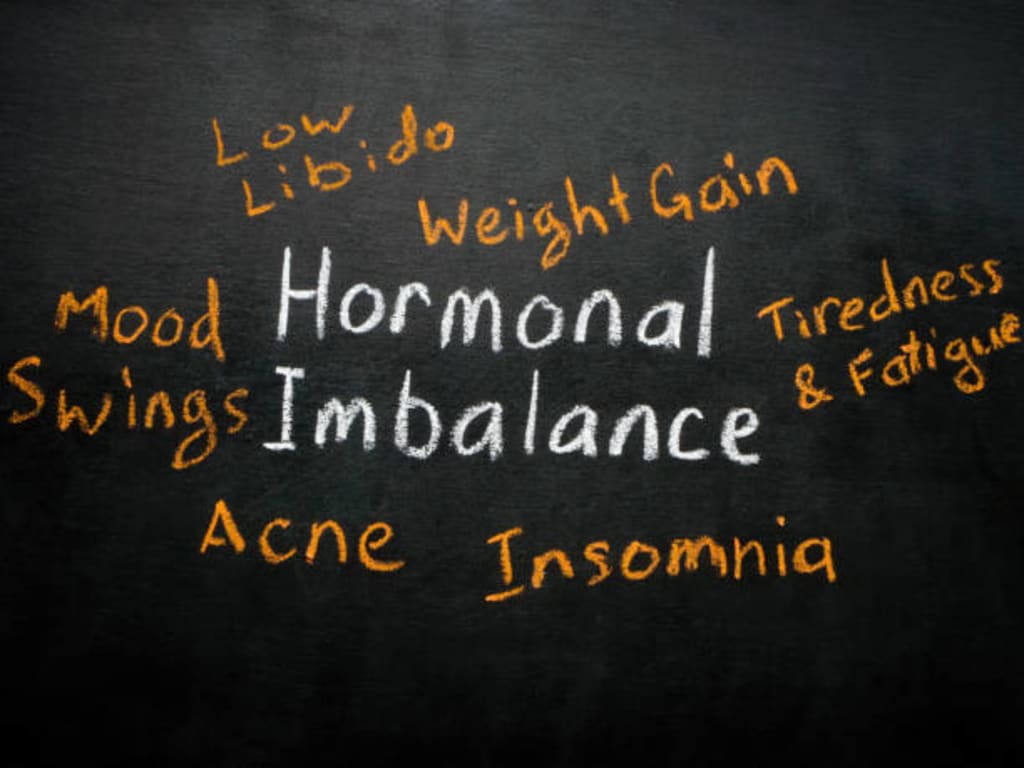
In our fast-paced, high-pressure world, stress has become a common experience for many. While occasional stress is natural, chronic stress can significantly impact the body, especially when it disrupts hormone balance. Hormones act as messengers within the body, regulating essential processes like metabolism, mood, and reproductive health. When chronic stress creates a hormonal imbalance, it often results in a cycle that can lead to long-term health issues. Understanding this relationship and finding ways to manage stress effectively can help break the cycle and restore balance.
How Stress Disrupts Hormones
When you encounter stress, your body releases hormones, primarily cortisol and adrenaline, to help respond. This is part of the “fight-or-flight” mechanism. In short bursts, it’s beneficial for dealing with immediate challenges, but prolonged stress leads to consistently high cortisol levels, disrupting hormone balance in various ways.
- High cortisol is linked to immune suppression, high blood pressure, and weight gain. Chronically elevated cortisol disrupts other hormones, including those regulating blood sugar and thyroid function.
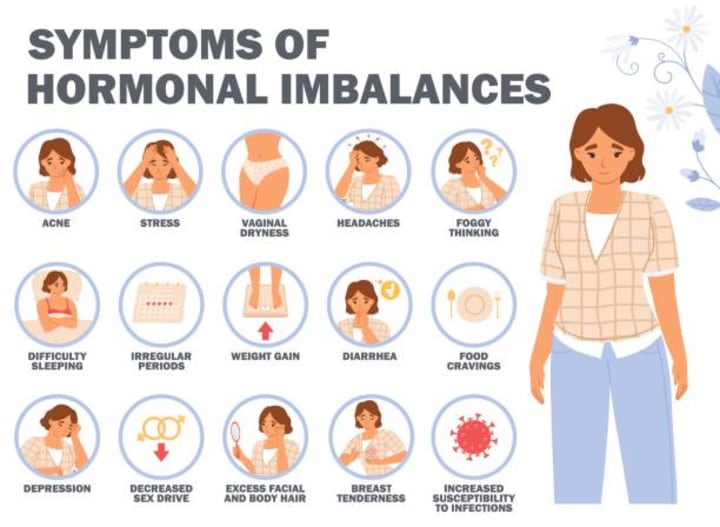
- For women, stress can interfere with estrogen and progesterone, leading to estrogen dominance. This imbalance may cause mood swings, irregular menstrual cycles, and, in severe cases, fertility issues. Men also experience a reduction in testosterone with prolonged stress, which can affect energy, mood, and libido.
- Chronic stress can cause insulin resistance, which affects blood sugar control. This can lead to fatigue, weight gain, and increased risk of type 2 diabetes, compounding stress further.
- Stress inhibits thyroid function, slowing metabolism and causing symptoms like weight gain and low energy, which can increase stress further.
Breaking the Cycle: Strategies for Managing Stress and Supporting Hormonal Health
Addressing stress and hormonal imbalance requires a well-rounded approach combining lifestyle changes, natural supplements, and, if necessary, medical intervention.
Stress-Management Techniques
- Mindfulness and Meditation: Techniques like deep breathing and guided meditation can reduce cortisol levels and help build resilience to stress.
- Physical Activity: Regular exercise releases endorphins that counteract stress. However, it’s essential not to overdo it, as intense exercise can increase cortisol.
- Quality Sleep: Sleep is critical for hormone regulation. Establishing a consistent sleep schedule, creating a relaxing bedtime routine, and minimising screen time before bed can improve sleep quality.
- Balanced Nutrition: A diet rich in whole foods and low in sugar can stabilise blood sugar levels, reducing the body’s stress response. Consuming enough protein, healthy fats, and fibre supports metabolic health and prevents hormone-disrupting insulin spikes.
Provestra and Other Natural Supplements
- Provestra: Provestra supplement specifically formulated to support hormonal balance in women, especially during periods of heightened stress. It contains natural ingredients like ashwagandha, black cohosh, and vitamin B6, which are known for supporting reproductive health, improving mood, and alleviating symptoms associated with hormone fluctuations.
- Magnesium: Known for its calming effects, magnesium supports muscle relaxation and can help reduce cortisol.
- Omega-3 Fatty Acids: Anti-inflammatory omega-3s support brain health and help the body respond to stress more effectively.
Medical Consultation For those with significant hormonal imbalance, a healthcare provider can help identify specific issues and may suggest therapies like bioidentical hormone therapy to restore balance.
The relationship between stress and hormones is complex but manageable. By understanding this link and implementing stress-reduction strategies—including the use of supplements like Provestra—individuals can break the cycle and restore balance. Proactively managing stress not only helps regulate hormones but also supports overall health and well-being. The goal isn’t to eliminate all stress but to build resilience, giving your body the tools it needs to maintain equilibrium and thrive.
About the Creator
Lisa Henry
Passionate about women's health and wellness, I focus on empowering women with knowledge and solutions for hormonal balance, sexual wellness, and overall well-being.
Keep reading
More stories from Lisa Henry and writers in Journal and other communities.
Hormonal Imbalance: Causes, Symptoms, and Effective Treatment Options
Are you experiencing unexplained weight gain, mood swings, or fatigue? Do you feel like your body is out of whack, but you can't quite put your finger on what's wrong? You're not alone. Hormonal imbalances are a common issue that affects millions of people worldwide. In this article, we'll delve into the causes, symptoms, and effective treatment options for hormonal imbalances, so you can take the first step towards regaining control over your body.
By Lisa Henryabout a year ago in Journal
Required Staff Qualifications for Residential Care Settings
Introduction Qualified staff ensure safe care. Residential services require competence. Clients depend on professional support. Proper staffing protects residents. Regulations demand minimum standards. Training supports service quality. Skills affect daily operations. Experience improves decision-making. Staff behavior impacts outcomes. Ethical practice is essential. Competent teams reduce risk. Quality care builds trust. Professional staff support recovery. Consistency improves stability. Qualifications protect residents. Standards guide hiring decisions. Prepared staff improve performance. Strong teams ensure safety.
By Abdul Mueed2 days ago in Journal




Comments
There are no comments for this story
Be the first to respond and start the conversation.