
Ground Cinnamon Recall Shaking American Kitchens
When Cinnamon Turns Toxic

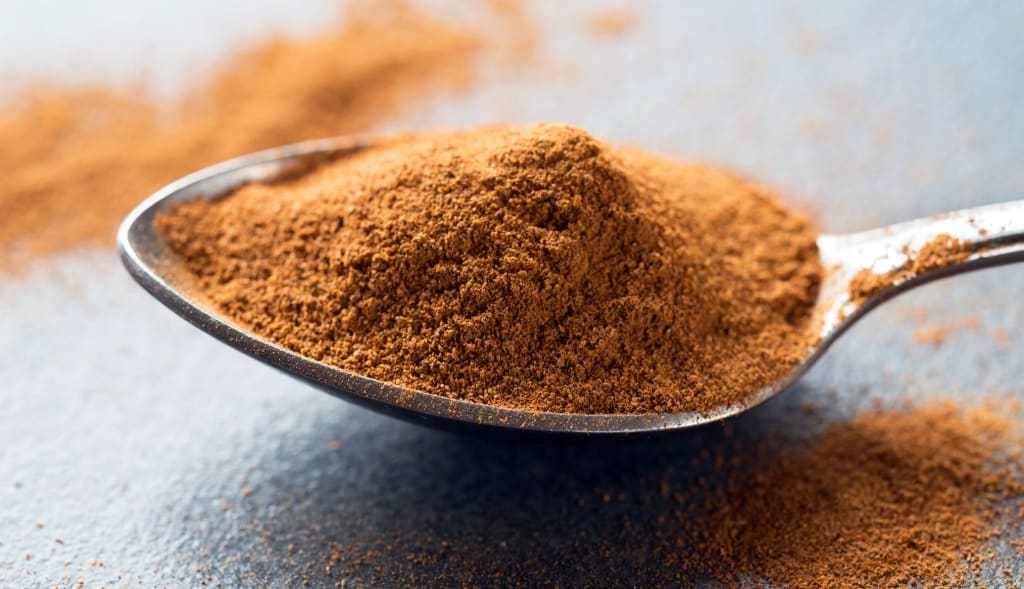
Imagine this: You open your spice cabinet, reach for that comforting jar of ground cinnamon — the same one that scents your morning oatmeal, your Sunday pancakes, your grandmother’s holiday cookies — and discover it could be laced with poison.
Not metaphorically. Literally.
That’s the chilling reality confronting American households as the FDA expands its ongoing recall of ground cinnamon products after finding elevated lead levels in 16 popular brands. What began as a quiet advisory has now erupted into a full-blown public health alert that’s making consumers question what’s really hiding in their kitchen spice racks.
This isn’t just a story about cinnamon. It’s a story about trust — trust in food, trust in regulators, and trust in a system that’s supposed to keep what we eat safe.
🌶️ The Sweet Spice That Turned Sour
Cinnamon — one of the world’s oldest and most beloved spices — has long symbolized warmth, comfort, and home. From apple pies to pumpkin spice lattes, it’s woven into America’s culinary DNA.
But in late 2024 and through 2025, that comforting aroma began to carry a darker undertone. Routine state and FDA testing revealed that several brands of ground cinnamon contained dangerous levels of lead, ranging from 2.03 to 7.68 parts per million (ppm) — numbers that might sound small, but in public health terms, they’re alarming.
The FDA’s benchmark for bottled water is just 5 ppm, and the Environmental Protection Agency caps public drinking water at 15 ppm. But here’s the problem: there is no known safe level of lead exposure. Even trace amounts can accumulate in the body over time, causing irreversible harm.
And unlike spoiled milk or moldy bread, lead gives no warning signs — it’s tasteless, odorless, invisible.
🚨 The Expanding Recall: 16 Brands and Counting
The recall began quietly but has now spread across 16 brands sold in multiple states, from Arkansas and California to New York and Florida. The FDA’s investigation found that several of these products were widely distributed through major grocery chains, dollar stores, and ethnic markets.
Here’s a closer look at some of the affected products and their lead levels:
Roshni Ground Cinnamon – 2.268 ppm
HAETAE Ground Cinnamon – 4.60 ppm
Durra Ground Cinnamon – 2.44 ppm
Wise Wife Ground Cinnamon – 2.49 ppm
Jiva Organics Ground Cinnamon – 2.29 ppm (sold by TAJ Supermarket)
Super Brand Cinnamon Powder – 6.60–7.68 ppm (sold by Asian Supermarket, Little Rock, AR)
Asli Cinnamon Powder – 2.32 ppm (sold by A&Y Global Market, Missouri)
El Chilar Ground Cinnamon – 3.75–7.01 ppm
Marcum Ground Cinnamon – 2.14–2.22 ppm (sold by Save A Lot)
SWAD Ground Cinnamon – 2.89 ppm (sold by Patel Brothers)
Supreme Tradition Ground Cinnamon – 2.37 ppm (sold by Dollar Tree)
Compania Indillor Orientale Ground Cinnamon – 2.23 ppm (sold by Eurogrocery)
ALB Flavor Ground Cinnamon – 3.93 ppm (sold by Eurogrocery)
Shahzada Cinnamon Powder – 2.03 ppm (sold by Premium Supermarket)
Spice Class Ground Cinnamon – 2.04 ppm (sold by Fish World, New York)
La Frontera Ground Cinnamon – 2.66 ppm (sold by Frutas Y Abarrotes Mexico, Inc.)
The FDA urges consumers to discard these products immediately and avoid buying them again, emphasizing that spices have long shelf lives — meaning contamination can linger in pantries for months or even years.
🧪 How Did Lead End Up in Cinnamon?
Lead contamination in spices isn’t new — but it’s deeply unsettling. The issue often traces back to the supply chain:
Contaminated soil or water used to grow the cinnamon trees.
Improper processing where spices are dried or stored in environments exposed to lead dust.
Or, in some disturbing cases, intentional adulteration — where suppliers add lead-containing pigments to make spices appear richer in color and more “premium.”
Each possibility represents a failure of oversight and an indictment of how fragile global food safety systems can be when profit outruns precaution.
⚖️ The FDA’s Warning: “No Safe Level of Lead Exposure”
While no illnesses have been directly linked to the recalled products, the FDA isn’t waiting for symptoms to appear. Lead acts slowly, creeping through the bloodstream like an invisible thief, stealing vitality molecule by molecule.
In children, it can lead to neurological damage, developmental delays, and learning difficulties.
In adults, it can trigger kidney dysfunction, hypertension, and cognitive decline.
For older adults, the consequences can be even more devastating — worsened memory, slower cognition, and increased risk of Alzheimer’s-like conditions.
As one FDA toxicologist put it, “Lead doesn’t just poison the body; it erodes the future.”
🏠 What Consumers Should Do Now
If you’ve purchased any of the recalled cinnamon brands, stop using them immediately.
Check your spice cabinet — especially older jars that may have escaped notice during past recalls.
Discard any affected products safely (do not compost or reuse containers).
Do not repurchase from the same brand unless the FDA has cleared it.
If a child or pregnant person may have been exposed, contact a healthcare provider for blood lead testing.
The FDA also encourages consumers to visit their official website for brand-specific refund details and product photos, ensuring people can accurately identify recalled products.
🧭 A Bigger Picture: Why Food Safety Still Fails in 2025
This cinnamon crisis isn’t an isolated scandal — it’s part of a pattern.
From contaminated baby formula to listeria-tainted fruits and arsenic in rice, food recalls have surged over the past decade. Experts blame globalization, fragmented supply chains, and inadequate regulatory enforcement.
As products cross borders, accountability gets diluted. What begins as a small batch of cinnamon bark in rural Asia can end up in millions of American households, all before one contaminated shipment gets flagged.
In short: our food system is only as strong as its weakest link — and too many links are invisible.
🔍 The Psychological Fallout: When Trust Is Contaminated
Cinnamon, for many, isn’t just a spice; it’s nostalgia. It’s your grandmother’s kitchen on a cold December morning. It’s the aroma that makes a house feel like a home.
So when something as innocent as a spice becomes a potential health hazard, it doesn’t just taint the food — it taints trust.
The recall forces an uncomfortable question: If even cinnamon can’t be trusted, what can?
And that’s the real toxicity here — not just lead, but the slow corrosion of consumer confidence.
💡 Lessons from the Recall: What Must Change
Tighter Supply Chain Transparency – Companies must trace their ingredients from farm to shelf, with verifiable safety data at each stage.
Mandatory Testing Before Distribution – Random checks aren’t enough. Every imported spice batch should meet safety thresholds.
Public Recall Databases – Easily searchable recall lists should be available on all major retailer websites, not buried in bureaucratic PDFs.
Consumer Awareness Campaigns – People should know how to read product labels, understand batch codes, and identify potential contamination signs.
Accountability for Manufacturers – Penalties must extend beyond fines. Brands that repeatedly violate food safety should face import bans and criminal charges.
🕰️ The Long Road Ahead
It’s easy to dismiss this as another recall headline that fades after a few weeks. But that would be a mistake.
Lead exposure’s effects don’t fade. They accumulate. Like rust on a bridge, they weaken the foundation of public health over time.
And cinnamon, once a symbol of sweetness, now serves as a bitter reminder: in the modern food economy, vigilance is the new ingredient for safety.
So next time you sprinkle that spice over your morning coffee, take a second look at the label. Not to fear it — but to respect it.
Because sometimes, the smallest things in our pantry hold the biggest stories about who’s really protecting us.
About the Creator
Omasanjuwa Ogharandukun
I'm a passionate writer & blogger crafting inspiring stories from everyday life. Through vivid words and thoughtful insights, I spark conversations and ignite change—one post at a time.
Keep reading
More stories from Omasanjuwa Ogharandukun and writers in Journal and other communities.
China’s Military Corruption Crackdown
When the dragon turns inward, even the generals tremble. In a dramatic purge that has sent shockwaves through China’s corridors of power, nine senior military officials — including two of the country’s most powerful generals — have been stripped of their Communist Party memberships and military ranks. Among them: He Weidong, former Vice Chairman of the Central Military Commission (CMC), and Miao Hua, former head of the CMC’s Political Work Department.
By Omasanjuwa Ogharandukun3 months ago in Journal
The Man Who Fixed the Clock
I didn’t notice the clock was broken until it stopped. It sat on the corner shelf of my grandparents’ living room for as long as I could remember—brass, ornate, with Roman numerals and a soft, steady tick that marked the rhythm of every visit. My grandfather wound it every Sunday without fail, even in his nineties, even when his hands shook.
By KAMRAN AHMAD7 days ago in Journal



Comments
There are no comments for this story
Be the first to respond and start the conversation.