
Gold Breaks New Record on Greenland Tariff Threats, with Forecast of $7,000 on the Cards
Geopolitical tensions over Greenland and looming tariff threats propel gold to record highs, with analysts forecasting a potential climb toward $7,000 per ounce


In a dramatic turn for global financial markets, gold prices have surged to unprecedented levels, driven by escalating geopolitical tensions centered around Greenland and fears of widening trade conflict between the United States and Europe. What was once a speculative spike has quickly morphed into a powerful rally, with gold breaking new records and market analysts now talking about the possibility of prices reaching $7,000 per ounce in the future. The simmering crisis highlights how geopolitical risk can rapidly reshape investor sentiment, asset prices, and risk premia worldwide.
The Greenland Catalyst: Tariffs and Geopolitical Shock
At the heart of the recent market action are threats of tariffs by the United States against several European nations tied to a controversial effort to acquire or assert influence over Greenland—an expansive Arctic territory rich in strategic importance. Recently, gold jumped above $4,800 per ounce, marking a new all-time high on the back of this turmoil. The surge was powered by safe‑haven demand as investors fled risk assets, drove down the U.S. dollar, and bid up precious metals.
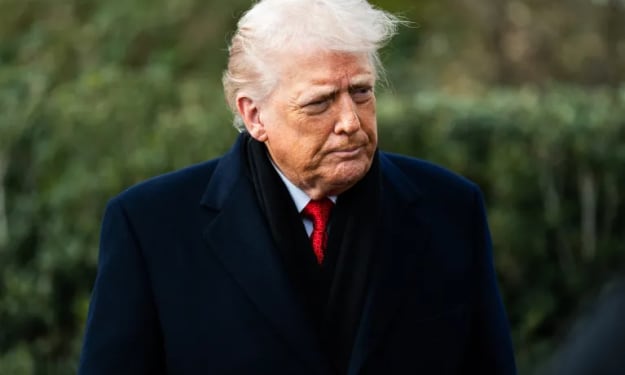
U.S. President Donald Trump has intensified his rhetoric on Greenland, linking tariff threats directly to his administration’s goal of gaining control of the island. Proposed tariffs—initially at 10% on imports from key European allies, rising to 25% by mid‑year if no agreement is reached—have rattled global markets. Major European economies such as France, Germany, the UK, and Scandinavia have vocally opposed these measures, raising fears of a transatlantic breach in trade relations.
Why Gold Is Rallying
Gold is traditionally viewed as a safe‑haven asset—a store of value that investors turn to during times of heightened uncertainty, inflation fears, or currency instability. The current rally reflects a convergence of several forces:
1. Geopolitical Risk and Trade War Fears
Investors are increasingly pricing in the possibility of a broader trade confrontation stemming from the Greenland disputes. Tariffs on European nations could spur retaliatory measures from the European Union, creating uncertainty about economic growth, supply chains, and global cooperation. This environment fuels demand for assets perceived as stable, such as gold.
2. Weakening U.S. Dollar
The ongoing tariff threat and risk‑off sentiment have pushed the U.S. dollar lower against major currencies. A weaker dollar typically makes gold cheaper for holders of other currencies, encouraging more buying and boosting prices further.
3. Safe‑Haven Flight Across Markets
Equities, bonds, and other risk assets have experienced sell‑offs amid the surge in geopolitical risk, as traders seek to preserve capital through hard assets. Such dynamics intensify gold’s appeal and contribute to upward price pressure.
Record Highs and Momentum
Gold’s recent record performance has been astonishing by historical standards. Spot gold has climbed decisively above $4,700–$4,800 per ounce, with intraday spikes reflecting extreme safe‑haven demand in real time. Analysts have highlighted this move as both a reflection of current risk appetites and an indicator of broader macro imbalances.
Silver has also been caught up in the rally, reaching fresh highs near $95 per ounce, underscoring the widespread flight into precious metals across the board.
Is $7,000 Gold on the Table?
While short‑term price moves are driven by immediate geopolitical developments, some analysts and market commentators are now discussing much more ambitious long‑term forecasts. Reaching $7,000 per ounce would require sustained risk aversion, continued dollar weakness, and ongoing demand from both private investors and central banks. Several factors could push prices toward such levels:
Prolonged Trade and Geopolitical Conflict: If tariff tensions escalate into broader economic sanctions or reciprocal strategies, markets could price in extended uncertainty.
Monetary Policy Divergence: Expectations of interest rate cuts in major economies could weaken real yields further, making non‑yielding assets like gold more attractive.
Inflationary Pressures: Rising inflation—fuelled by tariffs, supply chain disruptions, or fiscal expansion—can also elevate gold’s appeal as a hedge against currency depreciation.
While not unanimous, these perspectives reflect a growing belief in some corners of the financial world that gold’s defensive role could see it climb well beyond current records.
Risks and Market Dynamics
Despite the momentum, the path to $7,000 is not without obstacles. Markets can correct sharply if geopolitical tensions ease, if central banks tighten more aggressively to combat inflation, or if risk appetite returns rapidly. Gold’s sensitivity to interest rates and real yields means that shifts in global monetary policy could quickly temper its ascent.
Moreover, the very volatility that has lifted gold to record highs could introduce swift retracements if headlines change direction. Traders and long‑term investors alike should be mindful of gold’s dual nature as both a hedge and a speculative asset.
What This Means for Investors
For investors, the current rally underscores the importance of diversification and risk management. Gold’s performance demonstrates its value during periods of uncertainty—but also highlights how quickly markets can pivot. Holding exposure to gold can offer protection, but timing and allocation remain critical.
Institutional investors may increase gold positions as part of broader risk mitigation strategies, while individual investors should weigh exposure relative to personal financial goals and risk tolerance.
The Broader Economic Message
The record‑breaking surge in gold on Greenland tariff threats reflects something deeper than commodity speculation—it signals a global economy grappling with uncertainty, fractured alliances, and shifting risk perceptions. Whether gold continues to climb toward $7,000 or stabilizes at current peaks, the rally is a powerful reminder of how geopolitical events reverberate through financial markets.
In a world increasingly defined by tension and unpredictability, gold’s shine has never been brighter—both as a refuge and as a barometer of global investor sentiment.
About the Creator
Keep reading
More stories from Salaar Jamali and writers in Journal and other communities.
Lineups Outside the Door for Winnipeg Gold Retailers as Prices Surge
In Winnipeg, Manitoba, a remarkable phenomenon has been catching locals’ attention: queues of customers lining up outside gold retailers as the price of gold continues its historic ascent. Business owners, jewellers, and coin dealers alike are reporting spikes in both buying and selling activity, signalling a renewed fascination with the precious metal among everyday consumers and investors. This trend reflects broader economic forces at play—and it’s reshaping how people in Canada’s heartland think about wealth and financial security.
By Salaar Jamaliabout an hour ago in Journal
Global Stocks Slide as Trump’s Greenland Message Sparks Market Panic and Trade War Fears
Global financial markets woke up to a shockwave on Monday morning as investors digested an extraordinary message attributed to U.S. President Donald Trump, linking his long-standing desire to take control of Greenland to his failure to win the Nobel Peace Prize.
By Omasanjuwa Ogharandukun2 days ago in Journal



Comments
There are no comments for this story
Be the first to respond and start the conversation.