
Global Polyethylene Market to Reach $201.57 Billion by 2033: Packaging, Construction, and Sustainability Drive Growth
Rising urbanization, technological advancements, and eco-friendly innovations fuel the steady expansion of polyethylene, the world’s most widely used plastic.

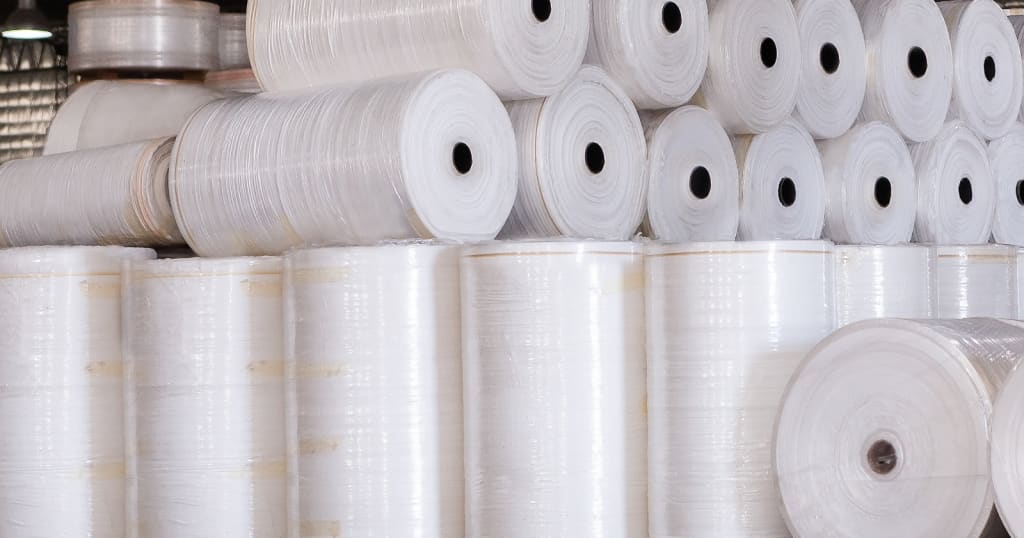
According to Renub Research Latest Report Polyethylene Market is projected to grow from US$ 154.22 billion in 2024 to US$ 201.57 billion by 2033, registering a CAGR of 3.02% from 2025 to 2033. This growth is primarily driven by technological advancements in end-use industries, rising demand for lightweight and affordable products, and continued expansion of packaging and construction sectors.
Polyethylene, a thermoplastic polymer derived from ethylene, remains the most commonly produced plastic worldwide. Its versatility allows it to serve in consumer products, packaging, construction, automotive, agriculture, and electronics. Common grades include Low-Density Polyethylene (LDPE), Linear Low-Density Polyethylene (LLDPE), and High-Density Polyethylene (HDPE), each tailored for specific applications.
The packaging industry, particularly for food and beverage applications, has been a major contributor to polyethylene demand, while urbanization, sustainability goals, and technological innovation continue to redefine market dynamics. Additionally, developing regions, notably in Asia-Pacific and the Middle East, are seeing rapid capacity expansion, strengthening exports and trade competitiveness.
Despite environmental and regulatory challenges surrounding plastic waste, continued R&D efforts, recycling innovations, and sustainable material alternatives support a positive long-term growth outlook.
Key Drivers of Polyethylene Market Growth
1. Rising Demand in the Packaging Sector
Polyethylene plays a critical role in the global packaging industry, especially for flexible packaging, films, bottles, and containers. The increasing trend toward convenience, prepackaged foods, and e-commerce has amplified the demand for lightweight, durable, and cost-effective materials.
The FMCG sector, particularly in emerging economies, further drives consumption. Polyethylene’s flexibility, moisture resistance, and durability give it a competitive advantage, while innovations like multilayer films and recyclable packaging expand applications and reinforce its dominance. The growing e-commerce industry also relies on polyethylene for protective shipping materials, supporting long-term demand.
2. Infrastructure Development and Construction
Global infrastructure projects and urban development have increased the demand for HDPE pipes, geomembranes, and insulation materials. HDPE’s corrosion resistance, flexibility, and durability make it ideal for telecom ducting, gas distribution, and water management systems.
Government investments in developing nations are promoting modernization of old infrastructure, and polyethylene’s low maintenance cost and versatility make it a preferred material. Additionally, the rise of green building initiatives and smart city projects is expected to incrementally boost polyethylene usage in construction.
3. Product Innovation and Technological Advancements
Advancements in catalyst technologies such as metallocene catalysts have improved polyethylene’s performance characteristics, producing stronger, lighter, and more flexible grades. Manufacturers can now develop specialty polyethylene for applications in high-barrier packaging, medical devices, and sustainable alternatives.
The industry is also focusing on bio-based polyethylene from renewable feedstocks, reducing carbon emissions and aligning with circular economy principles. Innovations in recycling methods, including chemical recycling, enable polyethylene to be reused more efficiently, increasing sustainability while enhancing market potential.
Challenges in the Polyethylene Market
1. Regulatory and Environmental Pressures
Polyethylene is facing growing scrutiny due to environmental concerns. Governments worldwide are imposing bans, recycling mandates, and extended producer responsibility (EPR) policies targeting single-use plastics, which account for a significant share of polyethylene consumption.
These policies require substantial investment in recycling infrastructure and sustainable product development. Failure to adapt quickly can limit market expansion. Public perception of plastic pollution also encourages companies to innovate or risk losing market share.
2. Price Volatility of Raw Materials
Ethylene, primarily derived from crude oil and natural gas, is subject to price fluctuations influenced by OPEC decisions, geopolitical tensions, and energy market disruptions. These variations impact production costs, budgeting, and margin stability.
Transitioning to bio-based feedstocks adds further complexity and costs. Raw material volatility remains a key challenge for polyethylene manufacturers, influencing both pricing strategies and investment decisions.
👉 For deeper analysis, detailed segment data, and company insights: 🔗 Request Customization Report
United States
The U.S. polyethylene market remains robust due to advanced production capabilities, abundant shale gas, and strong domestic demand. Major end-use sectors include packaging, construction, automotive, and consumer products.
The country has leveraged low-cost ethylene production to become a global polyethylene exporter. Investments in recycling infrastructure and circular economy initiatives are shaping future growth, while rising demand for high-performance packaging, particularly in food and e-commerce, strengthens domestic consumption. Leading players like Dow, ExxonMobil, and LyondellBasell continue to invest in innovation and capacity expansion.
United Kingdom
The UK market is characterized by government regulations and rising demand for eco-friendly packaging. While domestic production has declined, imports meet increasing needs for construction, agriculture, and packaging.
Environmental policies like the Plastic Packaging Tax and recycling mandates encourage adoption of bio-based and recyclable polyethylene, supporting circular economy initiatives. Brexit-related trade challenges have complicated supply chains, but innovation and policy support sustain market resilience. Sustainability and regulatory compliance remain defining features of the UK polyethylene market.
India
India’s polyethylene market is growing rapidly due to rising consumer demand, infrastructure development, and urbanization. Packaging remains the largest application, followed by automotive, construction, and agriculture.
Government programs such as Smart Cities Mission and Make in India drive demand for HDPE pipes and related products. With major companies like Indian Oil Corporation and Reliance Industries expanding capacity, domestic production is rising. Increasing environmental awareness encourages sustainable practices, although a significant portion of recycling is handled by the informal sector. India’s large population and growing middle class ensure sustained polyethylene demand.
United Arab Emirates
The UAE’s strategic location, petrochemical infrastructure, and export-oriented manufacturing support its polyethylene market. The country benefits from low-cost feedstock and serves as a key exporter in the Middle East.
Domestic demand is driven by industrial, construction, and packaging sectors, while government programs like Vision 2030 promote industrial diversification. Companies such as Borouge are expanding capacity and developing advanced polyethylene grades, responding to sustainability pressures and growing global demand.
Recent Developments in Polyethylene Industry
November 2023: NOVA Chemicals Corporation and Amcor signed a Memorandum of Understanding (MoU) for mechanically recycled polyethylene. Amcor will purchase recycled polyethylene from NOVA Chemicals, supporting sustainable packaging solutions and the circular economy.
Technological Initiatives: Companies are investing in bio-based polyethylene and chemical recycling, reducing environmental impact while maintaining material performance.
Capacity Expansion: Major players such as BASF, Borealis, Braskem, ExxonMobil, Formosa Plastics, INEOS, LG Chem, LyondellBasell, MOL Group, and Mitsubishi Chemical continue expanding production capacity to meet growing global demand.
Polyethylene Market Segmentation
By Product:
Low-Density Polyethylene (LDPE)
High-Density Polyethylene (HDPE)
Linear Low-Density Polyethylene (LLDPE)
By Application:
Bottles & Containers
Films & Sheets
Bags & Sacks
Pipes & Fittings
Other Applications
By End-Use:
Packaging
Construction
Automotive
Agriculture
Consumer Electronics
Other End-Uses
By Region:
North America: U.S., Canada
Europe: France, Germany, Italy, Spain, U.K., Belgium, Netherlands, Turkey
Asia-Pacific: China, Japan, India, South Korea, Thailand, Malaysia, Indonesia, Australia, New Zealand
Latin America: Brazil, Mexico, Argentina
Middle East & Africa: Saudi Arabia, UAE, South Africa
Conclusion
The global polyethylene market is positioned for steady growth through 2033, driven by packaging innovations, infrastructure development, technological advancements, and sustainability initiatives.
While regulatory pressures and raw material price volatility pose challenges, companies are responding with recycled and bio-based polyethylene, advanced manufacturing technologies, and strategic capacity expansion.
Emerging markets such as India and the Middle East are fueling demand, while mature markets like the U.S. and U.K. focus on high-performance applications and circular economy solutions.
As urbanization, e-commerce, and industrialization continue, polyethylene remains a versatile, indispensable material, underpinning global growth in packaging, construction, automotive, and beyond. With ongoing innovation and environmental adaptation, the market is set to balance performance, affordability, and sustainability in the decade ahead.
Note: If you need details, data, or insights not covered in this report, we are glad to assist. Through our customization service, we will collect and deliver the information you require, tailored to your specific needs. Share your requirements with us, and we will update the report to align with your expectations.
About the Creator
Renub Research
Renub Research is a Market Research and Consulting Company. We have more than 15 years of experience especially in international Business-to-Business Researches, Surveys and Consulting. Call Us : +1-478-202-3244
Keep reading
More stories from Renub Research and writers in Journal and other communities.
Global Pharmaceutical Packaging Market to Hit $299 Billion by 2033: Innovation and Sustainability Drive Growth
According to Renub Research Latest Report Pharmaceutical Packaging Market is projected to expand at a CAGR of 8.60% from 2025 to 2033, reaching US$ 299.42 billion by 2033, up from US$ 142.5 billion in 2024. This surge is driven by growing global demand for pharmaceuticals, an aging population, rising prevalence of chronic diseases, innovations in drug delivery systems, and stricter regulatory compliance requirements. Additionally, the increasing use of biologics, environmentally friendly materials, and emerging healthcare access in developing economies is significantly propelling market growth.
By Renub Research4 months ago in Journal



Comments
There are no comments for this story
Be the first to respond and start the conversation.