
Global Pharmaceutical Packaging Market to Hit $299 Billion by 2033: Innovation and Sustainability Drive Growth
Rising demand for safe, eco-friendly, and technologically advanced packaging solutions fuels an 8.6% CAGR in the pharmaceutical sector.

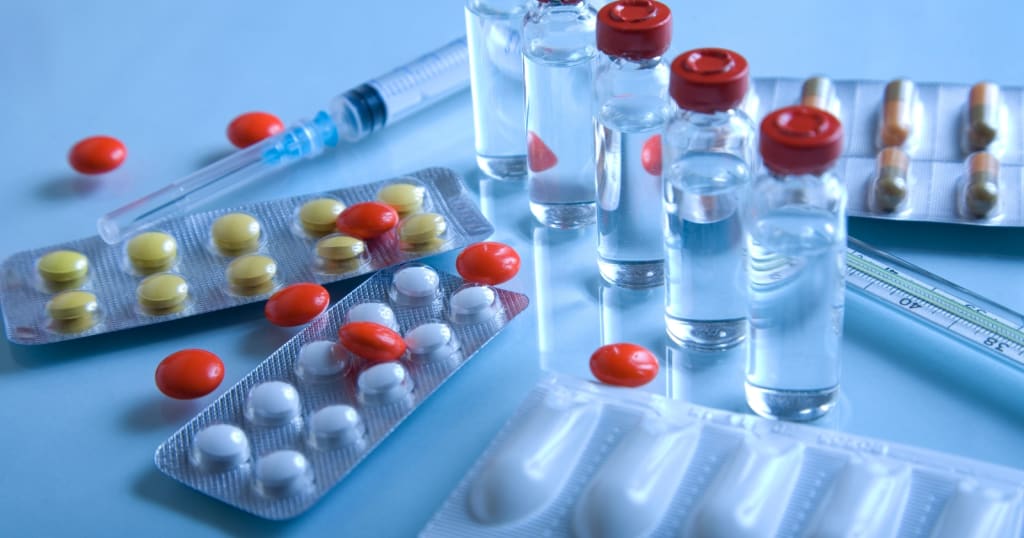
According to Renub Research Latest Report Pharmaceutical Packaging Market is projected to expand at a CAGR of 8.60% from 2025 to 2033, reaching US$ 299.42 billion by 2033, up from US$ 142.5 billion in 2024. This surge is driven by growing global demand for pharmaceuticals, an aging population, rising prevalence of chronic diseases, innovations in drug delivery systems, and stricter regulatory compliance requirements. Additionally, the increasing use of biologics, environmentally friendly materials, and emerging healthcare access in developing economies is significantly propelling market growth.
Pharmaceutical packaging involves the encapsulation, protection, and labeling of drugs to ensure their safety, stability, and efficacy during storage, distribution, and patient use. It encompasses pre-filled syringes, blister packs, bottles, vials, ampoules, jars, and inhalers, all designed to prevent contamination, counterfeiting, and tampering while complying with regulatory standards. Innovations such as child-resistant closures, intelligent packaging, and sustainable materials are increasingly shaping the industry, enhancing patient safety, dosage accuracy, and compliance, while strengthening the healthcare supply chain.
Growth Drivers of the Pharmaceutical Packaging Market
1. Increasing Global Drug Demand
The rising global consumption of pharmaceutical products is a primary driver of market expansion. Factors such as growing populations, improved healthcare access, and increasing health awareness are boosting drug demand, particularly in emerging economies with expanding middle classes. Chronic diseases like diabetes, cardiovascular disorders, and respiratory conditions are further escalating demand for prescription and over-the-counter medications.
This has led to increased demand for secure, durable, and effective packaging solutions to maintain medicine integrity and ensure patient safety. For instance, PharmaGuard by Südpack, launched in April 2023, is a polypropylene-based blister packaging that protects medicines from oxygen, UV light, and water vapor, thereby extending shelf life and addressing the growing need for stable, high-quality pharmaceutical packaging.
2. Aging Population
An aging global population is another major factor driving pharmaceutical packaging growth. Increased life expectancy worldwide has led to a surge in age-related conditions, requiring higher drug consumption among elderly populations. This, in turn, has created demand for elderly-friendly packaging that is easy to open, clearly labeled, and dosage-compliant.
Innovations catering to seniors include user-friendly containers, blister packs with clear dosage instructions, and tamper-evident designs, ensuring medication adherence and safety. The aging demographic not only drives higher consumption but also shapes packaging trends emphasizing convenience, safety, and compliance.
3. Technological Innovations
Technological advancements are transforming pharmaceutical packaging by enhancing functionality, sustainability, and patient safety. Smart packaging solutions, including RFID chips, QR codes, and sensors, facilitate real-time tracking, anti-counterfeiting, and patient engagement.
Advanced drug delivery systems such as pre-filled syringes, auto-injectors, and blister packs improve convenience and dosing accuracy. Sustainability innovations, like Constantia Flexibles’ REGULA CIRC, launched in July 2023, reduce plastic content, increase aluminum use, and enhance recyclability while maintaining product safety. Additionally, child-resistant, tamper-evident, and elderly-friendly packaging ensures compliance with regulations while improving user experience.
Challenges in the Pharmaceutical Packaging Market
1. Strict Regulatory Compliance
Pharmaceutical packaging is heavily regulated to guarantee drug safety, effectiveness, and traceability. Regulatory requirements cover labeling, serialization, tamper evidence, child resistance, and material compatibility.
Maintaining compliance with FDA, EMA, and other international standards can be expensive and time-consuming. Failure to comply can result in product recalls, fines, and reputational damage. For multinational corporations, ensuring uniform adherence across diverse markets adds operational complexity, necessitating rigorous quality control and comprehensive documentation throughout the packaging lifecycle.
2. Complexity of Biologics and Specialty Drugs
Biologics and specialty drugs require sophisticated packaging to maintain stability and sterility due to their sensitivity to temperature, light, and humidity. Injectable biologics often necessitate vials, pre-filled syringes, or auto-injectors and must comply with cold chain storage requirements.
This complexity increases production costs, restricts the availability of suitable packaging solutions, and demands strict quality control to meet both regulatory and patient requirements. The need for specialized packaging materials and designs presents ongoing challenges for manufacturers seeking to balance efficiency, safety, and compliance.
Regional Market Insights
United States
The U.S. pharmaceutical packaging market is expanding rapidly due to the demand for innovative, safe, and eco-friendly solutions. Factors driving growth include higher pharmaceutical production, stringent regulations, and the need for child-resistant and tamper-evident packaging.
In November 2024, Crown Packaging Corp. announced plans to expand its presence in the Midwest by opening a new facility in Chicago in 2025, aligning with growing local demand for advanced packaging solutions. The U.S. market is also witnessing growth through smart packaging technologies, enhancing patient safety and regulatory compliance.
Germany
Germany’s pharmaceutical packaging market emphasizes innovation, sustainability, and regulatory adherence. Companies are investing in eco-friendly materials and cost-effective solutions to meet environmental standards.
In March 2024, Amcor partnered with Cheer Pack North America and Stonyfield Organic to develop the first 100% polyethylene spouted pouch, reducing costs and environmental impact while maintaining drug safety. Germany’s market growth reflects a broader European trend of sustainable, high-performance packaging solutions.
India
India’s pharmaceutical packaging market is expanding due to increased drug production, exports, and focus on safety and quality. As a global pharmaceutical hub, India demands affordable, advanced, and eco-friendly packaging solutions.
In May 2025, TPG acquired a 35% stake in SCHOTT Poonawalla, a joint venture between SCHOTT Pharma and the Serum Institute of India, supported by Danish investor Novo Holdings. This strategic investment highlights India’s growing focus on innovation, collaboration, and meeting evolving consumer needs.
Saudi Arabia
Saudi Arabia’s pharmaceutical packaging market is growing, driven by rising healthcare demand, regulatory emphasis on safety, and sustainability initiatives.
In August 2024, Organon and Eli Lilly expanded their partnership, with Organon distributing Emgality, a migraine treatment, across Saudi Arabia. This collaboration underscores the importance of advanced and environmentally conscious packaging solutions, reflecting regional trends toward safe, ethical, and sustainable packaging practices.
👉 For deeper analysis, detailed segment data, and company insights: 🔗 Request Customization Report
Material: Plastics & Polymers, Paper & Paperboard, Glass, Aluminum Foil, Others
Product: Bottles, Caps & Closures, Pre-Filled Syringes, Vials & Ampoules, Jars & Canisters, Blister Packs, Pre-Filled Inhalers, Cartridges, Bags & Pouches, Others
Country: U.S., Canada, Germany, France, India, Saudi Arabia, China, Japan, Brazil, and others
Key Players
Amcor PLC
3M Company
Schott AG
WestRock Company
Berry Global Group Inc.
McKesson Corporation
AptarGroup Inc.
Klockner Pentaplast Group
CCL Industries Inc.
FlexiTuff International Ltd
These companies drive market growth through product innovation, sustainable materials, smart packaging, and global expansion strategies, ensuring regulatory compliance and enhanced patient safety.
Conclusion
The global pharmaceutical packaging market is set for robust growth through 2033, supported by rising drug demand, aging populations, and technological innovation. Smart, sustainable, and patient-centric packaging is at the forefront of industry expansion, while regulations and biologics complexity present ongoing challenges.
Emerging economies such as India and Saudi Arabia are experiencing rapid growth due to increasing pharmaceutical production and adoption of advanced packaging technologies, whereas mature markets like the U.S. and Germany focus on innovation, compliance, and sustainability.
As companies continue to invest in environmentally friendly solutions, digital technologies, and collaborative ventures, the pharmaceutical packaging market is poised to deliver safer, more sustainable, and user-friendly solutions worldwide, making it a cornerstone of the modern healthcare and pharmaceutical ecosystem.
Note: If you need details, data, or insights not covered in this report, we are glad to assist. Through our customization service, we will collect and deliver the information you require, tailored to your specific needs. Share your requirements with us, and we will update the report to align with your expectations.
About the Creator
Renub Research
Renub Research is a Market Research and Consulting Company. We have more than 15 years of experience especially in international Business-to-Business Researches, Surveys and Consulting. Call Us : +1-478-202-3244
Keep reading
More stories from Renub Research and writers in Journal and other communities.
The Online Advertising Boom: How Digital Marketing is Reshaping Global Commerce
According to Renub Research Latest Report Online Advertising Market is expected to reach $617.11 billion by 2033 from $263.22 billion in 2024, growing at a CAGR of 9.93%, driven by smartphone proliferation, e-commerce expansion, AI-powered targeting, and programmatic advertising.
By Renub Research4 months ago in Journal
Startup Capital Requirements for a Mental Health Clinic
Introduction Launching a mental health clinic requires capital. Planning must be realistic. Costs begin before opening. Funding impacts sustainability. Underestimating expenses creates risk. Clinical care depends on stability. Regulations influence spending. Staffing drives major costs. Facilities require investment. Technology is essential. Marketing supports visibility. Cash flow gaps are common. Preparation prevents disruption. Capital planning supports growth. Strong foundations protect services. Financial clarity enables success.
By Abdul Mueedabout 6 hours ago in Journal




Comments
There are no comments for this story
Be the first to respond and start the conversation.