
The Future of Air Conditioning Is Closer Than You Think
Explore the innovations driving growth in cooling technology worldwide
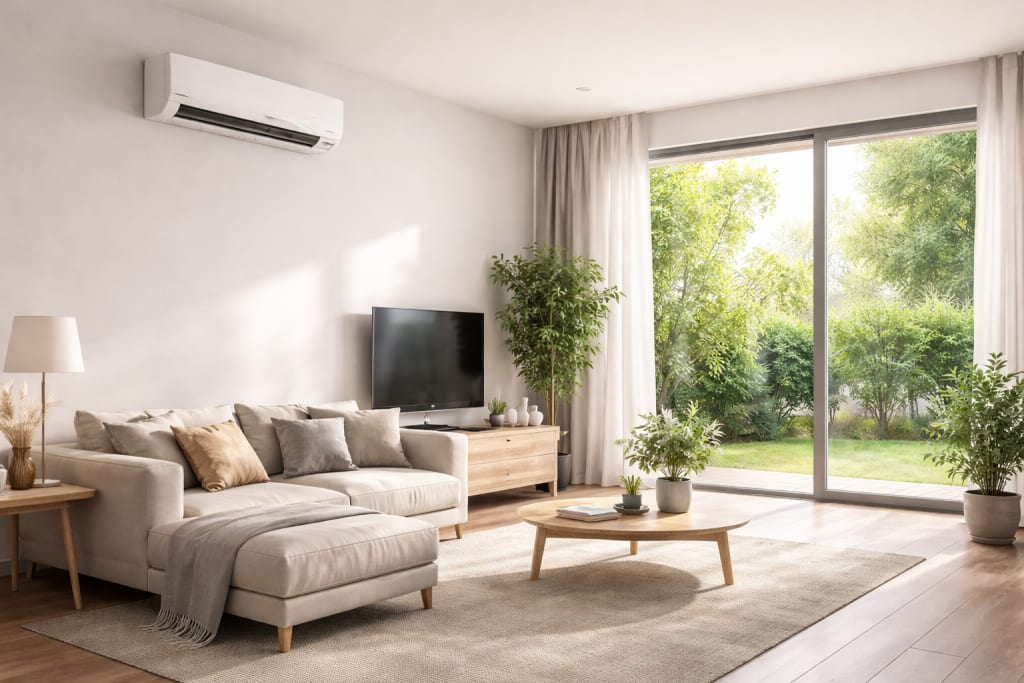
Summer heatwaves are no longer seasonal, they’re relentless. Cities worldwide are experiencing record temperatures, making air conditioning more than a convenience—it’s now a necessity. From urban apartments in Tokyo to office towers in Dubai, people are seeking smarter, more energy-efficient cooling solutions. The Air Conditioner Market Size is USD 171.88 billion in 2026 and is estimated to reach USD 239.01 billion by 2031, growing at a 6.42% CAGR, reflecting a rising demand across residential and commercial sectors.
Urban Heat Waves Fuel Demand
As global temperatures rise, urban areas are particularly affected due to the “heat island” effect, where concrete and asphalt trap heat. Cities are witnessing longer, hotter summers, pushing households and businesses to invest in air conditioning solutions. Residential cooling now dominates, and this is reflected in the air conditioner market share, where home installations account for the majority of sales. Families prioritize comfort, productivity, and health, while businesses require reliable cooling to maintain a productive environment.
Beyond homes, commercial spaces are also adapting. Offices, schools, and hospitals require efficient cooling systems to maintain comfortable environments. Rising electricity costs and growing concerns about energy consumption are driving the adoption of systems that provide precise temperature control while minimizing waste. In this context, technology innovations are transforming how we think about cooling.
Inverter Technology Leading the Way
One of the most significant breakthroughs in recent years is inverter technology. Unlike conventional AC units that operate at fixed speeds, inverter air conditioners adjust compressor speed based on cooling demand. This results in steady, precise cooling without the frequent on-off cycles that waste energy. The benefits are twofold: homeowners save on electricity bills, and the environmental impact of energy consumption is reduced.
Inverter ACs are also quieter and more durable, making them ideal for modern homes and workplaces. Many units now include smart features such as Wi-Fi control, app integration, and predictive maintenance alerts. These capabilities allow users to monitor energy usage, adjust settings remotely, and even schedule operation according to peak and off-peak electricity rates.
Residential vs Commercial Cooling
Residential installations remain dominant, reflecting lifestyle changes and increasing affordability. Split ACs, in particular, are favored for their performance, quiet operation, and modern design. Homeowners are now more informed about energy efficiency, opting for systems that balance comfort and savings.
Commercial cooling is also evolving. Businesses are implementing centralized systems, automated controls, and predictive maintenance to optimize energy consumption and reduce costs. Hotels, malls, and office buildings are investing in smart AC solutions that adapt to occupancy levels, ensuring spaces remain comfortable without unnecessary energy expenditure. These trends contribute to overall air conditioner market growth, signaling a strong trajectory for both technology adoption and consumer demand.
Emerging Smart Cooling Technologies
The next frontier in air conditioning is intelligence. Smart thermostats, AI-powered sensors, and predictive cooling systems allow homes and offices to anticipate temperature changes and adjust automatically. This not only improves comfort but also reduces unnecessary energy consumption. Some units now even integrate with voice assistants, enabling control via simple commands and providing insights into energy use. As these technologies mature, consumers can expect more personalized, efficient, and environmentally conscious cooling solutions.
Sustainability and Eco-Friendly Refrigerants
Modern air conditioners are increasingly designed with environmental impact in mind. Eco-friendly refrigerants reduce greenhouse gas emissions, and many new units are certified with energy star ratings. Consumers are becoming more conscious of both operational costs and carbon footprints, which is encouraging manufacturers to innovate sustainable solutions. Combining smart technology with eco-friendly components ensures cooling solutions are efficient, cost-effective, and environmentally responsible.
Looking Ahead
The future of air conditioning will likely be shaped by innovation, sustainability, and consumer demand. As global temperatures continue to rise, reliable cooling solutions will become even more essential. Emerging technologies, such as AI-driven climate control and eco-friendly refrigerants, promise to make cooling smarter, greener, and more accessible.
How is your city adapting to hotter summers, and are air conditioners becoming essential in your home?



Comments
There are no comments for this story
Be the first to respond and start the conversation.