
Global Economic Developments in May 2025: Navigating Interest Rate Adjustments, Trade Agreements, and Currency Fluctuations
Global Economy,Interest Rates,Bank of England,UK-US Trade Deal,Tariffs,Taiwan Dollar,Currency Appreciation,Trade Agreements,Monetary Policy,International Trade
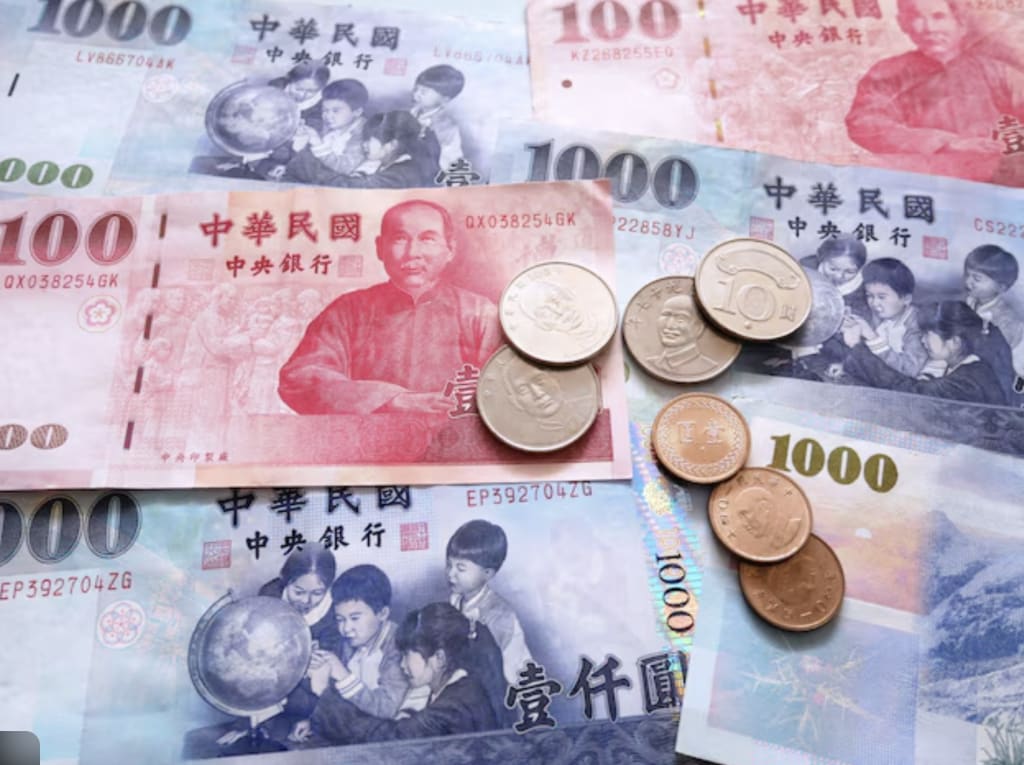
As of May 2025, the global economic landscape is undergoing significant transformations, marked by central bank policy shifts, landmark trade agreements, and notable currency movements. These developments are reshaping international trade dynamics, monetary policies, and financial markets.
Bank of England's Interest Rate Reduction
In a move to bolster the UK's economic resilience amid global uncertainties, the Bank of England (BoE) announced a 0.25 percentage point cut in its benchmark interest rate, bringing it down to 4.25% . This decision, made by a narrow 5–4 majority within the Monetary Policy Committee, reflects concerns over the potential economic impact of recent U.S. tariff implementations and aims to support domestic growth.
The BoE's action is a response to anticipated reductions in export demand and overall economic output, with projections indicating a 0.3% decrease in GDP over the next three years due to the new tariffs . While the rate cut is expected to provide some relief to borrowers and stimulate investment, it also underscores the challenges central banks face in balancing inflation control with growth support.
UK-US Trade Agreement: A Strategic Economic Partnership
In a significant development, the United Kingdom and the United States have finalized a trade agreement aimed at reducing tariffs and enhancing bilateral economic cooperation. Key elements of the deal include:
Automotive Sector: Reduction of U.S. tariffs on British car imports from 27.5% to 10%, with an annual quota of 100,000 vehicles .
Steel and Aluminum: Elimination of 25% U.S. tariffs on UK steel and aluminum exports, providing a boost to these critical industries .
Agricultural Products: The UK will allow tariff-free access for 13,000 metric tonnes of American beef and 1.4 billion liters of ethanol, while maintaining food safety standards .
Pharmaceuticals and Aerospace: Preferential treatment for UK pharmaceutical products and aerospace components in the U.S. market.
This agreement is anticipated to safeguard approximately 150,000 jobs in the UK, particularly in the automotive and steel sectors . However, it has also raised concerns among British farmers about potential market disruptions due to increased competition from U.S. agricultural imports.
Taiwan's Currency Surge and Its Global Implications
The New Taiwan Dollar (TWD) has experienced a remarkable appreciation, strengthening by over 6% against the U.S. dollar in early May 2025 . This surge is attributed to several factors:
Leftover Currency
Trade Surpluses: Taiwan's significant trade surpluses have led to substantial U.S. dollar holdings, particularly among exporters and insurers, making the currency susceptible to rapid shifts .
Speculation on U.S. Trade Policy: Anticipation of potential U.S.-Taiwan trade agreements has fueled investor confidence in the TWD, leading to increased demand .
Regional Currency Trends: The TWD's performance is part of a broader trend of Asian currencies gaining strength, reflecting shifts in global investment flows and monetary policies .
While the appreciation of the TWD indicates investor optimism, it also presents challenges for Taiwan's export-driven economy by potentially making its goods more expensive on the global market. The Central Bank of the Republic of China (Taiwan) may need to consider interventions to manage currency volatility and support economic stability.
Conclusion
The current global economic developments highlight the interconnectedness of monetary policies, trade agreements, and currency markets. The Bank of England's interest rate cut aims to mitigate the adverse effects of international trade tensions, while the UK-US trade agreement seeks to strengthen economic ties and protect key industries. Simultaneously, Taiwan's currency movements underscore the complexities of global financial markets and the need for vigilant economic management.
As these dynamics continue to evolve, policymakers and investors alike must remain attentive to the shifting economic landscape to navigate the challenges and opportunities that lie ahead.
About the Creator
Author’s Advice
If you would’ve asked me 20 years ago did I know I’d become a writer and an author, I would’ve said “nope, ain’t happening”. As fate would have it I did become an author and I can honestly say I’m loving it so far. It really does feel good to be a writer. I’ve learned a lot on this journey and I feel like with even me being as new to this world as I am, there’s some wisdom I need to share with every other aspiring author.
By Joe Patterson4 days ago in Journal
How Paid Advertising Services Changed the Way I See Online Growth
A while ago, I helped a friend launch a small online business. We spent weeks building the website. The design looked clean, the content was clear, and the products were carefully listed. When everything was finally ready, we felt confident that visitors would soon begin exploring the site.
By Anthony Rodgers5 days ago in Journal
The First Rainbow Baby
Pitter-patter, pitter-patter. The rain fell in rhythmic splatters, slowly slowing, but still constant. Mira rolled onto her side pulling the blanket tight against her ears, but still she could hear chitter-chatter and scurrying feet of the creatures that refused to sleep in the lower decks.
By A. J. Schoenfeld2 days ago in Fiction




Comments
There are no comments for this story
Be the first to respond and start the conversation.