
Gender Discrimination
Women Fighting For Equal Rights
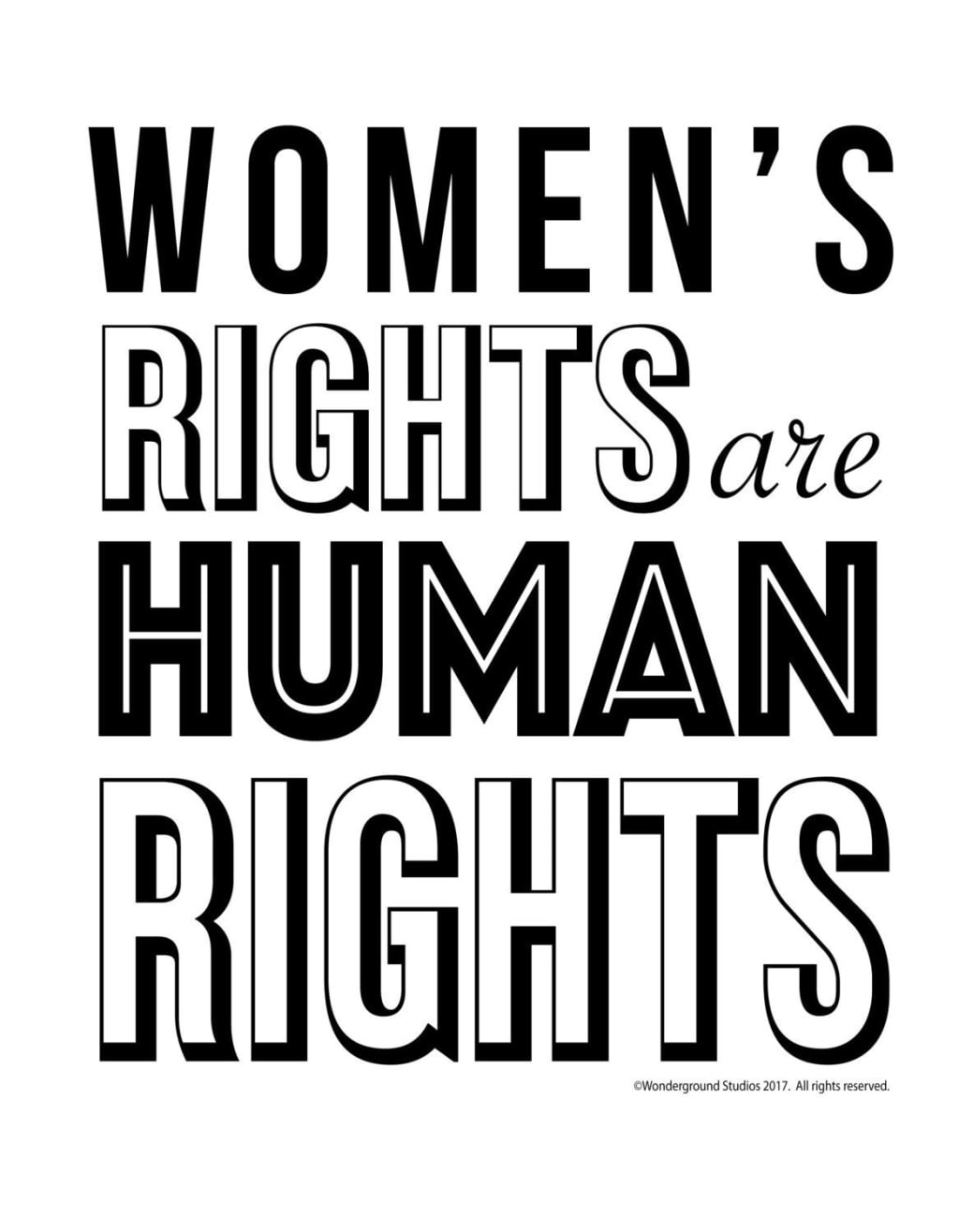
Gender discrimination has persisted as a pervasive issue throughout history, limiting women's opportunities, stifling their potential, and impeding societal progress. However, women around the world have been at the forefront of the battle for equal rights, challenging social norms, and demanding fair treatment. With unwavering determination, they have shattered barriers, changed laws, and paved the way for a more inclusive future. This article explores the inspiring journey of women fighting for equal rights and highlights the milestones achieved in the ongoing struggle against gender discrimination. One of the earliest and most significant battles in the fight for women's equal rights was the suffrage movement. Women tirelessly campaigned for the right to vote, aiming to secure political representation and influence. The relentless efforts of pioneers like Susan B. Anthony, Emmeline Pankhurst, and countless others resulted in landmark victories, as women gained suffrage in several countries, including the United States, the United Kingdom, and New Zealand. Their determination sparked a wave of feminist activism, setting the stage for broader battles against gender discrimination.
Beyond suffrage, women have fought for equal opportunities in education and employment. Historically, women faced limited access to education and were often confined to traditional roles. However, the tireless efforts of trailblazers like Malala Yousafzai, who survived an assassination attempt for advocating girls' education, have brought attention to the importance of providing equal educational opportunities to all. Today, women's enrollment rates in schools and universities continue to rise, empowering them to pursue careers and break free from gender stereotypes. In the workplace, women have challenged discriminatory practices and unequal pay. Activists like Lilly Ledbetter in the United States and the collective efforts of the #MeToo movement globally have shed light on gender-based harassment, discrimination, and the persistent gender pay gap. These initiatives have spurred conversations, legislative changes, and corporate commitments to promote gender equality and create inclusive work environments.
Women's fight for equal rights also encompasses reproductive rights and bodily autonomy. Activists have tirelessly campaigned for the right to access safe and legal abortion, comprehensive sexual health education, and contraception options. They have championed reproductive justice, fighting against policies that restrict access to reproductive healthcare and perpetuate inequality. Organizations like Planned Parenthood and individuals like Dr. Rebecca Gomperts have dedicated their lives to ensuring women have control over their reproductive choices, advocating for a society that respects women's autonomy. Another aspect of women's struggle for equal rights involves breaking cultural and social norms that perpetuate discrimination. Women activists have challenged deeply entrenched beliefs and practices, advocating for gender equality in marriage, family, and society. They have worked towards eradicating harmful practices such as child marriage, female genital mutilation, and honor killings. By raising awareness, engaging in dialogue, and empowering women within their communities, these activists are effecting positive change and challenging deeply ingrained prejudices.
Gender discrimination has been a pervasive issue throughout history, limiting opportunities and rights for women. However, in recent times, women have risen to the forefront of the battle for equality, challenging societal norms and fighting for their rights. This article explores the remarkable progress made by women in the fight against gender discrimination and the ongoing struggle for equal rights.The fight for women's rights dates back centuries. From the suffragette movement in the late 19th and early 20th centuries to the feminist movements of the 1960s and beyond, women have consistently demanded equal treatment and opportunities. These movements laid the foundation for the progress we witness today. Women around the world have shattered glass ceilings and broken traditional gender roles in various fields. In politics, women have achieved significant milestones, occupying top positions and leading nations. Prominent figures such as Angela Merkel, Jacinda Ardern, and Kamala Harris have become symbols of women's empowerment.
In the business world, women are increasingly taking on leadership roles and establishing successful enterprises. They are challenging stereotypes and proving their capabilities in sectors previously dominated by men. Initiatives promoting female entrepreneurship and leadership have contributed to this progress.Education has played a crucial role in empowering women and enabling them to challenge gender discrimination. Access to quality education equips women with knowledge, skills, and confidence, enabling them to pursue careers and advocate for their rights. Organizations worldwide are working towards bridging the gender gap in education, ensuring equal opportunities for girls and women. Recent years have witnessed the emergence of powerful women's movements that have garnered global attention. The #MeToo movement, for instance, has exposed the widespread prevalence of sexual harassment and assault, encouraging survivors to share their stories and seek justice. It has ignited conversations and pushed for systemic changes in various industries. Women's rights movements, such as the Women's March and the Global Women's Strike, have mobilized women worldwide, emphasizing the importance of gender equality. These movements have united diverse voices, advocating for equal pay, reproductive rights, an end to violence against women, and greater representation in decision-making positions.
Legislative reforms have been instrumental in advancing women's rights and combating gender discrimination. Laws promoting gender equality in areas such as employment, education, and healthcare have been implemented in many countries. Maternity leave policies, anti-discrimination laws, and quotas for women's representation in politics and corporate boards are some notable examples. Despite significant progress, challenges remain. Women continue to face discrimination and gender-based violence in various forms. Intersectional issues such as racial discrimination, socioeconomic disparities, and cultural norms further complicate the fight for gender equality. To achieve true gender equality, it is essential to engage men as allies and advocates. Men's involvement in dismantling gender norms and challenging discriminatory practices is crucial for creating an inclusive society.
Women have made remarkable strides in the fight for equal rights, challenging stereotypes, and demanding fair treatment. The collective efforts of women's movements, legislative reforms, and increased awareness have brought significant changes. However, the journey towards gender equality is far from over. By continuing to raise awareness, challenging social norms, and advocating for policy changes, women will pave the way for a more equitable future. It is the responsibility of society as a whole to ensure that women have equal opportunities, rights, and freedom from discrimination. The fight for women's equal rights has come a long way, thanks to the resilience, courage, and determination of countless women and feminist allies. From securing the right to vote to breaking barriers in education, employment, reproductive rights, and challenging cultural norms, women have been at the forefront of transformative change. However, gender discrimination still persists in various forms, requiring continued efforts and solidarity. It is crucial for individuals, governments, and organizations to actively address and dismantle systemic barriers to achieve true gender equality. Together, we can build a society that respects and values the contributions of women, ensuring a more equitable and inclusive future for all.
About the Creator
Keep reading
More stories from writers in Journal and other communities.
The Path to Salvation
The late autumn evening air filled the monk's lungs, but it wasn't the season that chilled his bones. The heavy-handed presence of evil he had sensed upon entering the woods surrounding this mountain village had not bothered to conceal itself from him.
By Made in DNA5 days ago in Fiction


Comments
There are no comments for this story
Be the first to respond and start the conversation.