
Future Trends of AC Charger Controllers in the EV Industry
Trends of AC Charger Controllers
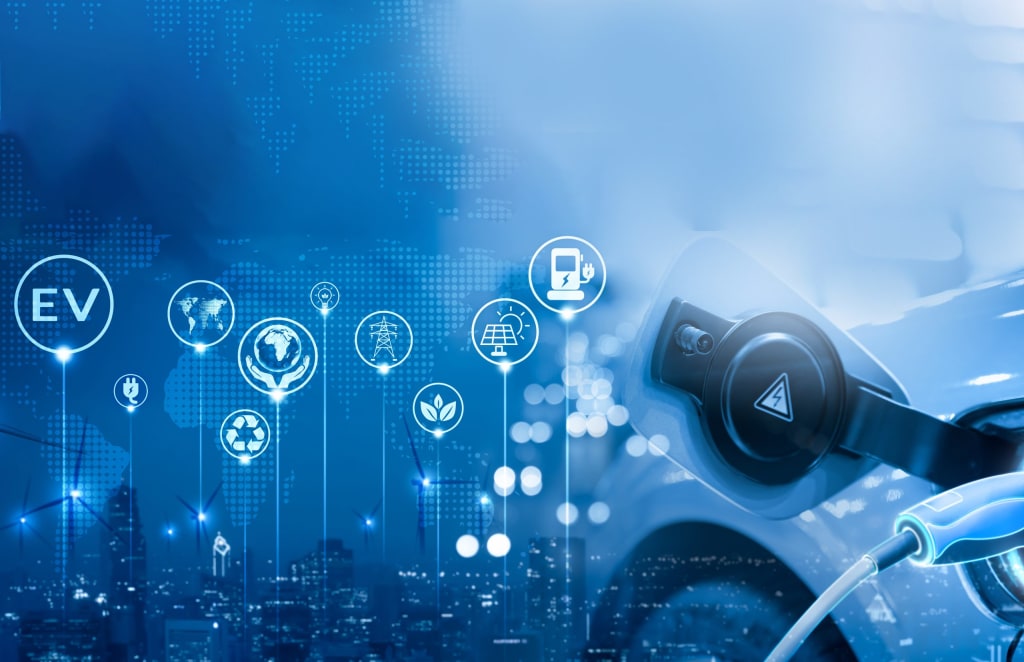
The electric vehicle (EV) industry is growing rapidly, with more and more consumers switching to EVs every year. As the demand for EVs increases, so does the need for efficient and effective AC charger controllers. AC charger controllers are responsible for regulating the charging process of EV batteries, ensuring that they are charged safely and efficiently. In recent years, there have been several exciting developments in AC charger controller technology that are poised to revolutionize the industry. In this article, we will explore some of the latest trends and innovations in AC charger controller technology for EVs.
Wireless Charging
One of the most exciting trends in AC charger controller technology for EVs is wireless charging. Wireless charging eliminates the need for cables and connectors, making charging more convenient and user-friendly. Instead of plugging an EV into a charger, wireless charging uses magnetic fields to transfer energy between a charging pad and the EV battery. This technology has already been implemented in some EVs, and is expected to become more widespread in the coming years.
High-Power Charging
Another trend in AC charger controller technology for EVs is high-power charging. High-power charging enables EVs to charge at much faster rates than traditional chargers, reducing charging times and increasing the range of EVs. High-power chargers can deliver charging currents of up to 350 kW, enabling an EV to charge from empty to 80% in as little as 15 minutes. This technology is already being deployed in some locations, and is expected to become more widespread in the coming years.
Smart Charging Systems
Smart charging systems are another exciting development in AC charger controller technology for EVs. Smart charging systems use artificial intelligence (AI) and machine learning algorithms to optimize the charging process and manage energy usage. These systems can analyze data from multiple sources, including weather forecasts, energy prices, and user preferences, to determine the best time to charge an EV and how much energy to use. Smart charging systems can also communicate with other devices, such as home energy storage systems or grid infrastructure, to balance energy supply and demand.
Vehicle-to-Grid (V2G) Technology
Vehicle-to-grid (V2G) technology is another trend in AC charger controller technology for EVs. V2G technology enables EVs to not only draw power from the grid, but also to return power to the grid when needed. This technology can help to balance energy supply and demand, and can also provide a source of income for EV owners. V2G technology is still in its early stages, but is expected to become more widespread in the coming years.
Different Types of AC Charger Controllers That We Offer.
We present our 6 variants of AC charge controllers AC input having distinct properties to meet modern day EV charge solutions.
- Hybrid AC Charger Controller
- AC Single Gun Type 2 (7.4Kw Controller)
- AC Dual Gun Type 2 Controller
- AC Single Gun Type 2 (22KW)
- Bharat AC001 Controller
- Bharat AC Controller
Conclusion
At Bacancy System, we are one of the top manufacturers of different EV components such as AC charger, AC charger controllers, DC fast charger, CCS2 controllers, BMS, etc. All our products are good presentations of Make In India concepts with global standards. As the EV industry continues to grow, the need for efficient and effective AC charger controllers will become increasingly important. Wireless charging, high-power charging, smart charging systems, and V2G technology are just a few of the trends that are shaping the future of AC charger controller technology for EVs. With these exciting developments, we can expect to see continued improvements in efficiency, convenience, and performance in the EV charging process in the years to come.
About the Creator
Aditya Goswami
I'm technical writer with experience in IT industry. have a strong understanding of complex technical concepts and the ability to translate them into clear, concise, and easy-to-understand documentation or blogs.
Keep reading
More stories from Aditya Goswami and writers in Journal and other communities.
Why Upgrade from Laravel 9 to Laravel 10?
Laravel is a popular PHP web application framework that has been used by developers around the world to build powerful and scalable applications. With each new version, Laravel introduces new features, improves performance, and enhances security. Laravel 9 was released in September 2021, and its successor, Laravel 10, is expected to be released soon. In this article, we'll explore the benefits of upgrading from Laravel 9 to Laravel 10 and highlight some of the key features of Laravel 10.
By Aditya Goswami3 years ago in Journal
Trump Administration Announces Next Phase of Gaza Peace Plan
The Trump administration has announced the next phase of its Gaza peace plan, marking a new step in efforts to bring stability to a region that has faced months of conflict, destruction, and humanitarian suffering. This second phase, often called “Phase Two,” focuses on post-war governance, security, and rebuilding Gaza after intense fighting between Israel and Hamas.
By sehzeen fatima6 days ago in Journal



Comments
There are no comments for this story
Be the first to respond and start the conversation.