
From Isolation to Integration: What I’ve Learned About Healing Communities
Exploring how connection, vulnerability, and shared purpose transform individual pain into collective healing.

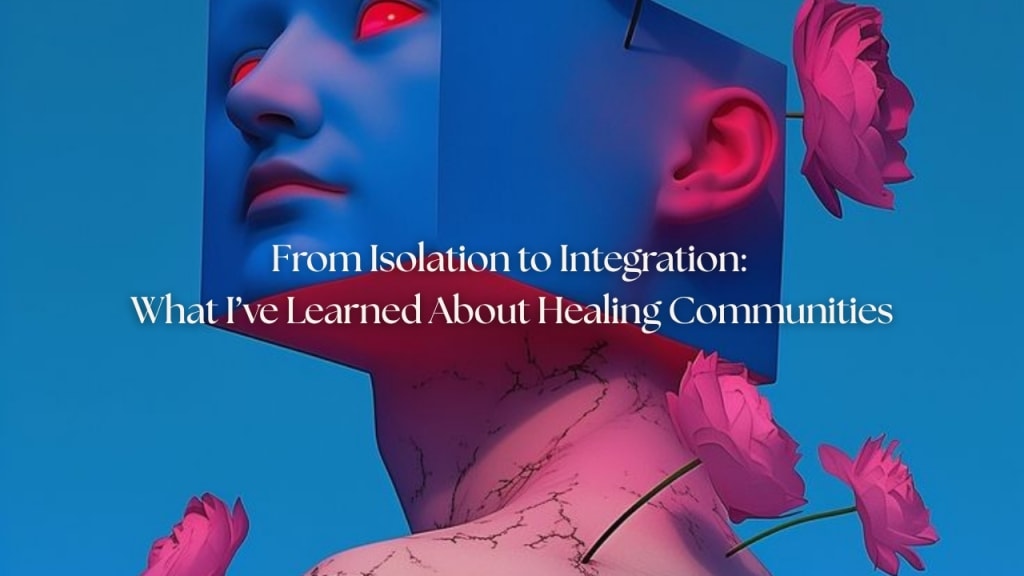
Last month, I was scrolling through weeks of client feedback forms when one response stopped me cold. A woman wrote about feeling “seen by her own heart” for the first time in years. As someone who manages digital content for mental health practices, I see a lot of testimonials, but this one hit different. It made me think about all the stories I’ve collected over the past year, stories about people finding their way from complete isolation to genuine connection.
Working behind the scenes in mental health spaces has given me a front-row seat to something pretty incredible. I’ve watched people transform not just through therapy, but through the communities that form around healing. Here’s what I’ve noticed about how these spaces change lives.
When People Finally Start Talking
The thing about deep therapeutic work is that it creates this urgency to share. I’ve noticed clients often come out of intensive sessions almost bursting with things they need to say, like they’ve unlocked some vault in their mind that’s been sealed for years.
One guy described it to me as “having all these words trapped in my chest, and suddenly they all wanted out at once.” These aren’t just random thoughts either. These stories end up connecting people in ways I never expected when I first started this work.
Breaking Out of That Invisible Prison
Before finding these communities, most people I work with describe a specific type of loneliness. It’s not just being alone; it’s feeling like your inner world is completely foreign to everyone around you.
I remember one woman telling me she spent three years perfecting the art of seeming fine at work while feeling like she was drowning inside. She said the scariest part wasn’t the depression itself, but realizing how good she’d gotten at faking connection while feeling completely detached from everyone.
That moment when staying isolated feels scarier than reaching out? That’s usually when people find these healing spaces. And honestly, watching that shift happen never gets old.
Where the Real Work Happens
Integration circles are where I’ve seen the most dramatic changes. These aren’t your typical support groups where people take turns complaining. These are spaces where people process genuinely profound experiences together.
I’ve watched strangers share incredibly vulnerable moments, weird visions, unexpected emotional breakthroughs, sudden clarity about old wounds, and see others just nod like “yeah, I’ve been there too.”
What happens in these circles:
People start making sense of experiences that felt completely overwhelming
Strangers become friends who show up for each other
Individual healing becomes collective strength
The connections formed here often outlast the formal therapy. I’ve seen people become each other’s emergency contacts, travel to weddings, and help with moves real friendships that started in these healing spaces.
Rebuilding How We Connect
One of the most beautiful things I’ve witnessed is how this work changes people’s existing relationships. There’s something about facing your stuff that makes you braver in how you show up with family and friends.
I remember this mom sharing how her therapy gave her the courage to finally talk to her teenage son about her mental health struggles. She’d spent years hiding her depression, thinking she was protecting him. Turns out, her silence was creating distance between them. When she finally opened up, he told her he’d been worried about her for months but didn’t know how to ask.
Her honesty brought them closer than they’d been in years. Stories like this remind me why I love this work.
The Power of Evolving Narratives
Here’s something fascinating I’ve noticed: people’s stories about their healing journey change over time. Not the facts, but how they understand and tell their experiences.
One client described his trauma as a “storm that destroyed everything” in his first group session. Six months later, he called it “a wave he learned to surf.” Same experience, completely different meaning. That shift in narrative? That’s growth happening in real time.
When people share these evolving stories in the community, it permits others to rewrite their narratives, too.
Building Professional Networks That Work
Even the professionals in this space are creating new models of community. Traditional mental health systems weren’t designed for the kind of ongoing integration support that transformative therapy requires.
I’ve watched therapists, psychiatrists, and coaches share their stories,ries case studies, challenges, and breakthroughs to create more collaborative approaches to care. It mirrors what’s happening with clients: shared stories driving better outcomes for everyone.
Making It Last
The biggest challenge after intensive therapeutic work is keeping the momentum going in regular life. From what I’ve observed, the transformations that stick are the ones supported by an ongoing community.
This might look like:
Regular meetups where people continue sharing their evolving stories
Online spaces for connection between formal sessions
Mentorship relationships where people further along guide newcomers
These systems recognize that integration isn’t a one-time thing; it's a lifelong process. Having witnesses to your growth makes all the difference.
Why This Matters
Working in this space has taught me that healing is fundamentally about moving from isolation to integration. It’s not just about fixing what’s broken, but it’s about building genuine connections that make life worth living.
The therapeutic work opens doors, but community is what helps people walk through them and stay on the other side.
If you’re thinking about deepening your healing journey, finding professionals who value community and storytelling could be a game-changer. I’ve connected with some incredible practitioners and communities doing this work. You can find some of the insights and resources I’ve discovered on Instagram, Facebook, and LinkedIn.
Your story matters. And somewhere out there, there’s a community ready to witness your growth and cheer you on.
What’s your experience with healing communities? Have you found spaces where your story feels heard? I’d love to hear from you in the comments.
About the Creator
Cosmic Spellcaster
Digital strategist writing at the intersection of mental health, healing, and ethical marketing. Exploring how content can support care, connection, and change.
Keep reading
More stories from Cosmic Spellcaster and writers in Journal and other communities.
Posting for Therapists Taught Me More About Healing Than Any Self-Help Book
I used to think I was just the person behind the screen, crafting posts, scheduling content, and making sure therapists’ voices reached the people who needed them most. But after three years of immersing myself in the world of mental health social media, I’ve come to realize something profound: you can’t spend your days swimming in wisdom about healing without some of it washing over you.
By Cosmic Spellcaster7 months ago in Psyche
How Retrieval-Augmented Generation Services Are Transforming Enterprises at Scale
Not long ago, many AI initiatives inside large organizations struggled to move beyond pilot projects. The models looked impressive in demos, but once deployed, they often failed to deliver accurate, reliable, or up-to-date results. Hallucinations, outdated knowledge, and lack of transparency made decision-makers cautious about scaling AI across critical business functions.
By Kanak Appinventiv5 days ago in Journal



Comments
There are no comments for this story
Be the first to respond and start the conversation.