
From Gripen to Alberta: How US Pressure on Canada Risks a Donbas-style Split
It seems unthinkable, but the world of geopolitics has become very unstable

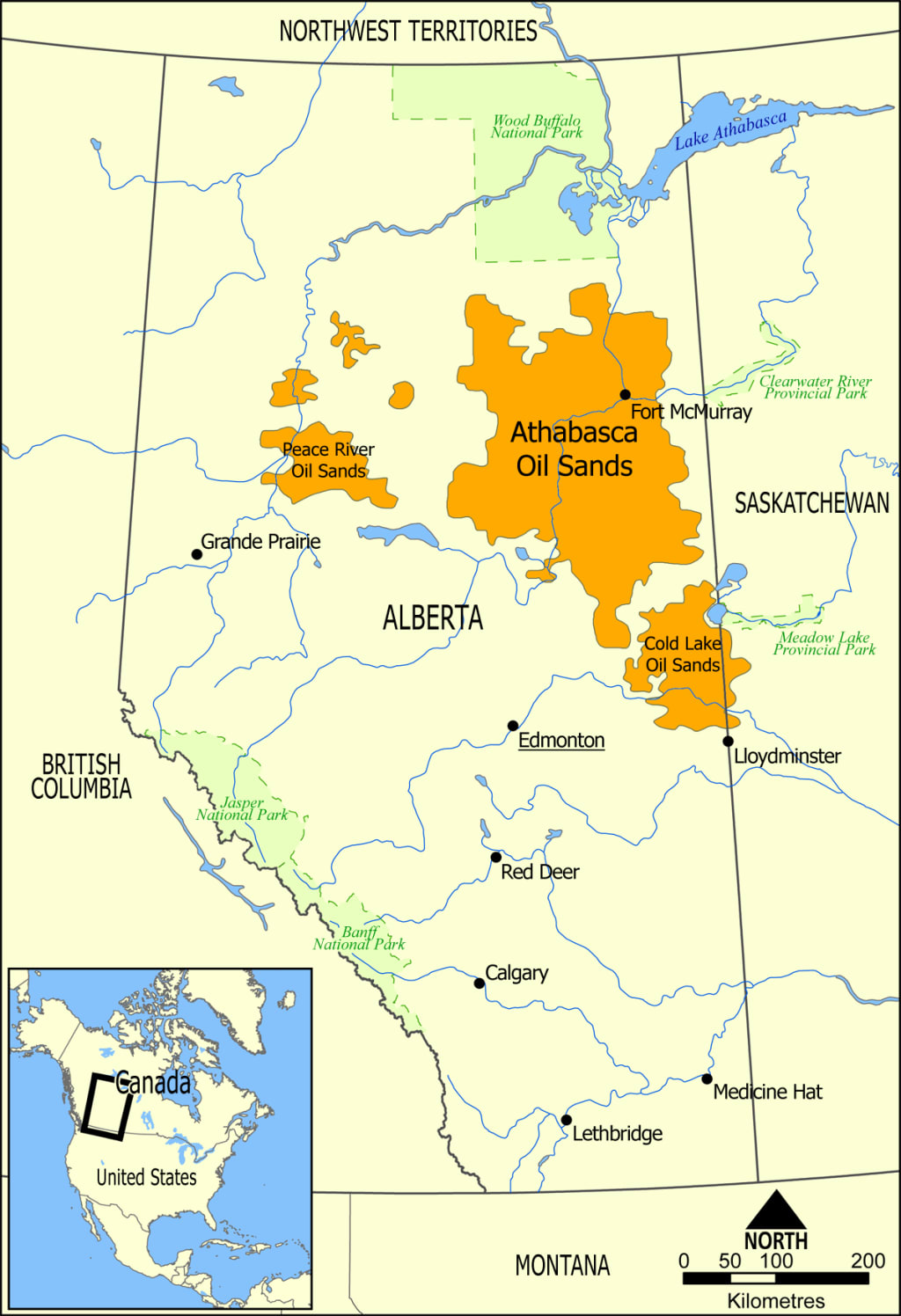
Trump wants the Athabasca tar sands and he will do anything to capture the area — his 2026 US National Defense Strategy says as much. $100 billion per annum in oil production is at stake.
The military barometer
Canada’s procurement of military hardware often serves as a barometer for national sovereignty. The original decision to transition from the ageing CF-18 Hornet fleet to 88 Lockheed Martin F-35 Lightning II aircraft represented more than a simple equipment upgrade. It signified deepening reliance on American technological infrastructure that would have profound implications for Canadian territorial integrity.
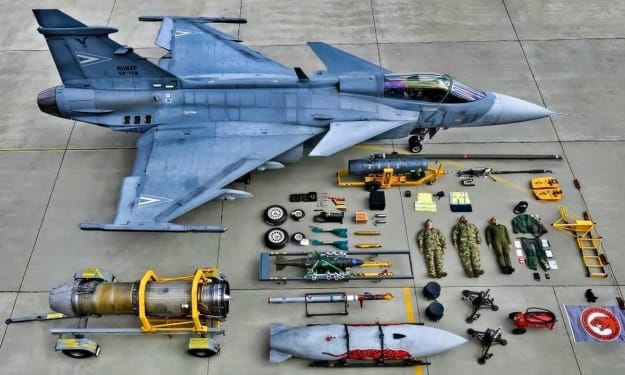
The January 2026 Saab offer to supply 72 Gripen fighters opens a path towards greater technical autonomy and domestic maintenance capabilities. Canada is only formally contracted to 12 F-35s; the rest are now on hold as Ottawa reconsiders its strategic options. The technical limitations and maintenance requirements of the F-35 create a specific form of dependency.
Unlike the Gripen, designed for ease of use in austere environments with a high degree of local industrial participation, the F-35 is managed through the Autonomic Logistics Information System. This requires constant connectivity to American servers, effectively granting the Pentagon a ‘kill switch’ over Canadian air power.
When a nation loses the ability to operate its primary defence assets without foreign permission, diplomatic leverage is diminished.
In the current geopolitical climate, this loss of autonomy is not merely theoretical but a potential catalyst for internal political fracture.
The US is driving a wedge into Canada
The focus of external pressure on Canada from Washington is increasingly directed towards Alberta. The province holds the fourth-largest proven oil reserves in the world, the vast majority destined for American refineries via a complex pipeline network.
This economic synergy between Alberta and the United States has long created friction with the federal government in Ottawa.
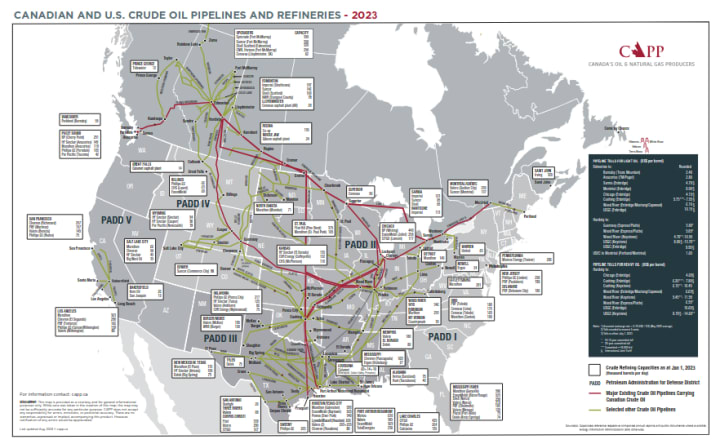
Recently, this friction has been stoked by the Trump administration’s messaging about Canadian energy policy. By framing Alberta’s energy wealth as vital to American national security, Washington is bypassing federal channels to engage directly with provincial grievances.
Canadian clashes
Alberta Premier Danielle Smith has clashed repeatedly with Ottawa over environmental regulations and energy transitions, arguing that federal policies stifle the economic potential of the oil sands. The Trump administration has capitalised on this discontent.
In early 2026, United States Treasury Secretary Scott Bessent described Alberta as a ‘natural partner’ for the United States, suggesting that the province should be allowed to ‘come down’ into the American sphere.This ‘51st state’ narrative is no longer confined to the fringes. Republican Representative Andy Ogles has openly discussed the preference of Albertans for American alignment, citing the ‘economic success of the United States’.
The US trade data shows otherwise: the latest figure for November 2025 is a doubling of the trade deficit in the month to $56.8 billion, the biggest change for 34 years. According to the Canada Energy Regulator and the United States Energy Information Administration, the annual value of Canadian crude oil exports to the American market remained resilient through 2024 and 2025, consistently exceeding C$140 billion (approximately US$100 billion).
Russian parallels
The parallels of the US stance to the Russian strategy in the Donbas region are striking. Before the full-scale invasion of Ukraine, the Kremlin spent years cultivating a sense of separate identity in Donetsk and Luhansk.
This involved supporting local separatist movements, claiming the need to protect the rights of specific populations, and using energy infrastructure as a means of political leverage.By undermining the central authority in Kyiv, Russia prepared the ground for annexation.
In the Canadian context, the United States appears to be exploring a similar playbook. Figures such as Steve Bannon and Scott Bessent have echoed arguments that mirror those of the FSB officers who jump-started Donbas separatism in 2014.
By encouraging Albertan secessionists and emphasising economic ties over national loyalty, Washington is creating a scenario where the federal government in Ottawa is seen as an obstacle to regional prosperity.
The strategic gain for the United States in such a scenario is clear. Direct access to Albertan oil without the regulatory hurdles or carbon pricing imposed by the Canadian federal government would secure American energy interests for decades and provide a huge positive offset for the trade deficit.
Reports have emerged of meetings between the Alberta Prosperity Project and United States State Department officials, involving discussions on a $500 billion line of credit to support an independent Alberta. British Columbia Premier David Eby has characterised these back-channel negotiations as ‘treason’, reflecting the severity of the threat he perceives to the Canadian federation.
If Alberta were to secede or become a protectorate under American influence, the United States would gain a massive territorial and resource advantage. This approach uses economic and political destabilisation to achieve what was formerly sought through traditional diplomacy.
US 2026 National Defense Strategy
The Trump administration’s 2026 defence doctrine explicitly warns that if Canada does not secure its portion of the hemisphere to American standards, Washington will take ‘focused, decisive action’.
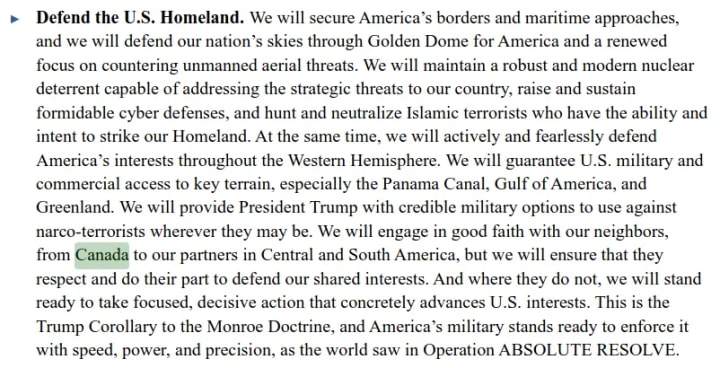
By 2026, the risks of a federal fracture in Canada have become a reality.
The Smith government in Alberta has lowered the threshold for citizen-initiated referendums to ten per cent of the electorate, making a vote on independence a genuine possibility. If the national government, led by Prime Minister Mark Carney, cannot demonstrate a clear path to Canadian national sovereignty, the incentive for provinces to remain within the confederation diminishes.The strain on the NATO alliance would be significant.
Canada has historically been a reliable partner, yet a nation divided by internal secessionist movements sparked by its closest ally would be unable to fulfil its international obligations.
Beyond that, such instability provides a vacuum that Russian propaganda is eager to fill. Moscow frequently highlights 'Western hypocrisy', and an American-backed separatist movement in Canada would serve as a perfect counter-narrative to Western criticisms of Russian actions in Ukraine.
The dependence on American military technology, exemplified by the F-35 deal and the reaction over the Swedish Gripen alternative, leaves Carney’s government with few tools to resist this pressure. If Canada takes up the Gripen deal it will gain the industrial knowledge and the operational independence required to project authority over its own territory without seeking external validation from the US.
To avoid becoming a pawn in a larger game of North American realignment, Canada is now realising the necessity of technological and defence independence and the importance of closer alliance with Western Europe even within NATO. And Carney has recently signed trade deals with China and Japan, reducing dependency on the US which is once again threatening punitive tariffs.
A carve-up
It seems clear to me that at Trump’s Alaska meeting with Putin in 2025, they agreed that Trump could have control of North and South America in their entireties and that the US would back off from Ukraine, Europe and Africa. That’s why Trump’s team looked so visibly shocked when they emerged from the meeting. It was a carve-up.
And it has started. Venezuela, Greenland, Canada, all topped off with an aggressive retreat from Europe underway.
A storm is gathering.
I also write on Medium and on Substack.
About the Creator
James Marinero
I live on a boat and write as I sail slowly around the world. Follow me for a varied story diet: true stories, humor, tech, AI, travel, geopolitics and more. I also write techno thrillers, with six to my name. More of my stories on Medium
Keep reading
More stories from James Marinero and writers in Journal and other communities.
Gripen V F-35: Debunking the Maintainability Myth as Canada Rethinks its Fighter Deal
Canada’s long-running search for a new fighter jet has once again hit turbulence. In January 2026, Saab — the Swedish aerospace firm — formally offered Ottawa a package of 72 Gripen E/F fighters plus six GlobalEye airborne early-warning aircraft, bundled with a promise of 12,600 jobs and significant industrial participation.
By James Marineroabout 20 hours ago in Journal
One Unchecked Box
"Republished" because it was the only way to add the embed for the newly recorded audio version of this story due to the Top Story badge. Plus it serves as a nice, informal announcement of the podcast's revival for another season (go subscribe!):
By Stephen A. Roddewig3 days ago in Fiction


Comments
There are no comments for this story
Be the first to respond and start the conversation.