
Friedrich Merz Wants Berlin to Be a Geopolitical Hub: Will German Voters Reward Him?
As Germany navigates a turbulent global landscape, conservative leader Friedrich Merz champions Berlin as a central player in geopolitics, but will his vision resonate with voters?

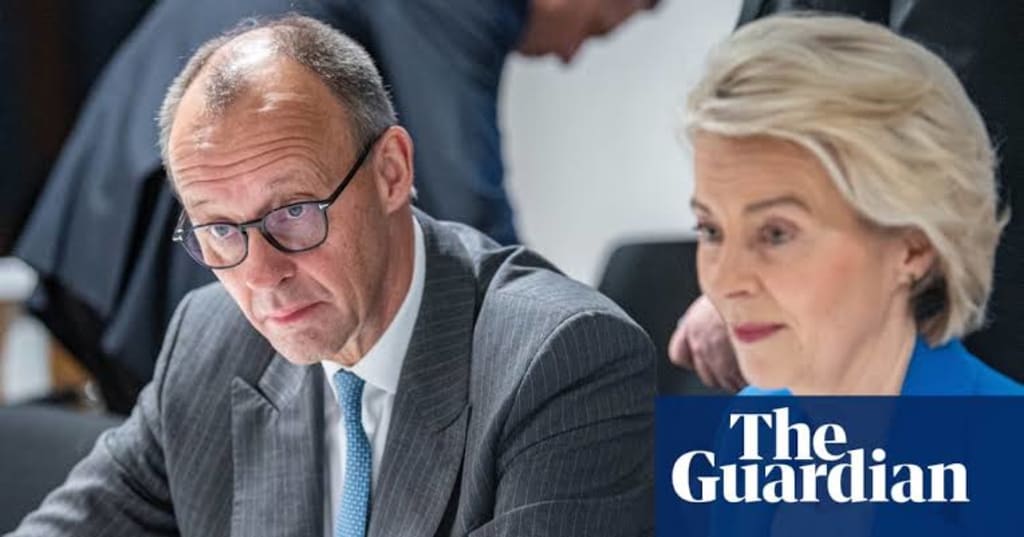
Germany has long maintained a careful approach to international politics, balancing diplomacy, economic influence, and its role within the European Union. But Friedrich Merz, the prominent conservative politician and CDU (Christian Democratic Union) leader, is seeking to redefine Berlin’s global role. His proposal: transform Germany into a geopolitical hub, a country that not only drives economic policy but also asserts itself strategically on the global stage.
Merz’s Vision for Berlin
Merz has consistently framed Germany as a country that cannot remain on the sidelines of international affairs. According to him, Berlin should serve as a key center for diplomacy, defense strategy, and economic decision-making. By leveraging Germany’s economic power, technological prowess, and EU leadership, Merz argues that the country can shape global norms rather than merely react to them.
Central to his platform is the notion that Germany must increase its strategic autonomy. This includes bolstering defense capabilities, investing in emerging technologies such as artificial intelligence and cybersecurity, and taking more assertive positions in multilateral organizations like NATO and the United Nations. Merz also emphasizes stronger ties with key allies, particularly the United States, while advocating for a more independent European voice in global security matters.
A Shift From Tradition
Germany has historically embraced a cautious foreign policy, shaped by its post-World War II history and commitment to multilateralism. The country has often focused on trade, humanitarian aid, and diplomacy rather than military power. Merz’s vision represents a marked departure from this approach, proposing a more proactive and assertive stance.
This shift is particularly notable given the challenges facing Europe today: rising tensions with Russia, instability in the Middle East, competition with China, and the need to address climate and energy security. Merz argues that Germany cannot remain passive and that Berlin must act as a central decision-making hub for the continent and beyond.
Political and Public Reception
Merz’s ambitions have sparked debate among politicians and the public. Supporters praise his vision as bold and necessary. They argue that Germany’s economic influence is already formidable, and a more active geopolitical role would solidify the country’s leadership on the world stage. For proponents, Merz offers a pragmatic solution to global uncertainties, positioning Germany as a country that shapes events rather than follows them.
However, critics question whether the German electorate is ready for such a transformation. Many voters remain wary of increased military engagement and are concerned about overextension in international conflicts. Some also fear that prioritizing geopolitical ambitions could divert attention from domestic issues such as healthcare, education, and energy costs.
Moreover, Merz must contend with Germany’s complex coalition politics. Achieving his vision would require significant legislative support and consensus across parties—a challenge in a system often defined by compromise and negotiation.
Economic and Strategic Implications
If implemented, Merz’s strategy could have far-reaching consequences. Economically, Berlin could become a hub for strategic investments and global trade agreements, attracting multinational corporations and fostering innovation in key sectors. Strategically, Germany would take on a more visible role in conflict resolution, defense coordination, and international diplomacy.
Yet, this vision also carries risks. Greater assertiveness may strain relations with countries that prefer a less interventionist Germany. Additionally, ambitious defense and technology initiatives would require substantial public funding, which could spark debates over priorities and fiscal responsibility.
The Voter Question
At the heart of the matter is whether German voters will endorse Merz’s vision. His appeal will likely resonate with conservative and pro-business constituencies who see opportunity in a more influential Germany. At the same time, moderate and progressive voters may be hesitant to embrace a platform that emphasizes assertiveness in foreign policy, especially if it appears to overshadow domestic concerns.
Merz’s challenge lies in balancing bold global ambitions with domestic reassurance. He must convince voters that Germany can expand its international role without compromising the values and stability that have long defined the country.
Conclusion
Friedrich Merz’s proposal to transform Berlin into a geopolitical hub reflects an ambitious attempt to redefine Germany’s role in a rapidly shifting world. His vision aligns with the need for European strategic autonomy and a proactive stance in global affairs. Yet, whether German voters will reward this approach remains uncertain, hinging on public perceptions of risk, responsibility, and the balance between international influence and domestic priorities.
As the 2025 election cycle approaches, Merz’s ideas will be tested not only in debates and policy proposals but also at the ballot box. The outcome will determine whether Germany remains a cautious observer on the global stage or emerges as a decisive player shaping the future of international relations.
About the Creator
Fiaz Ahmed
I am Fiaz Ahmed. I am a passionate writer. I love covering trending topics and breaking news. With a sharp eye for what’s happening around the world, and crafts timely and engaging stories that keep readers informed and updated.
Keep reading
More stories from Fiaz Ahmed and writers in Journal and other communities.
Moscow’s Narrative Wobbles as Ukraine Takes Back Kupiansk
For months, the Kremlin has worked hard to present an image of control and momentum in its war against Ukraine. State media has consistently portrayed Russian forces as resilient and advancing, while downplaying setbacks or reframing them as tactical withdrawals. However, Ukraine’s recapture of Kupiansk, a strategically vital city in the Kharkiv region, has once again shaken Moscow’s carefully crafted narrative and exposed cracks in Russia’s wartime messaging.
By Fiaz Ahmed 3 months ago in Journal
Author’s Advice
If you would’ve asked me 20 years ago did I know I’d become a writer and an author, I would’ve said “nope, ain’t happening”. As fate would have it I did become an author and I can honestly say I’m loving it so far. It really does feel good to be a writer. I’ve learned a lot on this journey and I feel like with even me being as new to this world as I am, there’s some wisdom I need to share with every other aspiring author.
By Joe Patterson5 days ago in Journal




Comments
There are no comments for this story
Be the first to respond and start the conversation.