
Smart Antenna Boom: $12.6B Market Forecast by 2033 Unveiled
Exploring the $12.6B Smart Antenna Market by 2033: Trends, Applications, Regulations, Challenges, and Future Opportunities in Technology and Connectivity

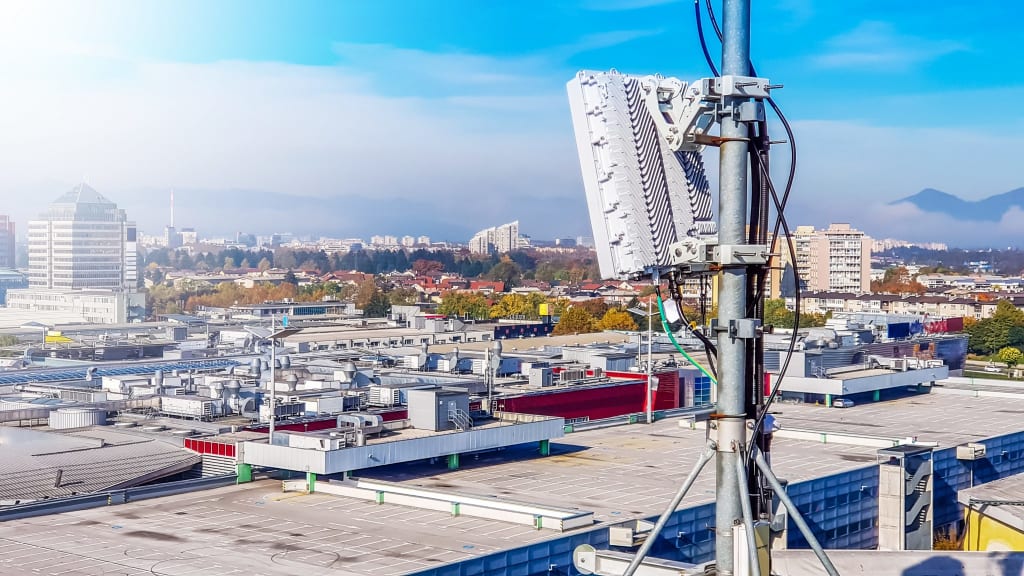
Smart antennas are revolutionizing wireless communication, driving connectivity to new heights in an increasingly digital world. These advanced systems, capable of dynamically adjusting signal patterns, are becoming the backbone of modern networks, from 5G to IoT ecosystems. As industries embrace high-speed, reliable communication, the smart antenna market is poised for explosive growth. This blog post dives deep into the market’s size, share, trends, applications, regulations, challenges, and future opportunities, offering a comprehensive guide to this transformative technology from 2025 to 2033.
Overview of the Smart Antenna Market
Smart antennas, also known as adaptive antennas, use sophisticated signal processing to optimize wireless communication. Unlike traditional antennas that broadcast signals omnidirectionally, smart antennas intelligently direct signals to specific devices, reducing interference and boosting efficiency. This technology is critical in meeting the soaring demand for high-speed data, seamless connectivity, and expanded network capacity across industries.
- Core Functionality: Smart antennas leverage beamforming and Multiple Input Multiple Output (MIMO) technologies to enhance signal quality, minimize fading, and improve spectrum efficiency.
- Market Drivers: Rapid 5G deployment, growing IoT adoption, and increasing demand for high-speed wireless communication fuel market expansion.
- Key Applications: Telecommunications, automotive, defense, smart cities, and IoT devices rely heavily on smart antennas for robust connectivity.
- Global Reach: North America leads the market, but Asia-Pacific is emerging as a high-growth region due to urbanization and technological advancements.
The smart antenna market is at a pivotal moment, with innovations in antenna design and integration reshaping industries. From enabling autonomous vehicles to powering smart homes, this technology is a cornerstone of the digital age.
Market Size & Growth
The global smart antenna market size was valued at USD 6.8 Billion in 2024. Looking forward, IMARC Group estimates the market to reach USD 12.6 Billion by 2033, exhibiting a CAGR of 8.01% from 2025-2033. North America currently dominates the market, holding a market share of over 34.7% in 2024. This robust growth reflects the increasing reliance on advanced wireless technologies and the global push for connectivity-driven solutions.
- Regional Leadership: North America’s dominance stems from its advanced telecommunications infrastructure and widespread 5G rollout, particularly in the U.S.
- Growth Catalysts: The proliferation of mobile devices, IoT expansion, and investments in 5G infrastructure are key drivers of market growth.
- Emerging Markets: Asia-Pacific, driven by countries like China and India, is expected to witness the fastest growth due to smart city initiatives and rising smartphone penetration.
- Sectoral Impact: Telecommunications accounts for a significant share, with cellular systems leveraging smart antennas for enhanced 4G and 5G performance.
The market’s upward trajectory is supported by the global shift toward digitalization, with smart antennas playing a critical role in enabling faster, more reliable communication networks.
Key Trends in the Smart Antenna Market
The smart antenna market is evolving rapidly, shaped by technological advancements and changing industry needs. Below are the key trends driving this transformation:
Rise of 5G Technology
The global rollout of 5G networks is revolutionizing telecommunications, with smart antennas playing a pivotal role in enabling high-speed, low-latency connectivity. Equipped with advanced beamforming and MIMO capabilities, these antennas efficiently manage 5G’s high-frequency millimeter-wave bands, ensuring robust performance. By 2022, 92% of the U.S. population had access to 5G, fueling demand for smart antennas to support applications like ultra-HD streaming and real-time gaming. This widespread adoption drives innovation in antenna designs, enhancing network reliability and capacity for urban and rural deployments.
Incredibly High Growth in IoT
Market research estimates that the Internet of Things (IoT) will generate over 75 billion connected devices by 2025. The growth represents a huge amount of demand for smart antennas which will enable reliable data transportation to ensure that data can be sent seamlessly for multiple IoT needs - from using smart appliances to industrial sensors. One example from healthcare further illustrates the significance: IoT-enabled systems utilize smart antennas for patient monitoring and disease detection purposes, enabling healthcare professionals to monitor patients consistently using data without interruption. Real-time diagnostics were enabled by the use of smart antennas when the data flow from the IoT-enabled device was opened up - data was being shared through the smart antenna technology. Historically, smart technology has introduced better devices for healthcare professionals to leverage thus greatly enhancing the ability for physicians to monitor patients. The growth in IoT systems will need to support versatile, high efficiency antennas as IoT will continue to support its growth in the system.
Advancements in MIMO Technology
By 2024, Multiple-Input and Multiple-Output (often referred to as MIMO) technology is expected to account for 57.8% of the market share and is the basis of smart antenna systems and use. MIMO technology will produce and sustain high data rates to complete the capacity to writing technologies - and is the cause of growth of IoT and 5G systems. The MIMO technology will assist between cities to guarantee connected infrastructures, including in connected traffic management and public safety systems for smart city environments. MIMO allows the use of different frequency bands to minimize limited spectrum capacity while continuing to provide efficient connectivity, and high throughput - that is a consequential gain for IoT systems and satellite activities to provide connectivity to metropolitan areas that have high population and data demands.
Integrating with AI and ML
The integration of artificial intelligence (AI) and machine learning (ML) is changing the smart antenna performance space with dynamic, model-based functionalities. The first AI-based applications are appearing in slewable beam management, allowing smart antennas to optimize the directionality of signals to produce more efficient operations in multi-path, complicated channels such as autonomous vehicles and other industrial IoT networks. In March 2025, Keysight Technologies and Mavenir launched an AI-based Multi-User MIMO testing solution, which drastically reduced the time for verification of complex systems; in this case, evaluating for Multi-User MIMO. These solutions do more than simply improve the performance characteristics of the antenna; they also improve signal robustness, decrease latency for end users, and pursuits of predictively maintainability, in a myriad of edge IoT scenarios, making smart antennas significantly more efficient when rolled out as a enabling technology pathway for next-generation 5G and IoT networks.
Sustainability Focus
Sustainability has become a larger part of operational even for smart antennas, as a result of global commitments to meet environmental priorities. Some manufacturers are working on materials aspects and identifying ecological materials for the manufacturing of their products as part of their eco-stewardship to advance the sustainability agenda. The network technology industry has started to embrace sustainability more prominently, with significant response in the very visible smart city project activity going on globally as governments look for ways to meet sometime aeconomic, but also throughout the manufacturing process (ie. compliance with EU RoHS directive for the “e-cycling” of recyclable, non-hazardous waste). Embracing the current environmental goals of a sustainable industry, again echoes more than just message about reducing e-waste and energy utilization during telecommunications infrastructure projects, it supports the true environmental benefits for the sector as it extends sustainably the path of growth in the deployment of 5G and IoT.
These trends highlight the smart antenna market’s dynamic evolution, with technology and consumer demands driving innovation at every turn.
Industry Applications
Smart antennas are transforming a wide range of industries, enabling applications that require high-speed, reliable communication. Below are the key sectors leveraging this technology:
Telecommunications
The telecommunications sector has a veteran lead on the smart antenna marketplace, as the need for robust mobile connectivity in 4G and 5G networks continues to grow. Smart antennas use technologies like Multiple-Input Multiple-Output (MIMO) to improve signal strength and interference, allowing for high-speed data communication in cities. For example, telecom providers want to offer the highest data capacity they can because the demand for data shifts more towards streaming and real-time communication. These smart antenna systems utilize spectrum more efficiently, while enabling telecom providers to provide better network reliability and meet bandwidth demand in urban areas with a high population for seamless connectivity for millions!
Automotive
Smart antennas are being increasingly utilized in the automotive industry to enable Vehicle-to-Everything (V2X) communication, which is fundamental to connected vehicles and autonomous vehicles. Smart antennas help to facilitate real-time data exchanges between vehicles, infrastructure, and pedestrians, and improve on-road safety and traffic efficiency. A case study in India illustrates their deployment in smart city transportation systems to reduce congestion and enable functionalities such as a collision avoidance system with V2X-enabled antennas. By 2025, the emergence of Level 2 and Level 3 autonomous vehicles brings new demand for high-performance, reliable smart antennas in automotive.
Defense
In the defense sector, smart antennas support mission-critical applications, including radar systems, satellite communication, and secure wireless communications. By ensuring antennas operate reliably under challenging conditions, often with harsh environments and interference due to multipath propagation, they are critical in providing reliable high-quality real-time communication data transmission during missions. Adaptive array antennas, for example, are useful in military drones to ensure that drones remain connected in these unfavourable operating regimes. Their flexibility reduces signal fading by reducing interference in nearby communications of other devices and allowing rapid reconfiguration. Smart antennas are mainly significant for applications that could provide field command bases with capabilities such as tactical real-time battlefield imagery surveillance and encrypted data communication over distances.
Smart Cities
Smart cities rely on smart antennas to drive connected infrastructure, particularly for traffic management systems, video surveillance utilities, and public Wi-Fi. Smart antennas provide low latency, real-time data exchanges which lead to optimizations in urban efficiency and public service offerings. Singapore’s Smart Nation, which leverages smart antennas for IoT solutions such as smart street lighting and environmental monitoring, is a prime example of cities fueling urban infrastructure with smart antennas. Smart antennas help to create connectivity across a variety of urban systems to enhance data-driven decision-making, facilitate sustainability, and enrich quality of life in crowded metropolitan areas by 2025.
IoT Devices
As the number of IoT devices is estimated to surpass 75 billion in 2025, smart antennas are pivotal for seamless connectivity and functionality. Chip antennas are typically more compact in size and are integrated into devices including wearables, smart appliances, smart home utilities, objects in the Industrial IoT, and IoT apps, while also ensuring effective data exchange across all IoT applications. With the advent of smart antennas, we are able to support multiple frequency bands and protocols, while still providing flexibility and reliability. Taoglas’ 9-in-1 antenna is a paradigm shift in the way antenna manufacturers will develop and build antennas, catering for the many subsequent demands on connectivity across the exponentially challenging IoT landscape.
These applications underscore the versatility of smart antennas, making them indispensable across industries driving the digital transformation.
Regulatory Landscape
The smart antenna market operates within a complex regulatory framework, shaped by global and regional standards for wireless communication. Key regulations include:
Spectrum Allocation
The U.S. Federal Communications Commission (FCC) plays a critical role in regulating spectrum allocation for 5G and Internet of Things (IoT) applications to ensure efficient and interference-free communication. In 2023, the FCC prioritized high-band spectrum auctions, particularly in the millimeter-wave range, to support the deployment of advanced 5G networks. These auctions enabled telecom operators to access wider bandwidths, facilitating the use of smart antennas with beamforming and massive MIMO technologies. Such allocations enhance network capacity, speed, and reliability for emerging IoT ecosystems and smart city initiatives.
Safety Standards
Regulatory bodies worldwide, including the FCC and International Commission on Non-Ionizing Radiation Protection (ICNIRP), enforce stringent electromagnetic compatibility (EMC) and safety standards for smart antennas. These regulations ensure that antennas used in 5G and IoT devices operate within safe electromagnetic radiation limits, minimizing health risks to users. Additionally, EMC standards prevent interference with other electronic devices, ensuring seamless coexistence in dense connectivity environments. Compliance is critical for manufacturers to gain market approval and maintain consumer trust in wireless technologies.
Environmental Regulations
Environmental regulations, such as the European Union’s Restriction of Hazardous Substances (RoHS) directive, significantly influence smart antenna manufacturing. RoHS restricts the use of hazardous materials like lead and mercury, pushing manufacturers to adopt sustainable, eco-friendly materials. Compliance reduces environmental impact and aligns with global sustainability goals. Additionally, regulations like the EU’s Waste Electrical and Electronic Equipment (WEEE) directive encourage recycling and proper disposal of antenna components, fostering circular economy practices and minimizing electronic waste in the telecommunications industry.
Automotive Regulations
In the automotive sector, regulations like India’s Intelligent Transportation System (ITS) standards drive the integration of smart antennas in connected vehicles. These standards mandate Vehicle-to-Everything (V2X) communication capabilities to enhance road safety and traffic efficiency. Smart antennas enable real-time data exchange between vehicles, infrastructure, and pedestrians, supporting features like collision avoidance and autonomous driving. Compliance with such regulations boosts demand for advanced antennas, ensuring seamless connectivity and interoperability in the rapidly evolving ecosystem of smart transportation technologies.
Compliance with these regulations is critical for market players, ensuring product reliability and market access. However, navigating diverse regional standards can pose challenges, particularly for manufacturers operating globally.
Challenges in the Smart Antenna Market
Despite its promising growth, the smart antenna market faces several challenges that could hinder its expansion:
High Installation and Maintenance Costs
Rolling your own infrastructure with smart antennas for large-scale 5G networks and smart city projects takes a fair amount of capital and commitment upfront. The high costs in many developing markets come from the infrastructure setup, specialized hardware such as adaptive array antennas, precision engineering, limited maintenance facilities, and greatly specialized and trained labor. Furthermore, maintenance remains an obstacle based on the need to update, repair, or calibrate the system, which can drive up operational costs, and disrupt market adoption whenever there are budget restraints in cities, countries and infrastructures to speed up the roll out of solutions as the world advances toward high-speed networks.
Regulatory Compliance
For smart antenna manufacturers, dealing with different sets of regions results in the complexity of a compliance mentality among their manufacturers and designers. For example, North America's FCC spectrum allocation policies differ from the Asia-Pacific; therefore, the antennas must be individually designed for each region to comply with certain frequency band standards. Compliance with safety, EMC, and environmental standards such as the EU RoHS directive complicates the process even more. In addition, each of these factors raises the production costs and delays time to market, because manufacturers have polluted the antenna even before the production phase. These requirements also make scaling between regions difficult and disrupts timelines for global rollouts.
Signal Interference
Intelligently designed smart antennas can mitigate interference by using beam steering, but urban environments with strong signal congestion can compromise performance for several different reasons. Given 5G and IoT networks have overlapping signals from thousands of devices, users of smart antennas in these environments may experience reliability issues at inopportune times, when performance is not reliable enough. Bugs in the design can be resolved with beam steering approaches and AI based priors for interference management systems, however, these systems also would build extraordinary overhead into the production and development costs the antenna manufacturer could incur. You also have to use high quality algorithms and high quality hardware; and then find balance in smart antennas and pricing, which is especially difficult in an urban mission context where the electromagnetic environment is much more complex.
Supply Chain Barriers
Global problems in supply chains, particularly for essential components like chip antennas, are complicating smart antenna production. Global issues leading to material shortages, such as the recent semiconductor crisis, are interfering with manufacturing timelines, among many other things, and adding material and labor costs. High-performance antennas rely on specialized materials and bespoke chips, and these are often bottlenecked further down the supply chain, so untangling these supply chain barriers becomes more complex with multiple variables affecting the supply chain. These barriers are causing scale limitations, missed timelines for market delivery, and an inability to meet the increasing demand for 5G and IoT applications is resulting in a deceleration of technology uptake worldwide for 5G and IoT technologies.
Cybersecurity Challenges
As smart antenna technology continues to be embedded in even more and more interconnected 5G and IoT ecosystems, risks and threats to cyberattacks such as signal jamming, and data breaches, are a growing concern. While engineers appreciate the need to develop systems that ensure robust security and authenticate these systems through high-end encryption, embedding security into antenna design and implementation makes the whole antenna design process extraordinarily complicated. Designing a secure system incurs more costs with several components of the system requiring additional research and testing prior to development which adds time to the overall development process. Other challenges to the development and uptake of smart antenna technology include consumer assurance and ongoing cyber threats that could jeopardize the uptake of smart antenna technology in security sensitive areas such as autonomous vehicles or smart cities.
Addressing these challenges requires innovation, strategic partnerships, and investment in R&D to develop cost-effective, secure, and compliant solutions.
Future Opportunities
The smart antenna market is brimming with opportunities as technology and connectivity demands evolve. Key areas of growth include:
Expansion of 5G and 6G Networks
The growth of 5G networks, along with the development of 6G networks, is changing the telecommunications industry, and smart antennas are leading the way. The adoption of 5G is rapidly increasing with peaks expected as early as 2025 and is comprised of improved capacities through the utilization of high-frequency millimeter-wave bands. 6G is expected around 2030 but will depend on novel antenna designs that will be able to support terahertz frequencies and ultra-low latency operations. All of these future advancements will enable smart antennas, beamforming, and massive MIMO to increase investment to gain access to enhanced connectivity and applications such as holographic communication and the next generation of applications supported by the Internet of Things.
Self-Driving
The rapid adoption of Level 2 and Level 3 self-driving vehicles reaching the marketplace by 2025 is putting significantly increased demand on smart antennas with Vehicle-to-Everything (V2X) capabilities, scalable and reliable real-time communication between vehicles, infrastructure, and pedestrians are critical elements of V2X equipped vehicles, and they provide collision avoidance, lane-level navigation, and traffic controls, in smart cities they have the added requirement of being able to share information with surrounding networks with low latency and higher reliability that adds up to a safer autonomous driving experience. This is encouraging investments into the development of smaller, compact, and multi-functional high performance antennas applicable to automotive use cases expanding their connectivity and applications functionality.
Internet of Things
The global demand for IoT ecosystem has been predicted to grow to over 75 billion devices connected to the Internet by 2025 this is also a significant demand for small form factor, high efficiency smart antennas. The challenge is to provide IoT development across a vast diversity of applications, including smart homes, smart industrial automation, smart city environments, etc., therefore, ensuring their reliable, adaptable not just for current use but for the future's growing expectations. Provinces more advanced antenna systems now, like Taoglas' 9-in-1 antenna including multiple frequency bands and technologies for a multitude of applications demonstrates a current trend in compact multi-functional vehicles, and designs impact the future viability of co-locating more antennas in single designs while supporting seamless communication in high density IoT populations while contributing toward a sustainable, scalable, energy efficient connected IoT population; only getting larger at a rapid pace.
Smart City Initiatives
Smart city initiatives in regions like Singapore and India are creating tremendous opportunities for smart antenna deployment. These initiatives and projects are predicated on strong, high-speed communications networks that link together multiple pieces of interconnected infrastructure, i.e. smart-grid, smart traffic and smart public safety systems. Smart antennas are the key to enabling dependable, low latency communications that enable real-time data exchange across urban eco-systems. By 2025, urban centres will have benefitted from increased investment to develop their smart city infrastructure and demand smart antenna solutions to connect and communicate with smart IoT devices, solutions and 5G networks, improving urban living and sustainability.
AI and ML Integration
The use of artificial intelligence (AI) and machine learning (ML) is changing the world of smart antennas, using smart algorithms to support features like dynamic beam management and predictive maintenance. In 2025, AI algorithms can augment or change antenna patterns based on real-time network needs in dynamic complex environments, like industrial IoT, autonomous systems etc. ML algorithms will enable smart antennas and systems to anticipate system failures and reduce interruptions and maintenance costs. The antenna's ability to join the efficiencies and brand reliability of networked systems will be enhanced, supporting the applications of 5G, 6G, and IoT-driven densely connected eco-systems for next-generation smart antennas.
These opportunities position the smart antenna market as a key enabler of future technologies, with manufacturers poised to capitalize on the growing demand for connectivity solutions.
Conclusion
Smart antennas are at the forefront of the wireless communication revolution, powering everything from 5G networks to autonomous vehicles and smart cities. With a projected market size of USD 12.6 billion by 2033 and a steady CAGR of 8.01%, the industry is set for remarkable growth. Trends like 5G adoption, IoT expansion, and AI integration are driving innovation, while applications across telecommunications, automotive, and defense highlight the technology’s versatility. Despite challenges like high costs and regulatory complexities, the future is bright, with opportunities in 6G, autonomous vehicles, and smart city projects paving the way for transformative growth. As the world becomes more connected, smart antennas will remain a critical enabler of the digital future.
About the Creator
Andrew Sullivan
Hello, I’m Andrew Sullivan. I have over 9+ years of experience as a market research specialist.
Keep reading
More stories from Andrew Sullivan and writers in Journal and other communities.
Kitchen Appliances Market to Hit $353.96B by 2033: Trends & Insights
Kitchens have evolved from simple cooking spaces into hubs of innovation, convenience, and style. The global kitchen appliances market is growing fast. This growth comes from rapid urbanization, higher disposable incomes, and new technology. Consumers today demand appliances that save time, enhance efficiency, and align with modern lifestyles. Kitchen appliances are changing how we cook, store, and clean. Smart refrigerators and energy-efficient induction stoves lead this transformation. This blog post takes a close look at the kitchen appliances market. It highlights the size, share, trends, and forecasts for 2025 to 2033. The focus includes product type, structure, fuel type, application, distribution channel, and region. Expect a thorough look at key trends, rules, growth drivers, challenges, and future chances in this changing industry.
By Andrew Sullivan8 months ago in Journal
The goals I did not achieve
Every writing goal I made for the year is a wash. It has been this way for a while, but I think it's important to be open about my failures and the reality of how life can get in the way. This is especially true considering the several times I have posted on Vocal about my writing goals, how I was changing my approach, and where I was hoping to be for the upcoming year. I will probably do that again in a couple months, but for now, it is time to acknowledge where I am today.
By Kay Husnick21 days ago in Journal
The Hour the World Went Quiet
It began with a flicker. Not of light, but of absence. The hum of my devices—the soft chime of messages, the buzz of updates, the endless scroll of curated lives—simply stopped. At first, I thought it was a glitch. I tapped screens. Checked cords. Restarted everything twice. But the silence held.
By KAMRAN AHMAD2 days ago in Journal


Comments
There are no comments for this story
Be the first to respond and start the conversation.