
Food Fraud Unmasked
Shocking Truths Behind Global Food Safety Scandals

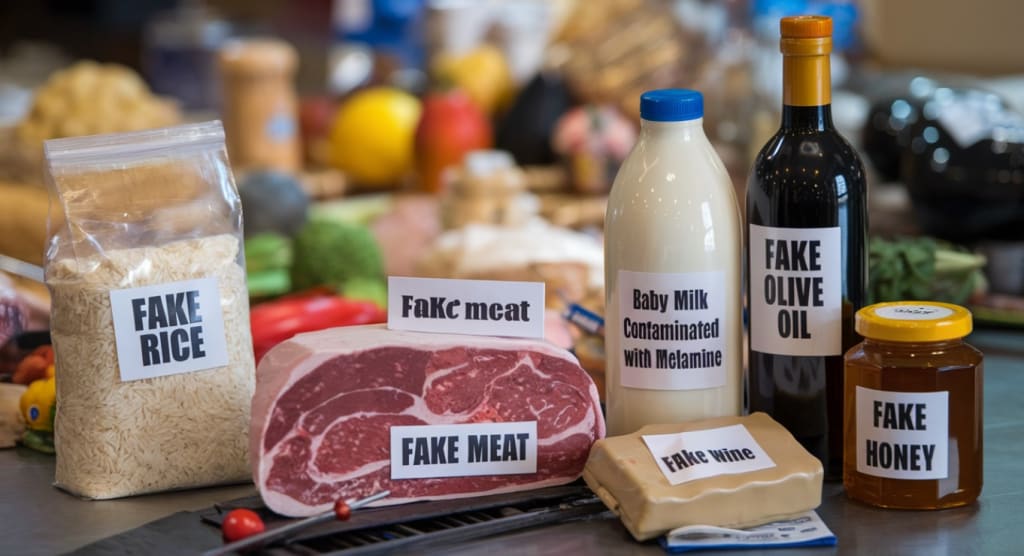
As the need for and delivery of food grows on a worldwide scale, food safety becomes an ever more pressing concern. Health, nutrition, and the effects on people throughout the world are just a few of the many facets that go under the umbrella term "food safety," which extends well beyond the quality of the food that people eat. Conversely, there has been an alarming rise in instances of food fraud, which poses a major risk to public health in a number of nations. Everyone from the government to the food sector to the general public has to pay close attention to this situation.
The International Crisis of Food Safety
The goal of food safety is to eliminate any potential health risks associated with chemicals, physical contaminants, or microorganisms in the food that the general population eats. It is not a simple effort to ensure that food remains safe at every stage of the supply chain. Food contamination from pesticide overuse, environmental degradation, and dangerous manufacturing methods are just a few of the problems that crop up in different parts of the globe as a result of this issue. Inadequate monitoring of food safety is common in underdeveloped nations due to a lack of resources and technology. For instance, according to an FAO report, chemical and biological contamination in food is still a common problem in regions like South Asia and Africa where sanitation is inadequate and where people don't know how to process food safely (FAO, 2022).

The complexity and globalisation of supply networks pose the greatest threats to food safety in industrialised nations. A good illustration of how even seemingly little manufacturing faults may have far-reaching consequences for customers throughout the world is the listeria-related 2021 U.S. dairy product recall (CDC, 2021). Even if nations like the US, EU, and Japan have stringent food safety rules, problems still arise because of the international nature of food distribution and the fact that various countries have varied standards.
Food Fraud: Endangering People's Well-being
The term "food adulteration" refers to the practice of manipulating food items by adding or removing substances in order to boost profits or decrease manufacturing costs, regardless of the consequences for customers. In order to deceive customers about the product's origin or composition, these tactics include using low-quality components, introducing dangerous compounds, or misrepresenting labelling. In many nations, food fraud has recently emerged as an important issue. The 2008 Chinese melamine milk crisis is a famous example; in this case, producers artificially increased the protein levels found in baby formula by adding melamine, according to laboratory testing. Thousands of infants were sick or died from poisoning because of this (WHO, 2008).

In 2013, there were reports of horse meat being mixed with beef in items sold in Europe, which caused alarm throughout the world. Despite misleading advertising claiming it is a high-quality beef product, the product actually includes horse meat, a fact that is not disclosed on the label (BBC News, 2013). This example demonstrates that widespread food adulteration may happen even in nations with stringent rules. Also prevalent is the practice of adulterating honey, olive oil, and wine. European olive oil is often blended with other less expensive vegetable oils despite being marketed as pure olive oil, in contrast to American honey that is frequently combined with corn syrup or other less expensive substances (Spink & Moyer, 2011).

The Effects of Food Fraud on Buyers
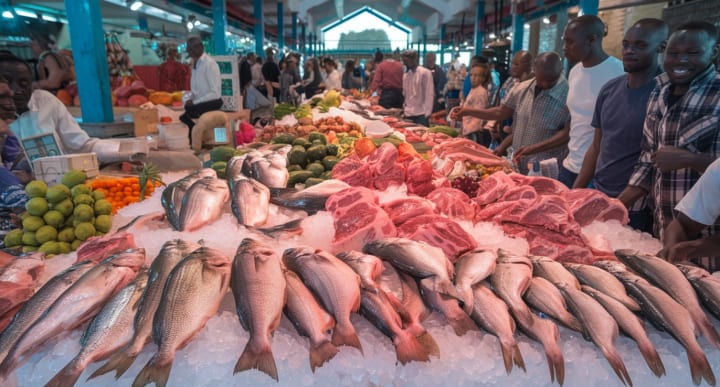
The monetary costs and public health consequences of food fraud are substantial. Health officials must register and approve ingredients to prevent severe sickness, poisoning, and allergic reactions. People with preexisting diseases, such as diabetes or food intolerances, are particularly vulnerable to the long-term health effects of processed goods whose nutrition labels are intentionally misleading. It is still common to hear stories of African restaurants preserving meat and fish using harmful preservatives like formaldehyde. Because formaldehyde is often used to preserve corpses and is very poisonous if taken in sufficient numbers, this procedure is extremely risky (The Guardian, 2020).
Actions Taken Around the World to Combat Food Fraud
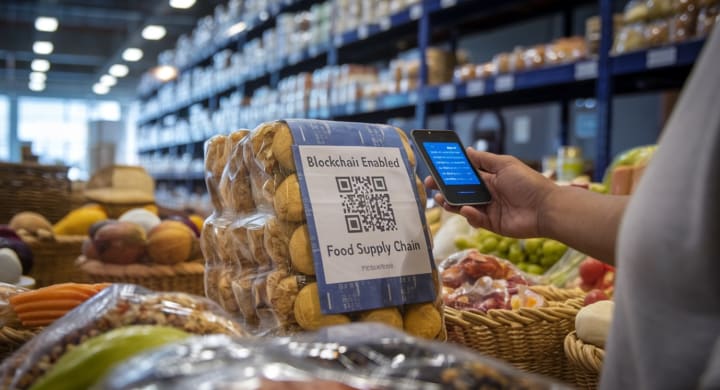
Stricter restrictions and policies have been put in place by some nations to combat food adulteration and enhance food safety. One example is the European Union's elaborate system of food regulation, which includes monitoring crops all the way to the plate of the customer. U.S. food and drink items undergo annual safety inspections by the Food and Drug Administration (FDA). In order to guarantee that food is safe to eat, technology is also crucial. For instance, blockchain technology is being used in food supply chains to make sure that everyone knows exactly where their food came from, how it was prepared, and where it was distributed. This technology allows both customers and authorities to trace a product's path from production to consumption, which boosts trust in goods and decreases the likelihood of counterfeiting (Kshetri, 2018).

Closer global collaboration is necessary, nevertheless, to solve this challenge successfully. Harmonised oversight, legislation, and regulation across nations is necessary to combat food adulteration, a global issue.
Technological Solutions for Ensuring Food Safety and Combating Food Adulteration
One of the biggest problems in the food sector throughout the world is making sure food isn't adulterated. There is an immediate need to use technological measures to guarantee the safety, quality, and authenticity of food ingested, given the increasing complexity of supply networks and the globalisation of food commerce. Blockchain, the Internet of Things (IoT), and DNA barcoding are just a few of the technologies that have been put into place globally to address this issue. Some uses of this technology are detailed below.
- Using Blockchain for Increased Food Safety. The lack of visibility and auditability in food supply chains has led many to turn to blockchain technology as a potential remedy. All participants in the supply chain, from manufacturers to buyers, have access to permanent records made possible by this technology. Production, shipping, and distribution operations, as well as any other information pertaining to the provenance of food items, may be transparently and instantly traced utilising blockchain technology. Making ensuring that food goods meet all safety criteria before they reach customers is of utmost importance. The worldwide retail behemoth Walmart, for instance, has used blockchain technology to monitor perishable goods like produce. When opposed to more conventional techniques, which take days, this approach enables Walmart to quickly determine where things come from. This innovation shortens the time it takes to remove harmful items from circulation and lessens the likelihood that they will be distributed polluted (Kamath, 2018).
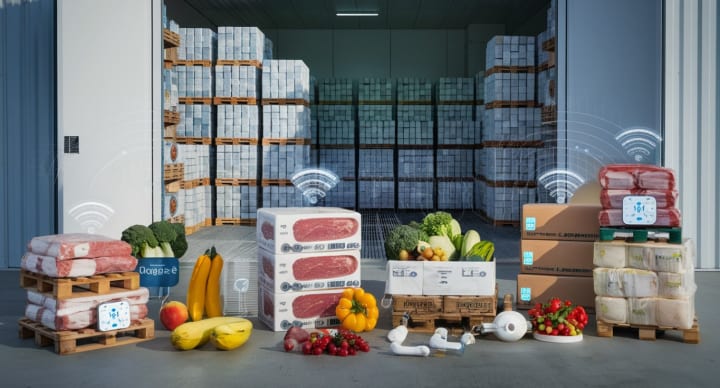
- Monitoring Food Safety with the Internet of Things (IoT). Many applications rely on the Internet of Things (IoT) to track the status of food as it travels through the supply chain. From fields to warehouse storage, sensors linked to the internet can keep an eye on things like temperature and humidity, which may have an impact on food safety and quality. In the case of frozen food delivery, for instance, the IoT system may immediately notify authorities of a significant temperature change, allowing for the prompt implementation of preventative actions. When it comes to perishable goods like meat, milk, and frozen foods, the Internet of Things has been a lifesaver when it comes to keeping food safe. Many European logistics firms utilise Internet of Things (IoT) sensors to track the quality of food throughout storage and transit, guaranteeing that customers get the freshest goods possible (Patel & Patel, 2016).
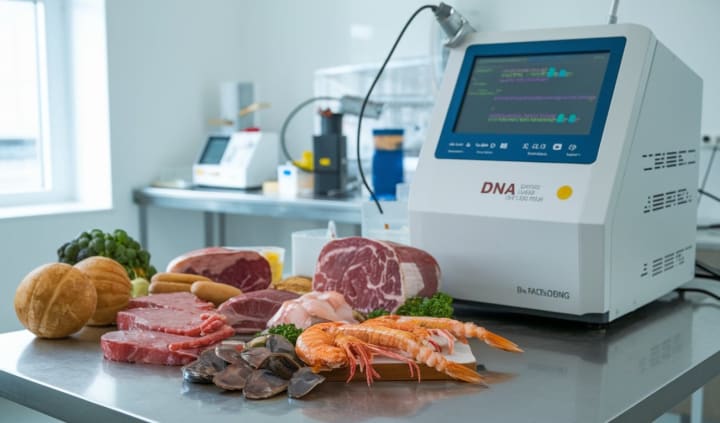
- Using DNA Barcoding to Verify the Origin of a Product. Using low-quality items or inexpensive components in lieu of high-quality products is a common kind of food adulteration. Genomic barcoding is one technology that has helped combat food fraud. Particularly useful in the meat and fish processing industries, this technology allows for the precise identification of food species. Meat, fish, and other seafood items may have their labels and contents verified using DNA barcoding.
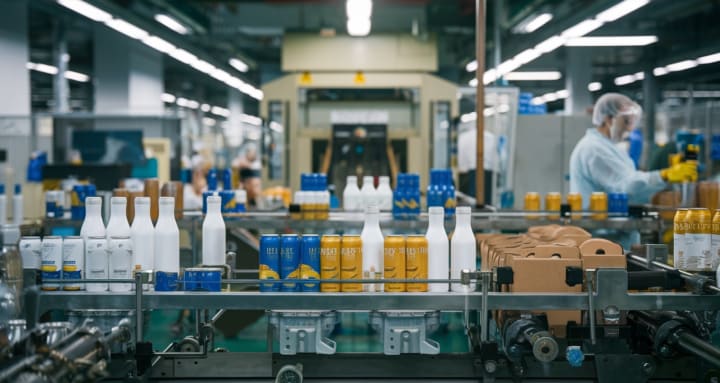
- The Use of AI for Food Inspections. Automated inspection methods that use artificial intelligence (AI) have also been used to enhance food safety. In order to identify any food safety concerns, AI may examine data from a variety of sources, including sensors and photographs. In manufacturing lines, for instance, AI may spot microbe contamination or product flaws that humans miss. Additionally, AI allows for predictive data analysis, which means that businesses may foresee potential contamination or system failure risks and implement preventive measures before they happen. Numerous food processing factories throughout the globe have used this technology to enhance the precision and efficacy of food product inspection (Zhong et al., 2020).
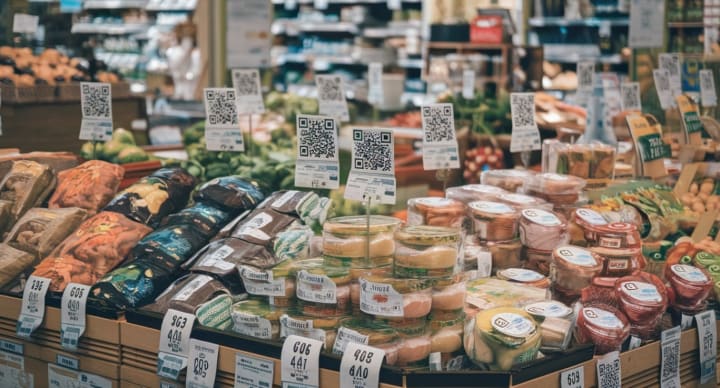
- Product Tracking using QR Codes. With the use of quick response (QR) codes printed on food packaging, shoppers may learn everything about a product's history, ingredients, and quality with the tap of a smartphone. By making the food supply chain more transparent, this technology reassures buyers that the goods they buy are authentic and have been through procedures that are safe for consumption. Using QR codes, Japanese shoppers can trace the origins of many food items—particularly organic and imported goods—from the farm to the retail shelf. When issues arise with specific items, this facilitates their prompt management as well (Kshetri, 2018).
In summary
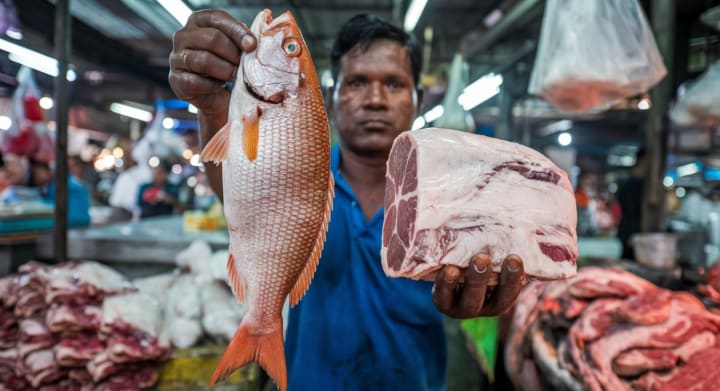
Concerns about food fraud and contamination affect people's well-being and their faith in the food industry on a worldwide scale. Many nations, both developed and developing, engage in food adulteration, which involves substituting original components with cheaper or potentially harmful ones. The magnitude of the issue is shown by scandals like the melamine milk scandal in China and the horse meat adulteration scandal in Europe.
Several technological solutions have been put in place to combat these issues and make food safer and less likely to be adulterated. With the use of blockchain technology, product origins can be tracked quickly and transparently, and the Internet of Things (IoT) can keep an eye on food storage conditions to make sure they don't go bad. The fishery and livestock sectors use DNA barcoding to certify food goods. Artificial intelligence (AI) also aids in the automated identification of contamination, and rapid response (QR) codes provide customers with information about products quickly. When it comes to avoiding food adulteration on a global scale and enhancing supply chain transparency and safety, technology is a key player.
About the Creator
Keep reading
More stories from Ade Bastian and writers in Journal and other communities.
Artificial Superintelligence (AS)
In the ongoing narrative of human advancement, the notion of machines surpassing human intellect has long oscillated between awe and anxiety. Yet today, we stand on the precipice of such a possibility—Artificial Superintelligence (AS), a form of intelligence that would eclipse not just narrow human tasks but the totality of our cognitive capabilities. As we navigate this frontier, the critical question is not just whether AS will emerge, but how we choose to shape it, and in doing so, how it may reshape us.
By Ade Bastian9 months ago in Futurism



Comments (1)
It is necessary to strictly check the foods https://tiny-fishing.com sold in supermarkets, otherwise eating them will not only cause food poisoning but also cause many diseases.