
Faucet Industry to Reach $58.30B by 2033: Key Trends Unveiled
Exploring the $58.30B faucet market by 2033: trends, urbanization, smart tech, sustainability, challenges, and opportunities shaping global growth.

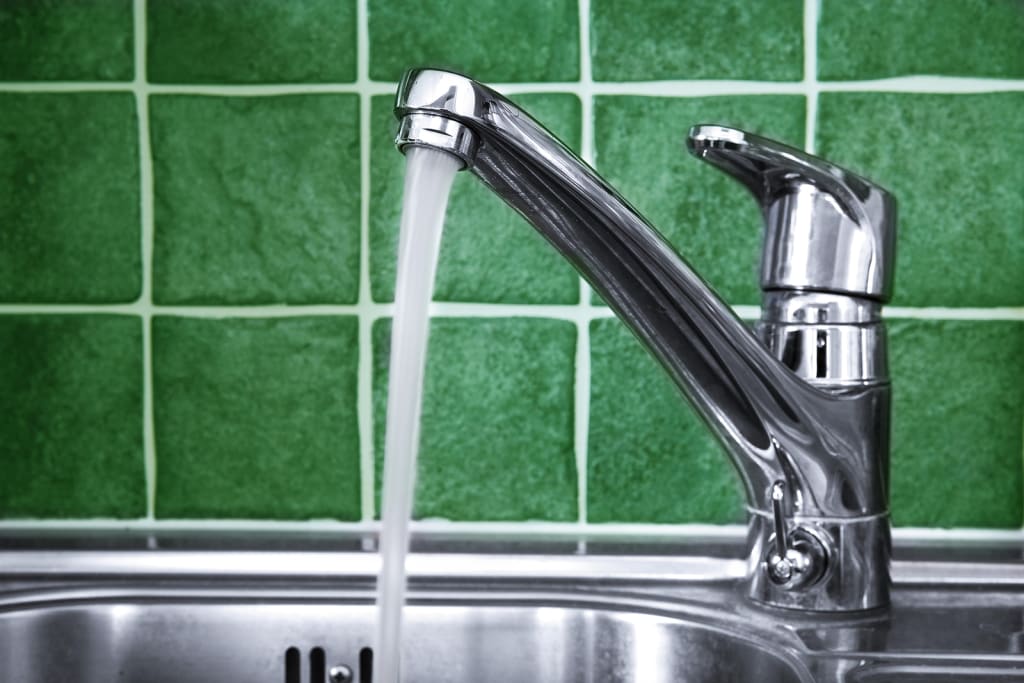
Dive into the dynamic world of the faucet industry, where innovation meets functionality to shape modern living spaces. From sleek, touchless designs to eco-friendly solutions, faucets are more than just plumbing fixtures they’re a cornerstone of contemporary home and commercial design. This comprehensive blog post explores the faucet market’s size, share, trends, and forecast from 2025 to 2033, delving into key drivers like urbanization, technological advancements, and sustainability. Whether you’re a homeowner, industry professional, or investor, discover the forces propelling this market forward, the challenges it faces, and the exciting opportunities on the horizon.
Overview of the Faucet Market
Faucets, essential components of plumbing systems, regulate water flow in kitchens, bathrooms, and commercial spaces. Beyond their utilitarian purpose, they’ve evolved into stylish, technologically advanced fixtures that enhance aesthetics and efficiency. Rapid urbanization, rising consumer demand for smart home solutions, and a global push for water conservation are fueling market growth. Manufacturers are responding with innovative designs, from motion-sensor faucets to water-saving models, catering to diverse consumer preferences.
- Diverse Applications: Faucets serve residential, commercial, and industrial sectors, with specialized designs for kitchens, bathrooms, and public restrooms.
- Technological Advancements: Smart faucets with touchless operation, voice control, and temperature regulation are gaining traction.
- Material Variety: Common materials include brass, stainless steel, chrome-plated plastic, and zinc, balancing durability and cost.
- Global Reach: The market spans North America, Europe, Asia Pacific, Latin America, and the Middle East, with Asia Pacific leading due to rapid construction.
- Sustainability Focus: Eco-friendly faucets with low-flow aerators align with global water conservation goals.
This vibrant market is shaped by consumer trends, regulatory frameworks, and technological breakthroughs, making it a focal point for innovation and investment.
Market Size & Growth
The global faucet market size was valued at USD 31.03 Billion in 2024. Looking forward, IMARC Group estimates the market to reach USD 58.30 Billion by 2033, exhibiting a CAGR of 6.51% during 2025-2033. Asia Pacific currently dominates the market, holding a significant market share of over 33.0% in 2024. This robust growth reflects a confluence of factors, including rising construction activities, increasing consumer spending on home renovations, and a shift toward sustainable plumbing solutions.
- Regional Leadership: Asia Pacific’s dominance stems from rapid urbanization in countries like China and India, coupled with government-led housing initiatives.
- Construction Boom: Global residential and commercial construction projects drive demand for modern faucets.
- Consumer Spending: Higher disposable incomes enable investments in premium, aesthetically pleasing fixtures.
- Sustainability Push: Water-efficient faucets are increasingly adopted to meet environmental regulations and reduce utility costs.
- Technological Adoption: Smart and touchless faucets are boosting market value, especially in developed regions.
The market’s upward trajectory is supported by demographic shifts, such as the rise of nuclear families and smaller households, which increase the need for individualized plumbing solutions. For example, in India, government initiatives aim to build 11 billion housing units by 2030, significantly boosting faucet demand.
Key Trends in the Faucet Market
The faucet industry is undergoing a transformation, driven by consumer preferences, technological innovation, and environmental consciousness. Below are the most prominent trends shaping the market:
Emergence of Intelligent Faucets
Smart faucets with motion detection, touchless operation, and voice control are revolutionizing convenience and sanitation. Hailed in hospitals, airports, and technologically advanced households, these units provide functionalities such as Wi-Fi connectivity for tracking water consumption through smartphone applications. For instance, a top brand's smart faucet pairs with home systems for greater user control. As the smart home movement expands, manufacturers are developing more intuitive, efficient faucets that respond to consumer demand for connected, sanitary solutions.
Aesthetic and Customization Orientation
Faucets are today central design components, where style and functionality come together. Sleek lines with matte black finishes, minimalist designs, or classic-inspired spouts fit into varied interior styles. Brushed nickel or satin gold finishable faucets attract luxury residences and boutique hotels. Buyers and designers want faucets that are great at aesthetics, hence are made central in kitchens and bathrooms. This trend fosters innovation in distinctive, high-end designs that adapt to bespoke, high-end interiors.
Water Efficiency and Sustainability
Worldwide water shortages fuel the need for low-flow faucets and aerators that save water without compromising performance. These green-friendly designs attract environmentally aware consumers and companies seeking green building status such as LEED certification. Pressure-compensating aerators and other advanced technologies provide steady flow with water savings. Companies are focusing on sustainable materials and manufacturing processes, keeping pace with regulatory requirements and consumer demand, making water-efficient faucets a foundation of sustainable home and commercial design.
Touchless Technology
Sanitation issues, driven by the COVID-19 crisis, have driven demand for touchless faucets. First favored in public toilets, the fixtures are increasingly used in kitchen and bath fixtures in residential settings. Infrared technology facilitates hands-free use, minimizing germ transfer and maximizing cleanliness. Sleek designs and water-conserving qualities make them suitable for today's homes. Component manufacturers are improving sensor sensitivity and battery life, allowing touchless faucets to satisfy users' demands for hygiene, convenience, and eco-friendliness in a variety of applications.
Integration with Smart Home Systems
Faucets are becoming more integrated with smart home systems such as Amazon Alexa and Google Home, allowing voice control of water flow and temperature. This smooth integration attracts consumers looking for seamless, technology-based home experiences. For example, one may remotely adjust settings or automate sequences, increasing convenience and efficiency. Companies are creating designs that are interoperable across various platforms to accommodate a variety of systems, making faucets part of the connected home infrastructure, propelling adoption in technology-oriented homes and businesses.
Case Study: A luxury hotel chain in Dubai retrofitted its bathrooms with touchless, smart faucets to enhance guest experience and reduce water usage by 20%. The project not only improved operational efficiency but also strengthened the brand’s sustainability credentials.
These trends highlight the industry’s shift toward innovation, sustainability, and user-centric design, setting the stage for continued growth.
Impact of Urbanization on Faucet Demand
Urbanization is a key driver of faucet market growth, as cities expand and infrastructure develops. By 2050, nearly 68% of the global population is expected to live in urban areas, necessitating new residential and commercial spaces equipped with modern plumbing fixtures. This trend is particularly pronounced in emerging economies like China, India, and Brazil, where rapid urban development fuels construction activities.
- Residential Growth: Urban migration increases demand for apartments and single-family homes, each requiring multiple faucets for kitchens and bathrooms.
- Commercial Expansion: New office buildings, shopping malls, and hospitality venues drive demand for high-performance, stylish faucets.
- Infrastructure Projects: Government initiatives, such as India’s Smart Cities Mission, allocate billions for urban development, boosting faucet sales.
- Smaller Households: The rise of nuclear families and single-person households increases the number of residential units, each needing plumbing fixtures.
For example, in China, the government’s focus on affordable housing has led to a surge in residential construction, with developers prioritizing water-efficient faucets to meet regulatory standards. Similarly, in Latin America, urban renewal projects in cities like São Paulo are driving demand for premium, designer faucets in upscale apartments.
Urbanization also influences consumer preferences, with city dwellers favoring compact, multifunctional faucets that suit smaller living spaces. This dynamic underscores the market’s responsiveness to demographic and societal shifts.
Emerging Applications in Faucet
Faucets are finding new applications beyond traditional kitchens and bathrooms, reflecting evolving consumer needs and industry innovation. These emerging uses are expanding the market’s scope and creating opportunities for manufacturers.
Outdoor Faucets
Increased use of outdoor living areas, including patios, gardens, and outdoor kitchens, drives demand for rugged, weather-resistant faucets. The fixtures accommodate gardening, outdoor cooking, and pool maintenance with corrosion-resistant materials such as stainless steel or brass. Sleek designs add visual appeal, combining functionality with beauty. Companies are offering freeze-proof and UV-resistant faucets to endure extreme weather, meeting homeowners' demands for upgrading outdoor living areas with high-performance, reliable faucets.
Health Facilities
Hospitals and clinics increasingly embrace touchless faucets to reduce infection risks and improve hygiene. With infrared sensors, the faucets minimize contact in high-traffic zones such as operating rooms, patient wards, and bathrooms. Water-efficient designs fit into sustainability objectives, while rugged construction provides reliability under heavy use. Adherence to stringent health codes spurs the development of antimicrobial coatings and lead-free components, making touchless faucets compulsory for contemporary healthcare facilities that value safety and operational efficiency.
Public Infrastructure
Airports, train stations, and stadiums need vandal-resistant, high-capacity faucets to handle masses of people. They are constructed for durability, utilizing heavy-duty materials such as stainless steel to endure heavy use and possible tampering. Water-conserving designs, including low-flow valves, enable public sector environmental sustainability efforts. Simple maintenance and modular parts limit downtime in busy settings. Manufacturers prioritize balancing functionality with affordability, guaranteeing these faucets can deliver on the high-traffic public infrastructure project demands.
Modular Homes and Tiny Houses
The growth of modular and small homes, fueled by value and sustainability, demands more efficient, multi-functional faucets. Multifunctional, space-saving faucet designs feature pull-down sprayers and folding spouts to optimize function in small areas. Long-term performance is achieved with heavy-duty, lightweight materials, while sleek, contemporary design speaks to environmentally aware consumers. Versatile, water-conserving faucets are being created by manufacturers to address the distinctive requirements of this emerging market, further fueling the movement toward minimalist, eco-friendly lifestyle solutions.
Example: A modular home builder in California incorporated space-saving, dual-control faucets into its designs, appealing to eco-conscious millennials seeking affordable housing. The faucets’ sleek design and water-saving features enhanced the homes’ marketability.
These emerging applications demonstrate the faucet market’s adaptability, catering to diverse sectors and lifestyles while driving innovation.
Material Trends in Faucet Manufacturing
The choice of materials in faucet manufacturing significantly impacts durability, cost, and aesthetics. Manufacturers are balancing functionality with consumer demand for stylish, sustainable options. Key material trends include:
Brass
Brass is an elite material for faucets because of its superior durability, resistance to corrosion, and upscale appearance. A perfect choice for high-end faucets, it accommodates elaborate designs and offers long-term performance, finding popularity with luxury homes, hotels, and high-end commercial environments. Antimicrobial properties promote hygiene, welcoming health-conscious buyers. Even with greater expenses, brass's upscale feel and dependability make it worthwhile for elegant, classic faucet designs, enjoying robust demand within the premium market segment.
Stainless Steel
Stainless steel is valued for its shiny, contemporary look and higher resistance to tarnishing and rusting. Less expensive than brass, it's widely used in mid-range faucets, especially in commercial areas such as offices and restaurants. Durable, it lasts long, with a neutral finish that harmonizes with a wide range of design styles. Simple to clean and maintain, stainless steel satisfies cost-sensitive consumers who desire quality at an affordable price, thus its universal application in modern faucet designs.
Chrome-Plated Plastic
Plastic chrome-plated is an affordable option for budget-minded consumers, with a shiny, polished appearance at a reduced price. Improvements in the technology of plating have improved its durability and shine, and it is now a viable option for household bathrooms and kitchens. Light, yet corrosion-resistant, it is attractive to manufacturers seeking mass-market popularity. Though not as durable as metal, chrome-plated plastic faucets are suitable for low-cost, tasteful home renovations.
Zinc Alloys
Die-cast zinc alloys find a sweet spot between strength, cost, and versatility and are perfect for mass-produced faucets. Simple to be molded into all shapes and sizes, zinc accommodates a variety of finishes ranging from matte black to chrome polish, meeting different customer needs. Its affordability enables producers to provide stylish, functional faucets at low prices. Although not as durable as brass, zinc's flexibility and cost-effectiveness enable it to be a mainstay in mid-range and economical lines of faucets in residential and commercial settings.
Sustainable Materials
Sustainable materials, including recycled metals and low-lead alloys, are gaining favor as companies react to environmental codes and green consumers. Sustainable materials minimize environmental footprint without sacrificing performance and durability. Low-lead alloys guarantee compliance with health codes, and recycled metals reduce the use of resources. Faucets constructed from sustainable materials resonate with green building initiatives and green-oriented purchasers, providing a competitive advantage for markets that value sustainability and enabling sustained industry trends toward green manufacturing processes.
Case Study: A European faucet manufacturer launched a line of faucets made from recycled brass, reducing production emissions by 15%. The collection, marketed as eco-luxury, gained popularity among environmentally conscious consumers in Germany and France.
Material trends reflect the industry’s focus on innovation, sustainability, and cost-effectiveness, catering to diverse market segments.
Regulatory Landscape
The faucet market operates within a framework of regulations aimed at ensuring safety, efficiency, and environmental sustainability. Key regulations include:
Water Efficiency Standards
Governments worldwide are implementing more stringent water conservation standards to fight shortage. The U.S. EPA's WaterSense program labels low-flow faucets like 1.5 gallons per minute, conserving water. Europe and Asia have regulations that mandate aerators and flow restrictors to reduce wastage. Products need to be redesigned by manufacturers to adhere to these, while ensuring performance and compliance. Incorporating sensor-based flow control, innovative technologies guarantee market competitiveness, as well as global sustainability objectives and lower consumer water bills.
Lead-Free Requirements
Laws such as the U.S. Safe Drinking Water Act stipulate low-lead materials for faucets to safeguard public health. Low-lead brass or other materials such as stainless steel must be used by manufacturers, driving up costs but providing safe drinking water. Adherence is ensured by severe testing and certification, especially in Europe and North America. The standards lead to more innovative material science, paving the way for safer, more durable products. Failure to comply can result in heavy penalties and market ban, making it essential to maintain consumer confidence and regulatory compliance.
Green Building Codes
Green building codes, including LEED and BREEAM, promote water-efficient, sustainable faucets in new construction. Mandatory compliance is usually needed for government projects and high-value commercial developments. These regulations demand low-flow product design and environmentally friendly materials, reflecting worldwide trends in sustainability. Manufacturers that meet these regulations enter the high-paying markets and build brand credibility. Investing in certified products allows qualifying for green certifications, appealing to environmentally minded developers and addressing increasing demand for sustainable building solutions.
Anti-Counterfeiting Measures
Imitation faucets in emerging economies such as India and China undermine safety and quality. Regulators are stepping up efforts against counterfeits, compelling manufacturers to implement verification methods including holograms, QR codes, and serial numbers. These technologies enable product verification, keeping consumers away from low-quality, unsafe products. Compliance enhances brand authenticity and market confidence. Manufacturers have to join hands with regulators and e-commerce sites to root out counterfeits to ensure safe, dependable products capture price-sensitive markets.
Example: In California, stringent water efficiency laws prompted manufacturers to redesign faucets with advanced aerators, reducing flow rates by 30% while maintaining user satisfaction. This adaptation not only ensured compliance but also boosted brand reputation.
While regulations drive innovation, they also increase compliance costs, challenging smaller manufacturers. Staying ahead requires investment in R&D and strategic partnerships.
Challenges in the Faucet Market
Despite its growth, the faucet market faces several challenges that could impact profitability and expansion:
Supply Chain Disruptions
Global supply chains, such as raw material availability issues, transportation bottlenecks, and geopolitical conflicts, heavily affect faucet manufacturers. For instance, unpredictable brass prices drive up costs, which compress profit margins. Logistical blockages slow down shipments, infuriating buyers and destroying project schedules. Manufacturers have to spread their bases of suppliers and invest in local procurement to hedge against risks. Developing robust supply chains is essential to preserve cost-effectiveness and ensure demand, particularly within an industry where timely delivery is a differentiator.
Counterfeit Products
In emerging economies, counterfeited faucets degrade brand reputation and pose safety risks. Low-quality imitations, frequently sold on online platforms, price out authentic products in price-sensitive markets. Consumers unknowingly buy unsafe, non-compliant faucets, resulting in leaks or contamination. Manufacturers have to fight back against counterfeits using strong branding, authentication solutions, and litigation. Informing consumers of the dangers of counterfeits and collaborating with e-commerce sites to have fakes taken down are critical to maintaining brand integrity and market share.
High Competition
The faucet market is highly fragmented, with global giants, regional players, and niche manufacturers competing fiercely. This intense rivalry pressures pricing, forcing companies to balance affordability with quality. Continuous innovation in design, technology, and sustainability is necessary to differentiate products and capture consumer interest. Smaller brands struggle to compete with the marketing budgets of industry leaders. Strategic alliances, value propositions, and niche marketing efforts are essential for the manufacturers to be noticed in this congested, competitive market.
Regulatory Compliance Costs
Strict standards for water efficiency and lead-free products require heavy investment in product development, testing, and certification. Small manufacturers, who have fewer financial resources, struggle to meet these standards, incurring the risk of market exclusion. Compliance guarantees safety for consumers and the environment but adds to the cost of production. Larger companies can afford these costs and gain a competitive advantage. To survive, small companies need to rationalize operations, use cost-saving technologies, and access government incentives to counterbalance the cost of compliance.
Economic Uncertainty
Inflation, rising interest rates, and volatile consumer spending instill economic uncertainty, depleting demand for premium faucets, particularly in price-conscious emerging markets. Consumers focus on discretionary purchases, postponing home improvement activities. Manufacturers struggle to support sales volumes while coping with higher costs of production. Providing flexible pricing, low-cost product lines, or financing support can maintain demand. Diversifying into stable markets and value-oriented products assist manufacturers in coping with economic volatility, ensuring stability in an uncertain global economy.
Case Study: A mid-sized faucet manufacturer in India faced declining sales due to counterfeit products flooding online marketplaces. By implementing QR code-based authentication and partnering with e-commerce platforms to remove fakes, the company regained consumer trust and boosted sales by 10%.
Addressing these challenges requires strategic investments in technology, supply chain resilience, and brand protection.
Future Opportunities
The faucet market is ripe with opportunities for growth and innovation, driven by technological advancements and changing consumer needs:
Expansion in Emerging Markets
Asia Pacific, Latin America, and Africa's high rates of urbanization bring enormous opportunity for faucet makers. These markets demand affordable, long-lasting faucets that meet local tastes, such as bright colors or small size for smaller dwellings. Establishing local alliances and knowledge of regional water infrastructure allows manufacturers to enter these markets. Low-cost manufacturing and distribution networks guarantee competitive prices, attractive to the emerging middle class and building brand equity in these high-growth, underserved emerging markets.
Smart Faucet Innovation
The home automation industry for smart homes is flourishing, especially among Gen Z and millennials. Smart faucets with water usage monitoring, leak detection, and voice control can be created at affordable prices by manufacturers. Combining them with common home automation systems maximizes convenience and efficiency. Inexpensive pricing and user-friendly designs increase marketability, making brands leaders in the IoT-home upgrade market. These innovations respond to consumer needs for eco-friendly, technology-driven solutions, propelling the smart faucet market's growth in the competitive industry.
Sustainable Product Lines
Green consumers and stringent regulations drive demand for sustainable faucets. Companies invest in products that are made from recycled content or engineered for water conservation, including low-flow aerators. These are popular with eco-conscious consumers and are eligible for government green building contracts. Marks such as WaterSense help create trust and differentiate company brands. Sustainable lines lower environmental footprints while increasing profitability with premium pricing and customer loyalty, which are global trends towards green home solutions.
E-Commerce Growth
The growth of e-commerce provides faucet makers with a universal stage to access diverse buyers. Online marketing strategies such as SEO and social networking increase brand awareness. Collaborations with giants such as Amazon or Alibaba simplify distribution and make products more accessible. Online product demonstrations and detailed product specifications generate buyer trust. This online transformation allows manufacturers to access new markets, lower overheads, and create an extendable online platform, riding on the booming e-commerce wave.
Customization and Personalization
High-end buyers and boutique developers want distinctive, high-end faucets to enhance their properties. Companies can provide customized versions, such as modular parts, personalized finishes such as brushed gold or matte black, or etched designs. Satisfying personal tastes commands premium prices and guarantees loyalty. Working with designers and architects guarantees customized solutions for high-end projects. This niche for custom faucets opens up differentiation possibilities, solidifying brand presence in the intense luxury home furnishings market.
Example: A startup in Singapore launched a line of modular faucets allowing users to swap finishes and handles, targeting young homeowners. The product’s success on crowdfunding platforms highlighted the demand for personalized fixtures.
By capitalizing on these opportunities, manufacturers can strengthen their market position and drive long-term growth.
Conclusion
The faucet market is poised for significant growth, driven by urbanization, technological innovation, and a global emphasis on sustainability. From smart, touchless designs to eco-friendly materials, faucets are evolving to meet the demands of modern consumers and regulatory frameworks. While challenges like supply chain disruptions and counterfeiting persist, the opportunities in emerging markets, e-commerce, and sustainable innovation are vast. As the industry navigates this dynamic landscape, manufacturers that prioritize innovation, compliance, and consumer-centric design will thrive. Stay tuned to this space as faucets continue to redefine functionality and style in homes and businesses worldwide.
About the Creator
Andrew Sullivan
Hello, I’m Andrew Sullivan. I have over 9+ years of experience as a market research specialist.
Keep reading
More stories from Andrew Sullivan and writers in Journal and other communities.
Power Cables Market Forecast: $289.9 Billion by 2033, Top Trends
Dive into the electrifying world of power cables, where innovation meets necessity to power our modern lives. From sprawling urban grids to remote renewable energy installations, power cables form the backbone of global energy infrastructure. Rapid urbanization, booming renewable energy projects, and cutting-edge technological advancements are driving unprecedented growth in this dynamic market. This blog post explores the power cables market, unpacking its size, trends, challenges, and future opportunities, segmented by installation, voltage, end-use sector, material, and region for the forecast period of 2025-2033.
By Andrew Sullivan8 months ago in Journal
7 Business Knowledge Loops That Self-Improve on AI PCs
The business world is changing faster than ever before. Companies that stay ahead are those that use smart technology to learn and grow continuously. AI PCs have opened up a new frontier for businesses to create knowledge loops that get better with every cycle. These systems learn from your data and improve their performance automatically. Think of it like a business brain that never stops getting sharper.
By Gabriella Browne6 days ago in Journal


Comments
There are no comments for this story
Be the first to respond and start the conversation.