
Exploring the Complex Relationships Between India and Pakistan
The impact of regional and international politics on India-Pakistan relations.

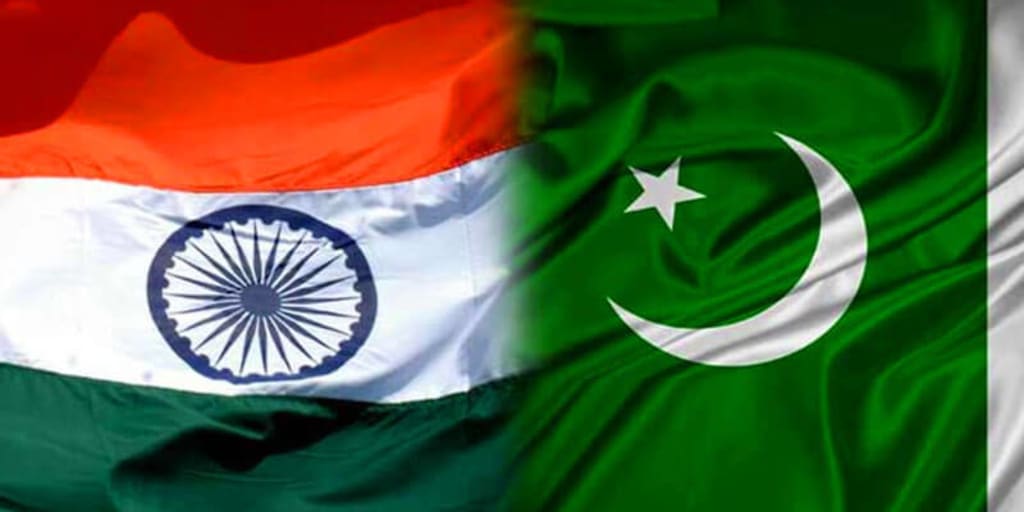
A history of conflict and cooperation
India and Pakistan have a complex history marked by both conflict and cooperation. The two countries gained independence from British rule in 1947, and since then have fought several wars, including the Indo-Pakistani War of 1947, the Indo-Pakistani War of 1965, and the Bangladesh Liberation War in 1971. In addition to these major conflicts, there have also been numerous border skirmishes and military standoffs.
Despite this history of conflict, there have also been moments of cooperation between India and Pakistan. The two countries have signed several peace agreements, including the Shimla Agreement in 1972 and the Lahore Declaration in 1999, which aimed to improve relations and resolve conflicts peacefully. In recent years, there have also been efforts to increase trade and cultural exchange between the two countries.
Overall, the relationship between India and Pakistan is complex and multifaceted, with a mix of both conflict and cooperation throughout history.
The role of religion in shaping relations
Religion has played a significant role in shaping the relationship between India and Pakistan. The two countries were created in 1947 as part of the partition of British India, with Pakistan becoming a predominantly Muslim country and India remaining predominantly Hindu. This religious divide has often contributed to tensions between the two countries, with issues such as the disputed region of Kashmir becoming a source of conflict.
In addition to the Hindu-Muslim divide, there have also been tensions between other religious groups in the two countries. For example, Pakistan has faced criticism from India and the international community for its treatment of minority groups, including Hindus, Christians, and Ahmadis.
Despite these religious tensions, there have also been efforts to promote interfaith dialogue and cooperation between India and Pakistan. In recent years, there have been various initiatives aimed at fostering understanding and mutual respect between religious communities in the two countries.
Overall, religion has played a complex and often contentious role in shaping relations between India and Pakistan, but there have also been efforts to promote understanding and cooperation between the two nations.
Impacts of territorial disputes on bilateral relations
Territorial disputes have had a significant impact on the relationship between India and Pakistan. One of the most longstanding and intractable disputes is over the region of Kashmir, which has been a source of conflict since the two countries gained independence in 1947. Both India and Pakistan claim sovereignty over the region, and the dispute has resulted in several wars and military standoffs.
The dispute over Kashmir is not the only territorial issue that has strained relations between India and Pakistan. The two countries have also had disputes over the Siachen Glacier and the Sir Creek estuary. These disputes have contributed to the overall tension and mistrust between the two nations and have made it difficult to improve relations.
The territorial disputes between India and Pakistan have also had broader regional and international consequences. Both countries have sought support from other nations in their territorial claims, and the disputes have contributed to the larger geopolitical tensions in South Asia.
Overall, territorial disputes have had a significant and lasting impact on the bilateral relations between India and Pakistan, and have been a major source of tension and conflict between the two countries.
Efforts towards peace and diplomacy
Despite the long history of conflict and tension between India and Pakistan, there have also been efforts towards peace and diplomacy. The two countries have signed several peace agreements and accords over the years, including the Shimla Agreement in 1972 and the Lahore Declaration in 1999, which aimed to improve relations and resolve conflicts peacefully.
In recent years, there have been various initiatives aimed at promoting dialogue and cooperation between India and Pakistan. These have included track II diplomacy efforts, in which informal groups of scholars, policymakers, and other experts engage in dialogue and work towards building trust and understanding between the two countries. There have also been cultural and sporting exchanges, as well as efforts to increase trade and economic cooperation.
While progress towards peace and diplomacy has often been slow and difficult, these efforts have helped to reduce tensions and improve relations between India and Pakistan. However, significant challenges remain, and it is important for both countries to continue working towards a more peaceful and cooperative relationship.
The future of India-Pakistan relations
The future of India-Pakistan relations is uncertain, and will depend on a variety of factors. One major challenge is the ongoing territorial disputes between the two countries, particularly the dispute over Kashmir. The resolution of this dispute could have a major impact on relations between India and Pakistan, and efforts to find a peaceful solution will be crucial.
In addition to territorial disputes, religion and cultural differences have also played a role in shaping the relationship between India and Pakistan. Improving understanding and cooperation between different religious and cultural groups will be important for the future of relations between the two countries.
There are also economic and security considerations that will shape the future of India-Pakistan relations. Increased economic cooperation and trade could help to improve relations, as could efforts to address common security challenges, such as terrorism and extremism.
Overall, the future of India-Pakistan relations is complex and multifaceted, and will depend on a range of factors, including efforts to resolve territorial disputes, promote understanding and cooperation between different religious and cultural groups, and address common security and economic challenges.
The role of cultural exchange and people-to-people relations
Cultural exchange and people-to-people relations have played a significant role in the complex relationship between India and Pakistan. Despite the political tensions and conflicts between the two countries, there have also been efforts to promote cultural understanding and exchange.
One example of cultural exchange between India and Pakistan is the exchange of artists, writers, and performers. Both countries have a rich cultural heritage, and there have been various initiatives to bring artists from one country to the other to share their work and foster greater understanding.
There have also been efforts to promote people-to-people relations through educational and academic exchange programs. These programs have allowed students and scholars from both countries to study and research in the other country, which can help to build connections and foster mutual understanding.
In addition to formal exchange programs, there have also been informal efforts to promote cultural exchange and people-to-people relations. This has included the exchange of music, films, and other cultural products, as well as efforts to build connections through social media and other online platforms.
Overall, cultural exchange and people-to-people relations have the potential to play a positive role in the India-Pakistan relationship, by promoting understanding and building connections between the two nations.
About the Creator
Juliet
hi i am vignesh
Early March 2026: 4 Goals Accomplished
It's early March and I've now accomplished my 4th writing goal for the year of 2026. Before diving into the behind-the-scenes of it... why not tell you up front what that accomplishment was? I was published in a 2nd publication for this year. Published in Helix Literary Magazine out of Central Connecticut State University. You can read it for free right now!
By Stephen Kramer Avitabile5 days ago in Writers



Comments
There are no comments for this story
Be the first to respond and start the conversation.