
Explore the Mystical Beauty of Leh Ladakh: A Journey Beyond the Ordinary Unveil the Stunning Landscapes, Thrilling Adventures, and Unique Culture of Leh Ladakh
Unveil the Stunning Landscapes, Thrilling Adventures, and Unique Culture of Leh Ladakh
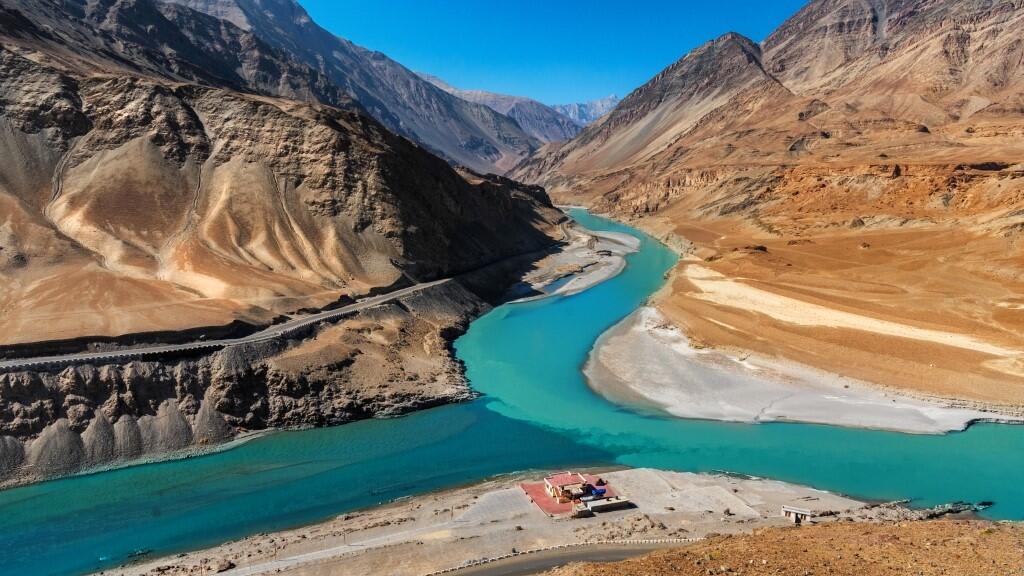
Leh Ladakh, a destination that sits high in the Himalayas, is a land of striking contrasts. From serene monasteries perched on craggy hills to vast deserts framed by snow-capped peaks, this magical region offers a travel experience like no other. A haven for adventurers and nature lovers, Leh Ladakh beckons travelers with its breathtaking landscapes, thrilling activities, and deeply rooted culture. Here’s your complete guide to exploring this mystical destination.
1. Landscapes That Take Your Breath Away
The beauty of Leh Ladakh lies in its otherworldly landscapes, where the harshness of the terrain merges with the tranquility of nature. The first thing that strikes visitors is the sheer vastness and diversity of the landscape.
- Pangong Lake: A Mesmerizing Wonder
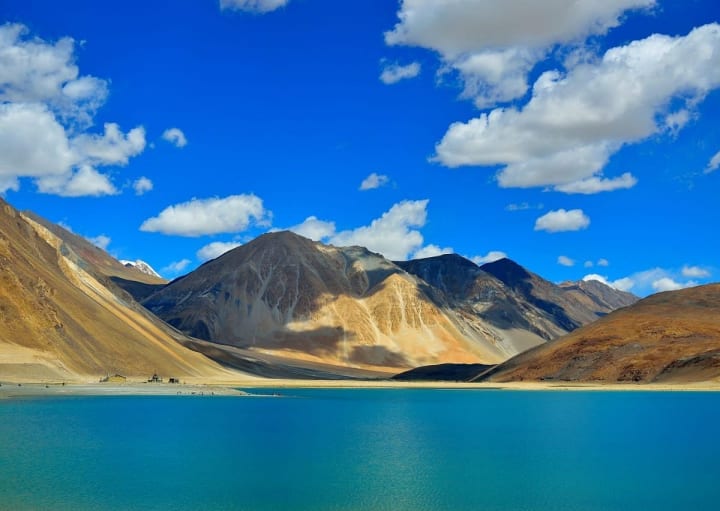
Pangong Tso, located at an altitude of 4,350 meters, is one of the most famous spots in Leh Ladakh. Its ever-changing hues, from turquoise blue to deep green, make it a photographer's paradise. The stillness of the lake, surrounded by the rugged mountain ranges, creates a surreal atmosphere. Pangong is a place to reflect and soak in nature’s artistry.
- Nubra Valley: The Desert in the Mountains
As you drive through the world’s highest motorable pass, Khardung La, you enter Nubra Valley, a cold desert with vast sand dunes and double-humped Bactrian camels. The valley’s stark landscape, juxtaposed against the snow-laden mountains, offers a sense of tranquility and wonder.
2.Zanskar Valley: Remote and Raw Beauty
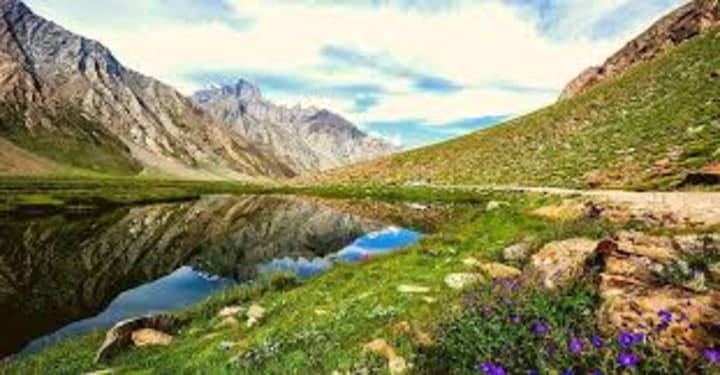
One of the most remote regions of Ladakh, Zanskar Valley offers pristine natural beauty with deep gorges, shimmering rivers, and rugged terrains. During the summer months, travelers can enjoy rafting on the Zanskar River, while the famous Chadar Trek is an icy adventure during the winter.
- Thrilling Adventures for the Brave-Hearted
Ladakh’s rugged terrain is not for the faint-hearted, but for those seeking adrenaline, it is the ultimate playground. Adventure enthusiasts flock to Ladakh for an array of outdoor activities that test both their endurance and spirit.
- Trekking: An Adventure Like No Other
Ladakh is home to some of the most challenging and scenic treks in India. The Markha Valley Trek and Chadar Trek (on the frozen Zanskar River) are the most popular. Markha Valley takes trekkers through ancient villages, monasteries, and high mountain passes, offering panoramic views of the surrounding peaks.
- Mountain Biking: A Ride on the Edge
Cycling through Ladakh’s rugged terrains, especially along the Manali-Leh highway, is an exhilarating experience. Riders brave steep ascents, harsh weather, and rocky roads, but the reward is the unmatched sense of accomplishment and the views of dramatic landscapes.
- Rafting: Conquer the Zanskar River
River rafting in Ladakh, particularly on the Zanskar River, is an adventure worth experiencing. The swift-flowing river, cutting through towering gorges, presents both excitement and a close-up view of Ladakh’s unspoiled beauty.
- Camel Safaris: Journey Through the Desert
For a more relaxed adventure, a camel safari on the sand dunes of Nubra Valley offers a unique experience. The double-humped camels, once used for trade on the ancient Silk Route, now carry travelers across the vast desert, offering stunning views of the surrounding landscape.
3. A Culture Steeped in Spirituality
Leh Ladakh is not only about landscapes and adventures; it is also a land deeply rooted in spirituality. The influence of Tibetan Buddhism is omnipresent, from the fluttering prayer flags to the centuries-old monasteries.
- Monasteries: The Spiritual Heart of Ladakh
Ladakh is dotted with ancient monasteries that serve as centers of Buddhist culture and learning. Hemis Monastery, the largest in Ladakh, is known for its vibrant festivals and rich history. Thiksey Monastery, often referred to as a mini-Potala Palace, offers a panoramic view of the Indus Valley and houses an impressive statue of Maitreya Buddha.
Other notable monasteries include Diskit Monastery in Nubra Valley and Alchi Monastery, one of the oldest in Ladakh, known for its intricate wall paintings. These spiritual centers offer visitors a peaceful retreat, where the chants of monks and the sound of prayer wheels create an ambiance of serenity.
- Leh Palace: A Glimpse into History
The 17th-century Leh Palace, perched atop a hill overlooking the town of Leh, is a symbol of the region’s royal heritage. The palace, though now in ruins, offers a fascinating insight into Ladakh’s past and provides stunning views of the surrounding mountains and the town below.
- Local Festivals: Celebrating Life in Ladakh
The festivals of Ladakh are colorful and vibrant, reflecting the joy and spirituality of its people. The Hemis Festival, celebrated in June, is one of the most famous and attracts travelers from around the world. The festival features masked dances, music, and rituals that pay homage to Guru Padmasambhava, the founder of Tibetan Buddhism.
The Losar Festival, marking the Tibetan New Year, is another important celebration filled with traditional music, dance, and feasts, providing a glimpse into the rich cultural heritage of Ladakh.
4. Practical Travel Tips for Leh Ladakh
Best Time to Visit:
The best time to visit Leh Ladakh is from May to September when the weather is pleasant, and the roads are accessible. This is also the peak season for adventure activities and sightseeing.
How to Reach:
By Air: Leh has its own airport, Kushok Bakula Rimpochee Airport, which is well-connected to major cities like Delhi, Mumbai, and Srinagar.
By Road: The Manali-Leh and Srinagar-Leh highways are popular routes for road trips. Both routes are open from June to September, offering stunning views of the region.
Acclimatization:
Since Ladakh is at a high altitude, travelers should give themselves time to acclimatize to avoid altitude sickness. It’s recommended to rest for a day or two upon arrival before engaging in any strenuous activities.
Permits:
Foreign tourists need to obtain an Inner Line Permit to visit restricted areas such as Nubra Valley, Pangong Lake, and Tso Moriri. Permits can be arranged in Leh through travel agencies or online.
Leh Ladakh is a mystical land where nature and culture come together in perfect harmony. Whether you are seeking adventure, peace, or simply a break from the ordinary, this destination offers it all. From the crystal-clear lakes to the ancient monasteries and thrilling mountain adventures, Leh Ladakh is truly a journey beyond the ordinary.
About the Creator
Keep reading
More stories from krishma verma and writers in Journal and other communities.
Explore the Best Attractions in Spiti Valley with This Complete Guide to Its Most Iconic Locations and Hidden Gems
Nestled in the Himalayas, Spiti Valley is a remote, stunning region known for its dramatic landscapes, ancient monasteries, and untouched beauty. It's a haven for adventurers, culture enthusiasts, and nature lovers alike. Whether you’re seeking serene vistas or thrilling treks, Spiti offers a mix of experiences that are truly unforgettable. In this guide, we’ll explore the Top 10 must-see spots in Spiti Valley and offer practical tips to help plan your adventure.
By krishma vermaabout a year ago in Journal
Which Type of Plastic Yields the Highest Oil Output During Pyrolysis?
Plastic waste is a growing environmental challenge, and one of the promising methods for managing this waste is pyrolysis. Pyrolysis involves heating plastic to high temperatures in the absence of oxygen to break it down into smaller molecules, producing valuable by-products such as oil, gas, and solid residues. However, not all plastics yield the same amount of oil during the pyrolysis process.
By Bestonpyrolysis7 days ago in Journal
The Duelist
The rays of a dying red sun flashed against the onrushing blade. The grey beards say the key to dueling lies in size, speed, reach, righteous fury, whatever the person in front of them pays them to say. Matteo knew better than any it was none of these and had an undefeated record on these sands to prove it.
By Matthew J. Fromm4 days ago in Fiction


Comments
There are no comments for this story
Be the first to respond and start the conversation.