
Evolution of Fighter Jets From First Generation to Sixth Generation
How Technology, Strategy, Air Combat Have Shaped Modern Fighter Aircraft

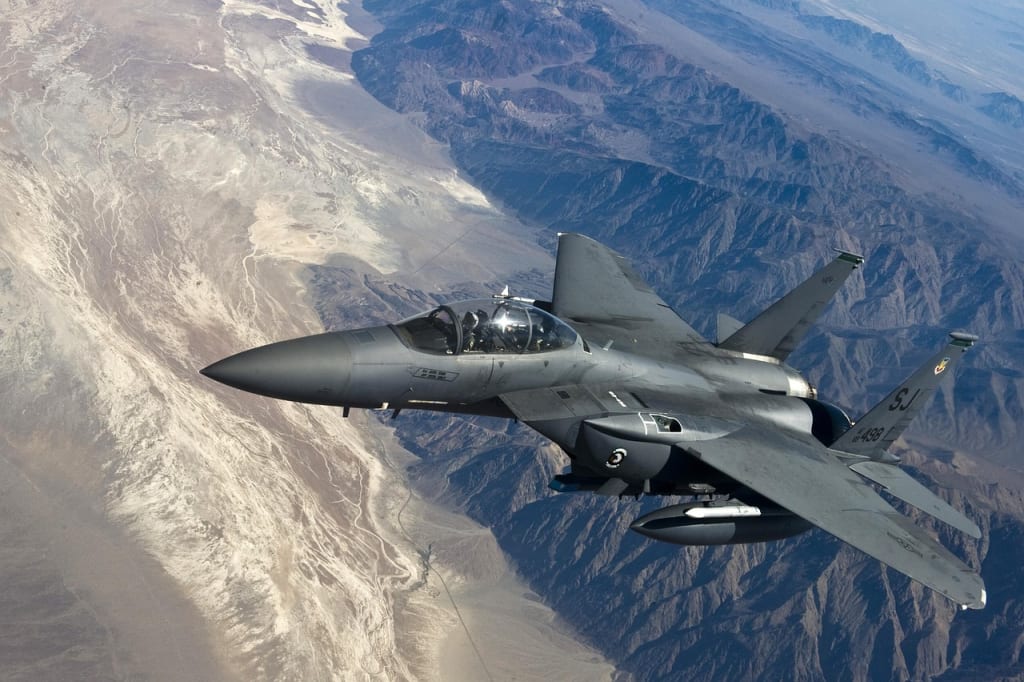
Fighter jets have evolved from basic jet-powered aircraft into highly advanced combat systems that dominate modern air warfare. Each generation represents a major step forward in technology, combat strategy, and aircraft design. Understanding this evolution helps explain how air forces maintain superiority and prepare for future conflicts.
Introduction to Fighter Jet Generations
What Defines a Fighter Jet Generation?
A fighter jet generation is defined by significant technological shifts rather than a specific timeline. These shifts include aircraft design, engine performance, avionics, weapons integration, and combat philosophy. When several of these elements advance together, a new generation of fighter aircraft emerges.
Why Fighter Jet Generations Matter
Fighter jet generations reveal how air combat adapts to changing threats and technologies. They also explain why some aircraft remain effective for decades while others are quickly replaced as warfare evolves.
First-Generation Fighter Jets (1940s–1950s)
The first generation marked the transition from propeller-driven fighters to jet-powered aircraft. Although faster than earlier designs, these jets still relied heavily on visual combat and simple tactics.
Common characteristics included:
- Straight-wing aircraft designs.
- Early jet engines with limited efficiency.
- Gun-based weapons with no guided missiles.
These aircraft lacked radar and had limited range, making close-range dogfighting the primary form of engagement.
Second-Generation Fighter Jets (1950s–1960s)
Second-generation fighters emerged during the early Cold War, when speed and interception capability became critical. Swept wings and afterburning engines allowed aircraft to achieve sustained supersonic flight.
This generation introduced early radar systems and guided missiles, shifting air combat toward high-speed interception of enemy bombers. However, early missile reliability issues meant pilot skill remained essential.
Third-Generation Fighter Jets (1960s–1970s)
Combat experience showed that speed alone was not enough. Third-generation fighters were designed for flexibility, allowing them to perform air-to-air combat, ground attack, and reconnaissance missions.
Improved avionics supported beyond-visual-range engagements, yet real-world conflicts demonstrated that maneuverability and pilot training were still decisive factors in combat effectiveness.
Fourth-Generation Fighter Jets (1970s–1990s)
Fourth-generation fighters emphasized agility, situational awareness, and pilot control. Advances in aerodynamics and materials enabled superior maneuverability in close-range combat.
Key improvements included:
- High maneuverability for effective dogfighting.
- Fly-by-wire flight control systems.
- Integrated radar and weapons systems.
These features made fourth-generation fighters versatile and capable across a wide range of missions.
Fourth-Generation Plus (4.5 Generation) Fighter Jets
Fourth-generation plus fighters are modernized platforms that incorporate advanced technology without full stealth designs. These aircraft improved survivability, detection range, and operational awareness.
Major enhancements include:
- AESA radar for superior tracking and targeting.
- Advanced electronic warfare and countermeasures.
- Network-centric data sharing capabilities.
At this stage, aircraft reliability also depends on precision-engineered components used in flight and control systems, with suppliers such as RBC Bearings supporting performance in demanding operating environments.
Fifth-Generation Fighter Jets (2000s–Present)
Fifth-generation fighters introduced stealth as a core design principle. Their shape, materials, and internal weapons bays significantly reduce radar and sensor detection. These aircraft rely on sensor fusion, combining data from multiple sources into a single, clear display for the pilot, while also offering sustained supersonic flight with improved fuel efficiency.
Strategic defense assessments published by RAND Corporation highlight how these combined capabilities have reshaped modern air dominance by improving survivability, situational awareness, and mission effectiveness.
Sixth-Generation Fighter Jets (Future Combat Systems)
Sixth-generation fighter jets are still under development, but their goals are well defined. These aircraft are expected to operate as part of a connected combat ecosystem rather than as standalone platforms.
Planned capabilities commonly include:
- Artificial intelligence–assisted decision-making.
- Manned unmanned teaming with autonomous drones.
- Next-generation weapons and defensive systems.
These advancements aim to enhance combat effectiveness while reducing risk to pilots.
Key Technological Trends Across Generations
Engines and Propulsion
Jet engine technology has evolved to deliver greater power, efficiency, and reliability. Research and testing conducted by NASA have contributed to advancements in propulsion efficiency, thermal management, and materials used in high-performance aircraft engines.
Weapons and Sensors
Weapons systems have become more precise and capable of engaging targets at longer ranges. Advanced sensors enable earlier threat detection and faster response times in complex air combat environments.
Electronic Warfare and Cyber Protection
Modern fighters rely on electronic warfare to disrupt enemy systems while protecting their own networks and data links from interference and cyber threats.
Conclusion: The Future of Air Combat
The evolution of fighter jets reflects a continuous effort to gain speed, awareness, and control in the air. Each generation builds on lessons learned from combat experience and technological progress.
As air combat continues to evolve, future fighter aircraft will increasingly focus on automation, connectivity, and intelligent systems, shaping the next era of military aviation.
About the Creator
Beckett Dowhan
Where aviation standards meet real-world sourcing NSN components, FSG/FSC systems, and aerospace-grade fasteners explained clearly.
Keep reading
More stories from Beckett Dowhan and writers in Journal and other communities.
Thermal Management Challenges in Aerospace Electronics
High above the Earth, where temperatures swing rapidly and air pressure drops, a modern aircraft relies on thousands of electronic components working flawlessly together. Avionics systems process navigation data, control flight surfaces, manage communications, and monitor aircraft health all in real time. Yet behind this technological precision lies a constant, invisible threat: heat.
By Beckett Dowhanabout 18 hours ago in Journal
The Quiet Link Between Evening Light and Restless Sleep
For a long time, I believed my restless sleep was caused by what happened in my head. Too much thinking. Too much stress. Too many unfinished thoughts that followed me into the night. I tried calming routines, earlier bedtimes, and stricter boundaries around work. Some nights improved. Many did not.
By illumipurea day ago in Journal




Comments
There are no comments for this story
Be the first to respond and start the conversation.