
Everyday foods that are surprisingly high in antioxidants, according to Harvard
They contribute to reducing the risk of cardiovascular and inflammatory diseases if incorporated into a diet based on fresh and varied products

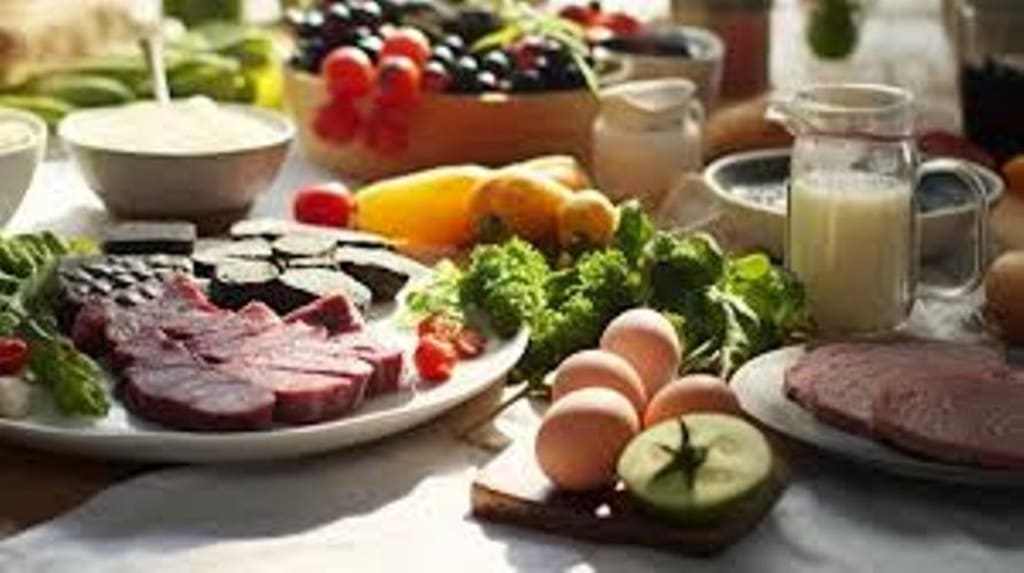
Various foods present in our daily lives provide beneficial compounds that protect the body from inflammation and help prevent chronic diseases. International specialists and prestigious universities emphasize that a varied diet based on fresh ingredients is essential for preserving health and boosting the body's antioxidant defenses.
The importance of the antioxidants present in these products has generated interest both in the scientific community and among those who wish to improve their eating habits. The experts' main recommendation is clear: the best source of antioxidants is a varied diet based on fresh foods, not supplements. This is according to a Verywell Health report, which details the foods richest in antioxidants and warnings about their consumption.
Foods with the highest concentration of antioxidants
Blackberries, beans, apples, nuts, dark chocolate, and green leafy vegetables stand out among the foods with the highest antioxidant content, according to Verywell Health. Furthermore, this information is supported by Harvard University, which agrees in emphasizing the value of these foods for their antioxidant power and positive impact on health.
Food Highlights and What Harvard Says
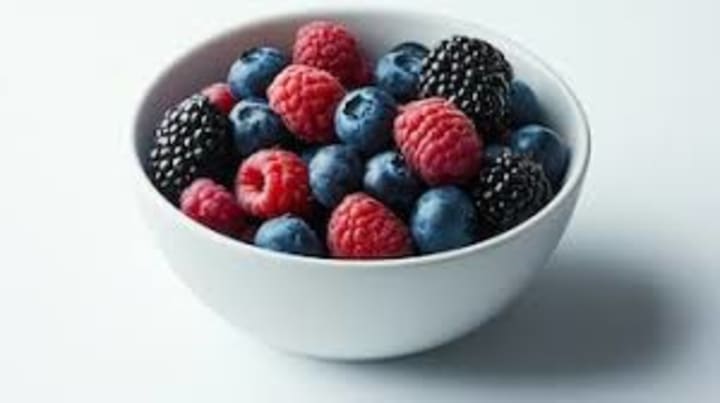
Blackberries (along with blueberries, raspberries, and strawberries): Both sources acknowledge that blackberries contain vitamins A, C, and E, in addition to a high concentration of anthocyanins, compounds that Harvard identifies as cellular protectors against oxidative damage and allies in reducing the risk of heart disease.
Beans (especially small red, kidney, and pinto): The United States Department of Agriculture and Harvard emphasize that beans provide antioxidants, fiber, and plant proteins, which promote metabolic and cardiovascular health.
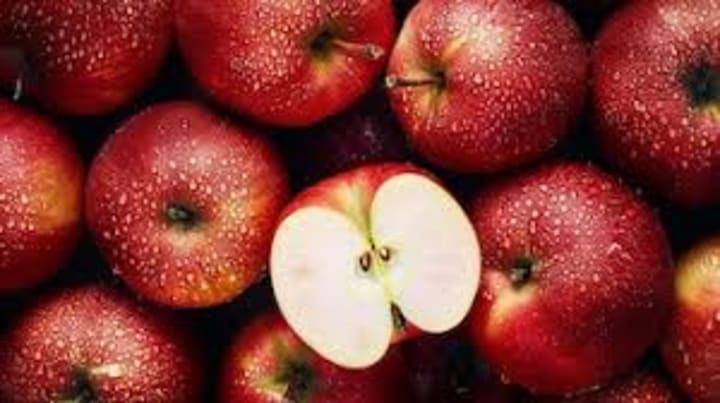
Apples: Verywell Health mentions the flavonoids and phenolic compounds distributed in both the flesh and the skin. For Harvard, apples stand out for their antioxidant and anti-inflammatory properties, especially when eaten whole.
Nuts: Both Verywell Health and Harvard emphasize that nuts, especially walnuts, provide polyphenols and catechins, which help reduce inflammation and LDL cholesterol, which is essential for preventing heart disease.
Dark chocolate: Its rich cocoa content provides catechins and flavonoids. Harvard links it to improvements in heart health when consumed in moderation and with a high percentage of cocoa.
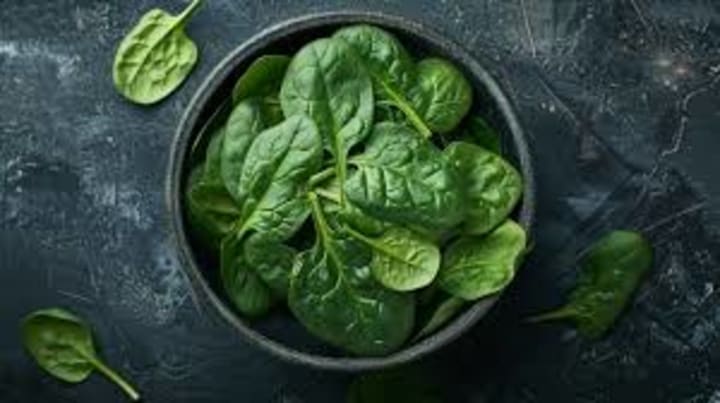
Leafy green vegetables (spinach, cabbage, and chard): Both Verywell Health and Harvard agree on their content of vitamins A, C, E, and carotenoids, recommending their regular inclusion in the diet for the prevention of chronic diseases.
It's also recommended to incorporate cranberries, plums, sweet cherries, and potatoes, recognized by both sources for their high antioxidant levels. In the beverage group, Harvard supports the consumption of green tea, black tea, natural juices, and coffee as healthy ways to increase antioxidant intake, always prioritizing options without added sugar.
Proven Health Benefits
Antioxidants stabilize free radicals and may reduce inflammation, delay aging, reduce the risk of chronic diseases including certain types of cancer, according to Harvard research and strengthen the immune system. Verywell Health emphasizes that antioxidants counteract destructive free radical molecules in cells, thus helping to reduce inflammation and the risk of chronic diseases.
Both Verywell Health and the Harvard School of Public Health advise obtaining antioxidants directly from a varied diet, not through supplements, as scientific evidence does not support the benefits of supplements for disease prevention.

Practical Recommendations:
Choose colorful plates to ensure different types of antioxidants.
Eat nuts and berries as a snack or add them to salads.
Use spices such as turmeric, cinnamon, cumin, ginger, and oregano, recognized by Harvard for their antioxidant capacity.
Precautions Regarding Excess and Supplements
Both sources warn about the risks associated with excessive consumption of antioxidants in supplement form. The National Center for Complementary and Integrative Health and Harvard emphasize that there is insufficient evidence to support antioxidant supplements for preventing heart disease, cancer, or cognitive decline, and that high doses can be harmful.
Information from Verywell Health and Harvard University confirms that the best strategy is to maintain a varied and balanced diet, prioritizing fresh, natural foods as the primary source of antioxidants. This helps protect health and prevent disease effectively and safely.
About the Creator
Omar Rastelli
I'm Argentine, from the northern province of Buenos Aires. I love books, computers, travel, and the friendship of the peoples of the world. I reside in "The Land of Enchantment" New Mexico, USA...
Keep reading
More stories from Omar Rastelli and writers in Journal and other communities.
How to prepare for the AI-related jobs that will emerge in the next decade
39% of key job skills will change significantly by 2030. This transformation, driven by the accelerated advancement of artificial intelligence (AI), is not only changing current jobs but also creating professions that didn't even exist a few years ago.
By Omar Rastelli6 months ago in Journal
Why Prayer is Central to Catholic Life and How to Deepen It
Prayer is at the heart of Catholic life. It is the way believers communicate with God, express their faith, seek guidance, and grow in holiness. Prayer is not merely a ritual or obligation, but a living relationship with God. Understanding why prayer is central to Catholic life and how to deepen it can help believers experience spiritual growth, peace, and a stronger connection to Christ.
By Sound and Spirit4 days ago in Journal



Comments
There are no comments for this story
Be the first to respond and start the conversation.