
Everest Base Camp Trek
A Legendary Journey to the Foot of the World’s Highest Mountain

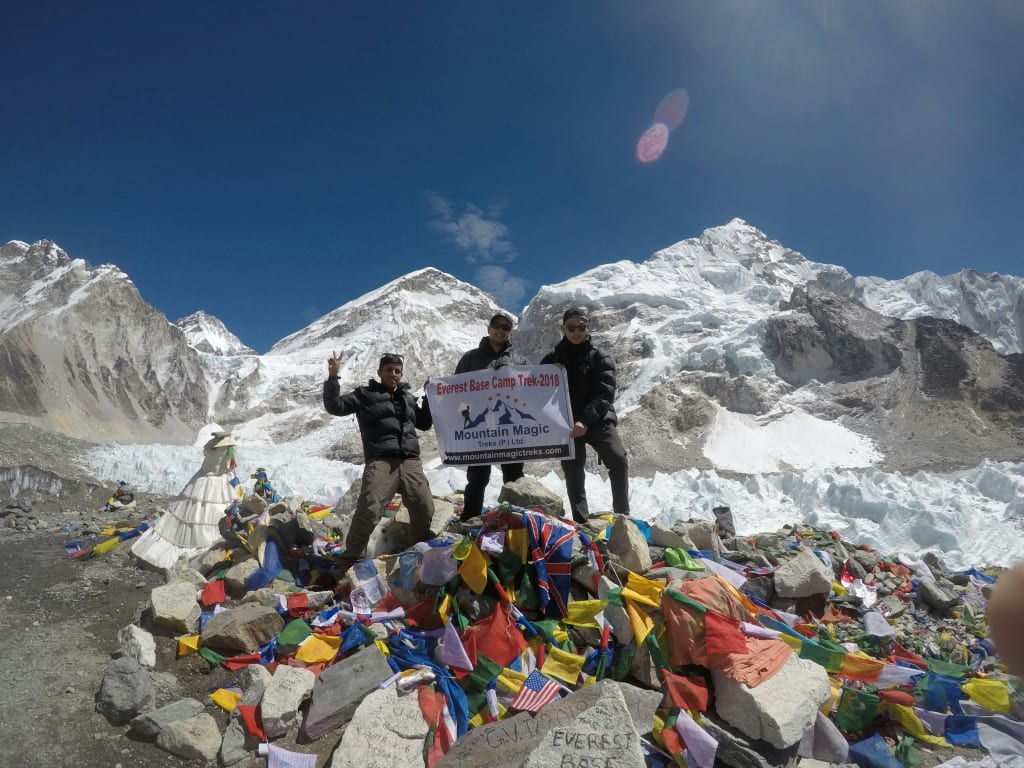
The Everest Base Camp Trek is one of the most iconic trekking experiences in the world. Nestled in the heart of Nepal’s Khumbu region, this trail offers stunning views, vibrant Sherpa culture, and the chance to walk in the footsteps of mountaineering legends. While not as extreme as the climbing of Mount Everest, the trek to base camp at 5,364 meters offers its own set of thrilling adventures and challenges that make it a dream journey for trekkers from around the globe.
The Starting Point: From Kathmandu to Lukla
The journey to Everest Base Camp typically begins in Kathmandu, Nepal’s bustling capital city. From here, trekkers take a short yet unforgettable flight to Lukla, a small mountain airstrip perched high in the Himalayas. The flight itself is an adventure, offering dramatic views of steep valleys and snow-covered peaks. Upon arrival in Lukla, the real trekking begins, usually heading first toward the village of Phakding.
The Trail through the Khumbu Valley
The trail follows the Dudh Koshi River, winding through forests, suspension bridges, and beautiful Sherpa villages. As trekkers move from Phakding to Namche Bazaar, they get their first glimpses of the towering peaks that define the Khumbu region. Namche is the economic and cultural hub of the area and a popular acclimatization stop. Trekkers usually spend two nights here, taking day hikes to higher elevations, such as the viewpoint at the Everest View Hotel.
From Namche, the trail leads through Tengboche, known for its ancient monastery and striking views of Ama Dablam. The scenery becomes more alpine and stark as trekkers ascend through Dingboche and Lobuche, with every step bringing them closer to the base of the world’s highest mountain.
Arrival at Everest Base Camp
Reaching Everest Base Camp is the highlight of the trek. After days of walking, adjusting to altitude, and soaking in the beauty of the Himalayas, trekkers arrive at the historic spot where climbers prepare for the climbing of Mount Everest. The camp itself is not a single structure but a seasonal tent city that comes alive during the spring climbing season. While the summit of Everest is not visible from base camp, the sense of achievement and the views of the surrounding peaks make it an unforgettable experience.
Most trekkers also take a pre-dawn hike up to Kala Patthar (5,545 meters), the best viewpoint for panoramic views of Mount Everest, Nuptse, and other towering giants. Watching the sun rise over Everest from this spot is often described as one of the most magical moments of the entire journey.
Culture and People Along the Way
One of the most enriching parts of the Everest Base Camp Trek is the opportunity to connect with the local Sherpa culture. The trail is dotted with traditional villages, Buddhist monasteries, prayer wheels, and mani stones carved with sacred texts. The warm hospitality of the local people adds a deeply human dimension to the trek, offering insight into life in one of the most remote regions of the world.
Physical Demands and Acclimatization
Although the Everest Base Camp Trek does not require technical climbing skills, it is still a physically demanding journey. Trekkers walk 5 to 7 hours a day for nearly two weeks, often on rocky and steep terrain. The thin air at high altitude can lead to symptoms of Acute Mountain Sickness (AMS), so proper acclimatization is crucial. Rest days, hydration, and gradual elevation gain help most people adapt safely.
Weather and Best Time to Trek
The best seasons for the Everest Base Camp Trek are spring (March to May) and autumn (September to November). During these months, the weather is generally clear, and the mountain views are at their best. Winter treks are possible but come with extreme cold and potential snow-covered trails. The monsoon season (June to August) brings heavy rain and poor visibility, making trekking conditions challenging.
Packing and Preparation
Proper preparation is essential for a successful trek. Warm clothing, layered outfits, quality hiking boots, and a reliable sleeping bag are must-haves. Trekkers should also carry a first aid kit, water purification tablets, and energy snacks. While porters and guides are available and highly recommended, especially for first-time trekkers, many still prefer to carry their own gear.
Why Choose the Everest Base Camp Trek?
The Everest Base Camp Trek offers more than just a scenic walk through the mountains. It’s a journey filled with personal growth, discovery, and the incredible feeling of standing at the base of the highest point on Earth. Unlike the climbing of Mount Everest, which is reserved for highly trained mountaineers, the trek to base camp is accessible to many with proper fitness, preparation, and determination.
Each step on this trail is a tribute to adventure, resilience, and the natural beauty of the Himalayas. Whether you’re drawn by the mountains, the culture, or the sheer thrill of the journey, the Everest Base Camp Trek promises memories that will last a lifetime.
Final Thoughts
The Everest Base Camp Trek is more than a hiking route—it’s a once-in-a-lifetime experience. From the dramatic flight into Lukla to the breathtaking views from Kala Patthar, every moment on this trail carries a sense of awe and wonder. With the right mindset, preparation, and respect for the mountains, anyone with a spirit for adventure can complete this legendary trek and return with stories of courage, connection, and the majesty of the Himalayas.
About the Creator
Keep reading
More stories from Olivia Flores and writers in Journal and other communities.
Walk to the Heart of the Himalayas: Annapurna Base Camp Trekking
High in the heart of Nepal, surrounded by snow-covered peaks and ancient forests, there’s a trail that leads to one of the most beautiful places on Earth—Annapurna Base Camp. This journey isn’t just a trek. It’s a life-changing adventure that lets you walk right into the arms of the Himalayas.
By Olivia Flores9 months ago in Journal
The Quiet Link Between Evening Light and Restless Sleep
For a long time, I believed my restless sleep was caused by what happened in my head. Too much thinking. Too much stress. Too many unfinished thoughts that followed me into the night. I tried calming routines, earlier bedtimes, and stricter boundaries around work. Some nights improved. Many did not.
By illumipure5 days ago in Journal
Wild Card Weekend Recap: What Happens Now?
I think I figured out why I love Wild Card Weekend so much. It's because it's the first playoff anything of the calendar year. The NFL season starts in the fall, and once upon a time, the champion was crowned either on or slightly before New Year's. The evolution of the NFL schedule has resulted in the playoffs starting just into the New Year, and currently, the final week of the season falls on the first weekend of the New Year, with Wild Card Weekend coming a week after that. So yes, chronologically, the NFL's Wild Card Weekend serves as the first playoff anything of the calendar year.
By Clyde E. Dawkins7 days ago in Unbalanced


Comments (1)
Well done